
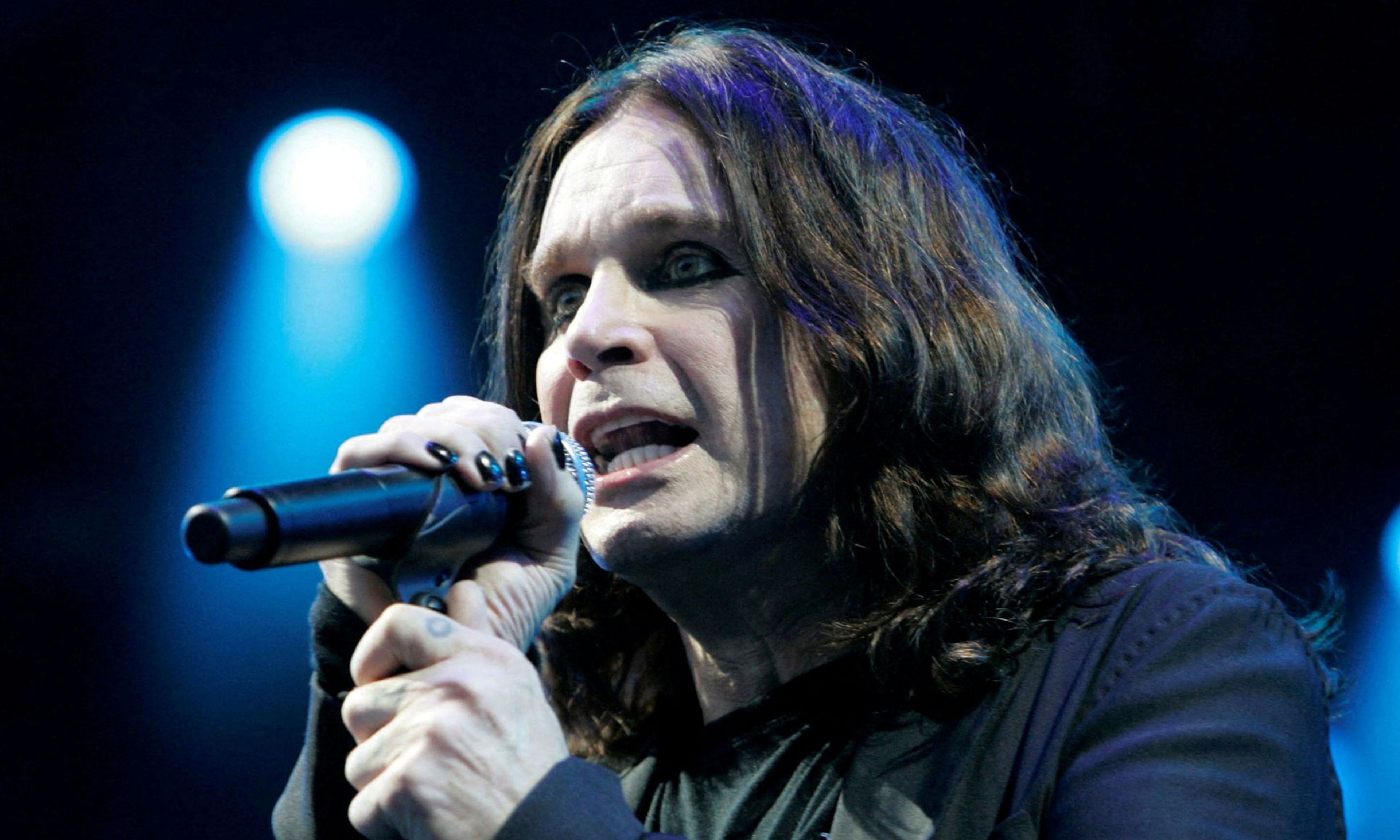
On July 5, the band Black Sabbath played its final-ever show, with a visibly diminished Ozzy Osbourne — suffering from advanced Parkinson’s disease — singing his way through one last nostalgic reunion while seated on a throne. Yesterday, he died at the age of 76. As the old guard of ’60s and ’70s rock stars passes away on a generational level, I sometimes feel gloomy about the loss of the musical heroes of my youth. But then there are other times — like with Dickey Betts, or with Brian Wilson — when my first reflex instead is to raise a glass and pay tribute to an improbably long life. We honestly never thought you’d make it this far, Oz — and we’re glad you did.
This isn’t even the first time I’ve praised Ozzy and Black Sabbath here in the digital pages of National Review, and you have no idea how much that fact pleases me. Sabbath are the canonically acknowledged founders of heavy metal — their early 1970 self-titled debut album revolutionized hard-rock aesthetics even as it horrified both critics and parents alike. The parents and critics both whiffed this time — this band was on to something revolutionary. Built around Tony Iommi’s sludgy, bludgeoning four-fingered guitar riffs — Iommi lost the first knuckle of his fifth in an industrial accident — bassist Geezer Butler’s lyrics, and drummer Bill Ward’s secret jazz predilections, Black Sabbath not only invented heavy metal in its simplest prototypical form, they pioneered its evolution into more progressive realms throughout the rest of the Seventies.




Comments