
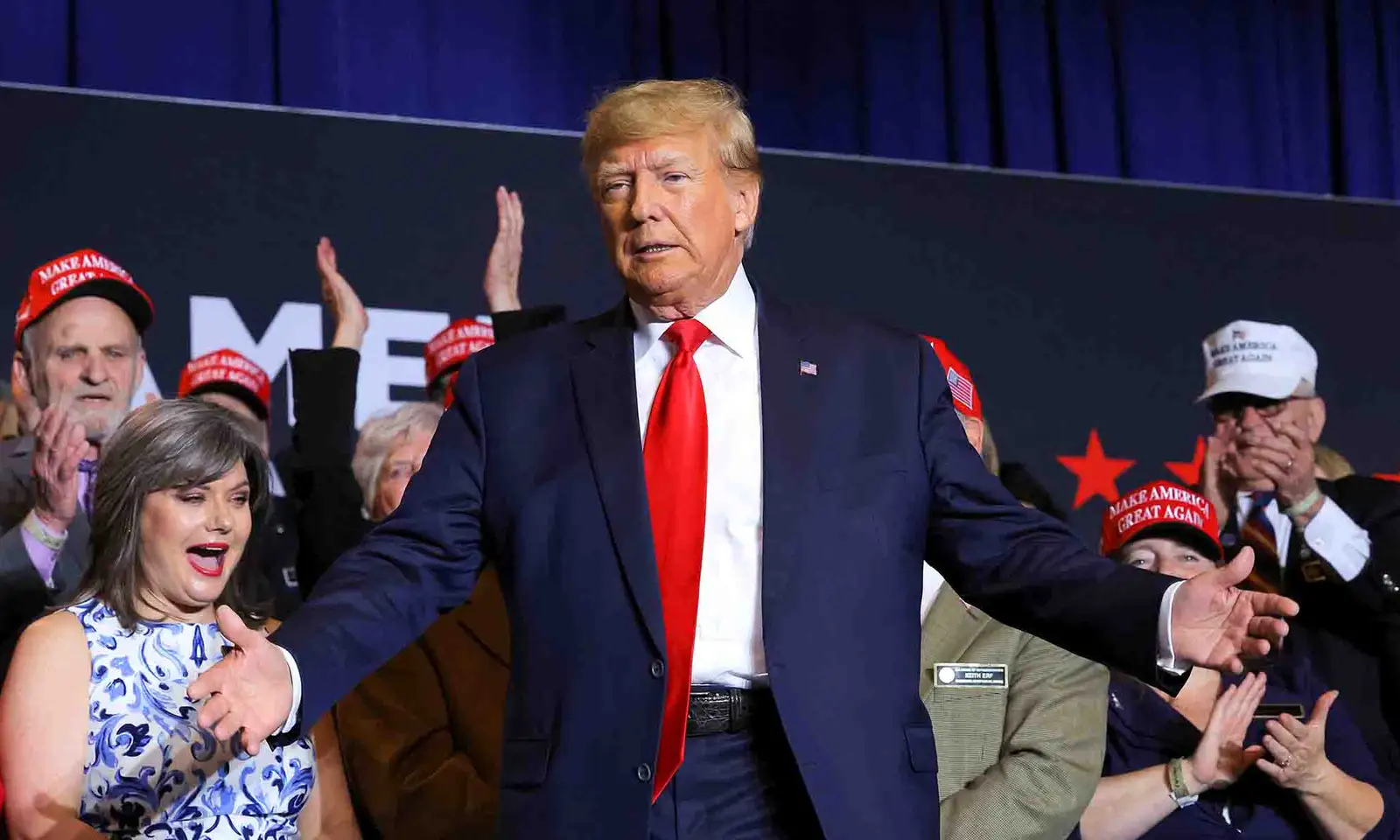
Last week, Ron DeSantis finally announced his long-expected entry into the 2024 presidential race. By the time he’d gotten there, he had been beaten to the punch by Donald Trump, Nikki Haley, Vivek Ramaswamy, Asa Hutchinson, Larry Elder, and Tim Scott. Next week, they will reportedly be joined in the race by former vice president Mike Pence, former Garden State governor Chris Christie . . . and electoral juggernaut Doug Burgum. That brings the total to ten.
With the understanding that many of these candidates will not make it to the Iowa caucuses (and some not even to the debate stage), it is nevertheless clear that Ron DeSantis has failed to clear the field of competitors. This much has been obvious for months now; Trump’s resilience in GOP primary polls ensured it. While we are thankfully being spared the ridiculous 17-person clown car that was the 2016 Republican presidential primary (remember the seriocomic travesty of “undercard debates”?), the sheer number of non-DeSantis entrants in the race suggests something ominous: Most have concluded that Trump is already the odds-on favorite to win the nomination. What they are doing instead is running for second place, either so they can step into the breach should Trump suddenly “fall down a manhole” (i.e., suffer a suddenly incapacitating event), or so they can position themselves for the future.



Comments
On “The Race to Be the Second-to-Last Man Standing”