
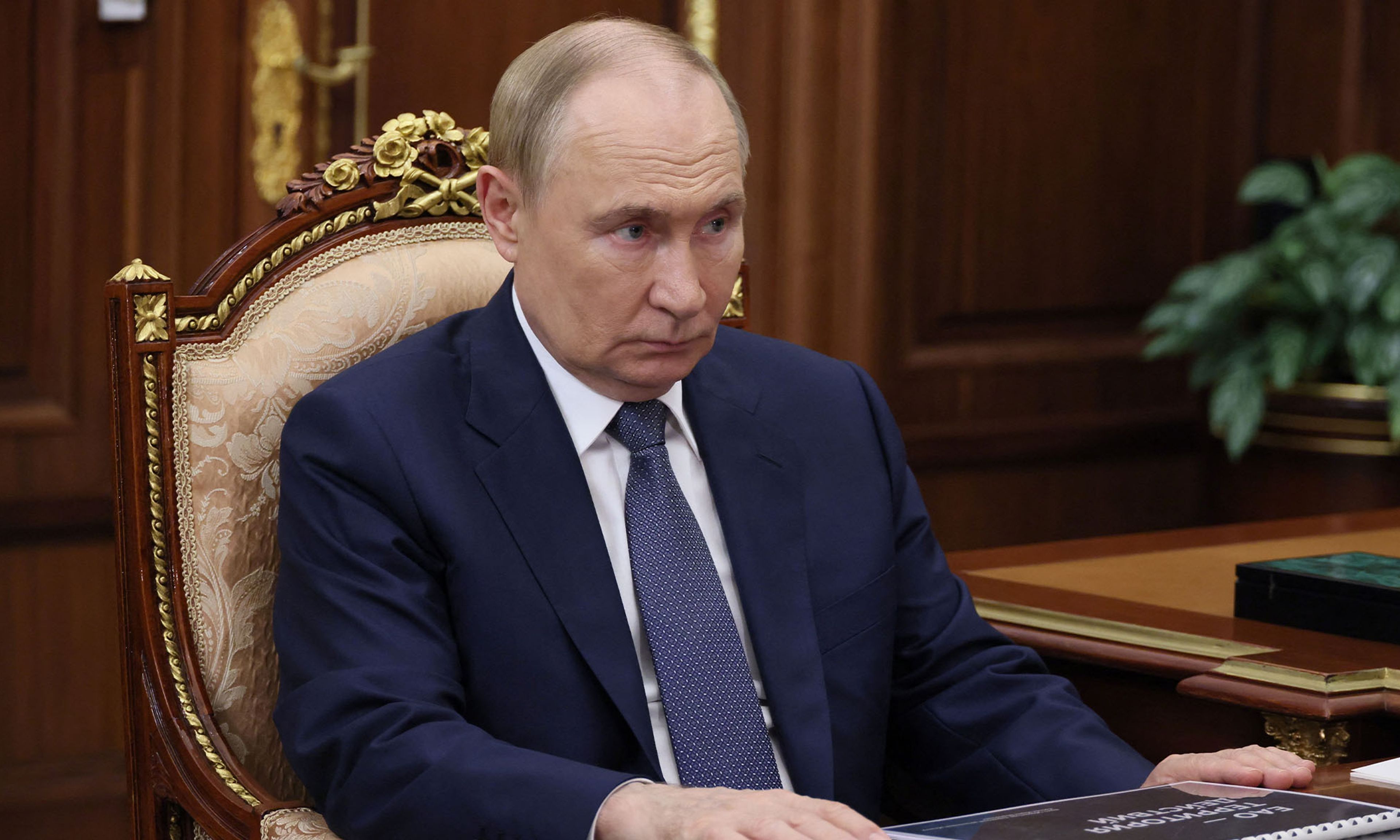
Our editorial on the shuttle-diplomacy happening on the Ukraine issue dwells more on our lack of leverage over Putin, which is difficult to solve given the limited material and moral commitment of the West.
But Putin’s own stated war aims are also in serious tension and work against each other and a resolution of the conflict. The fundamental aim of Putin’s war is Ukraine’s geopolitical alignment, whether it is a frontier for the Western world order in Western institutions like the EU and NATO, or whether it remains more integrated in Russia’s economic, cultural, and political sphere. There are some hard power implications for Russia in this, including the position of its Black Sea fleet in Sevastopol. After the failures of its coercive diplomacy in 2014 and 2022, Russia resorted in each case to a strategy of compellence.


Comments