

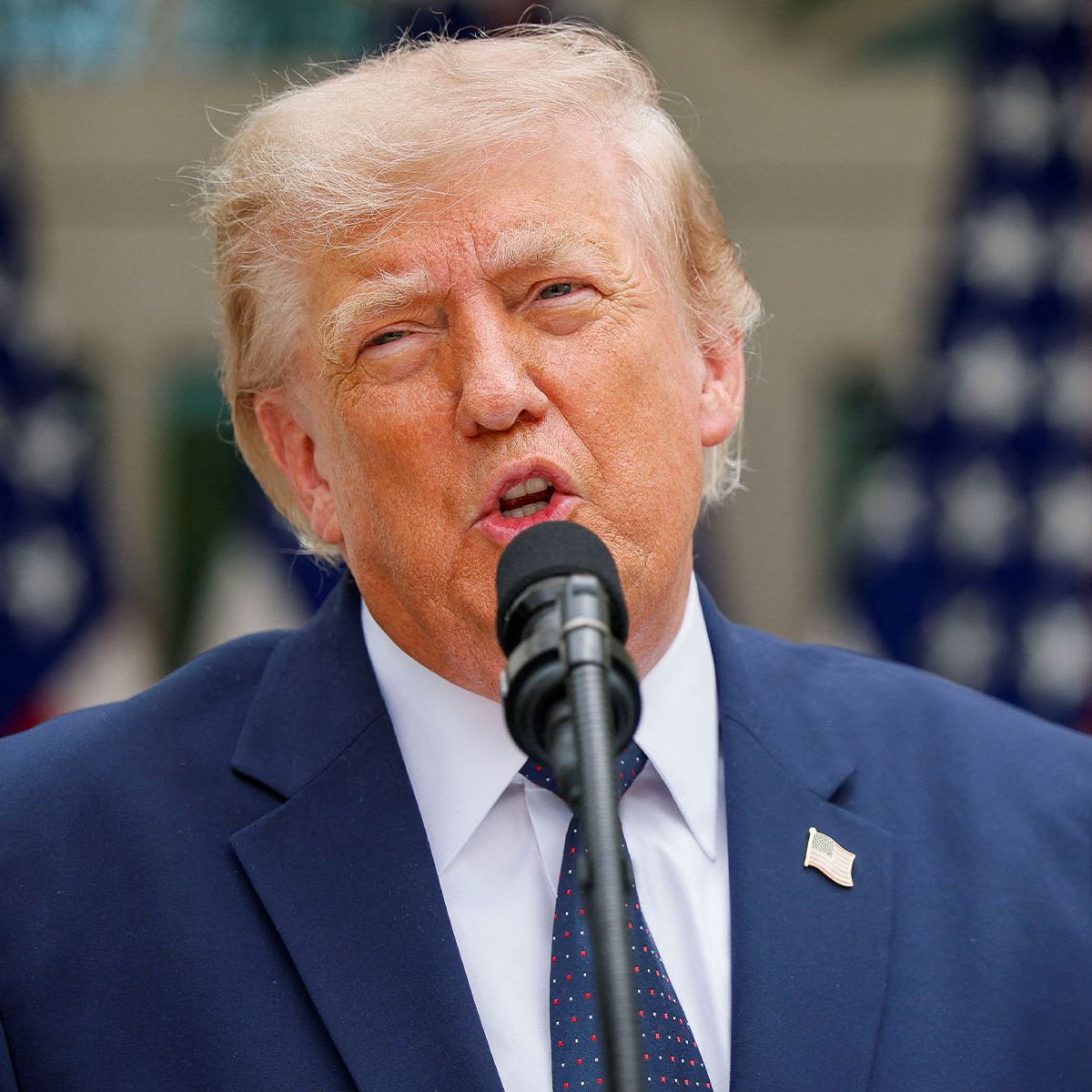
National Public Radio is suing Donald Trump in federal court in D.C. to prevent the Trump administration from defunding NPR. NPR protests loudly when its funding is examined by Congress that public money is only a small part of its financing, yet now, it alleges in court that losing that money “threatens the existence of a public radio system that millions of Americans across the country rely on for vital news and information” because 31 percent of NPR’s revenue comes from licensing fees from local affiliates, who are publicly funded. “The sudden loss of all federal funding,” the complaint declares, “would be catastrophic to NPR” and “without federal funding, NPR would need to shutter or downsize collaborative newsrooms and rural reporting initiatives and, at the same time, also eliminate or scale back critical national and international coverage that serves the entire public radio system and is not replicable at scale on the local level. Loss of all revenue from local public radio stations would dramatically harm NPR’s ability to execute its journalistic mission.” So much for all the years of denials by NPR that it is a public charge.
The complaint’s five causes of action start with a claim that only Congress, not the president, can decide whether to fund it — a separation of powers question that will largely turn on the language of its enabling statute. NPR’s lawyers, led by conservative eminence Miguel Estrada, make the best they can of that argument. There’s also a due process claim, which only comes into play if the court decides that the executive branch can defund NPR but only for cause — after all, if this is a matter within the president’s discretion, there’s no process required. That said, NPR’s argument in this regard is less about a permanent right to funding than about the immediate removal of funding without adequate notice, and there is at least an argument from basic fairness that NPR has entered into contracts in reliance on this year’s funding.



Comments