
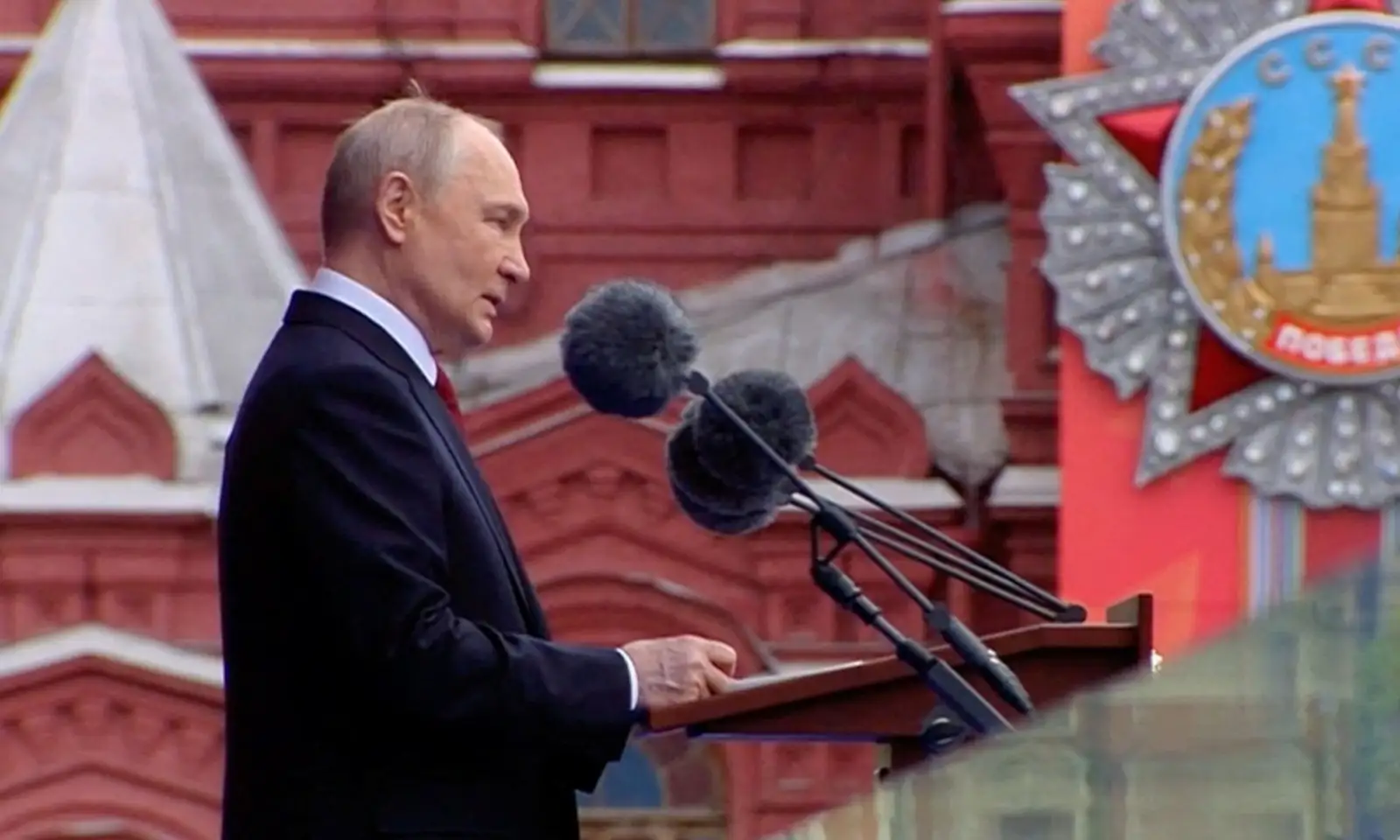
In the war against the Islamic Republic of Iran, the United States is “losing.” In fact, the president may have already “lost” his “disastrous and irrational war” with the theocrats in Tehran. Trump is reportedly chastened by his failures, and the far-reaching consequences that America will suffer as a result of this epochal setback are only beginning to come into view.
At least, that’s what we’re hearing from the highest echelons of American public life. Yet, as military historian John Spencer recently observed, these are subjective appraisals. Wars are not won or lost in the comments section, and victors are not determined by vibes alone. Rather, they should be “judged through military capability, economic endurance, political cohesion, freedom of action, strategic leverage, and the ability to sustain power while degrading an opponent’s.”



Comments
On “This Is What It Looks Like When a Great Power Is Losing a War”