
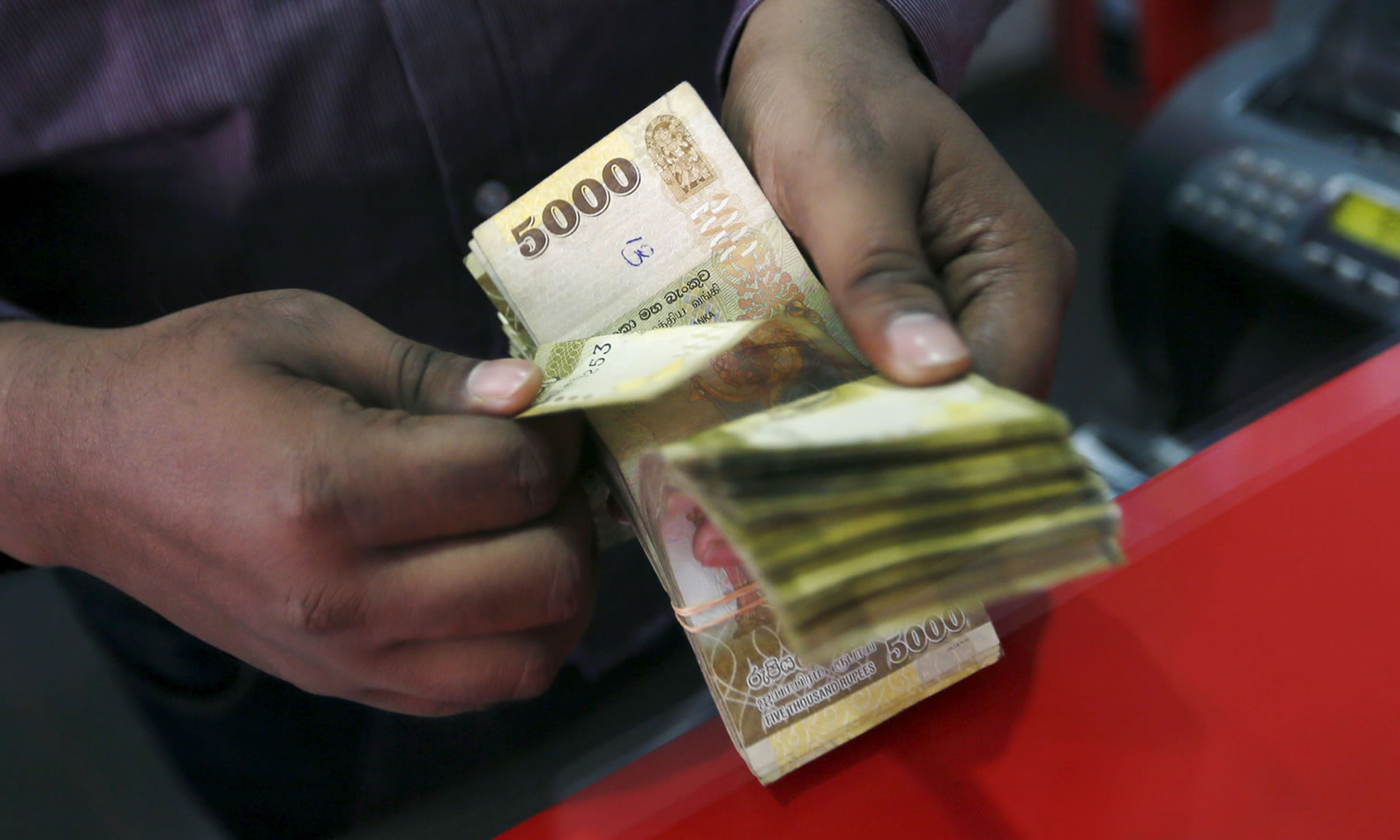
How do countries control inflation? The answer is: very badly. The misunderstanding of money that leads governments and central banks to devalue currency too often means they’re ill-equipped to put the Inflation Genie back in the bottle. History is littered with attempts to end monetary disasters that have failed and frequently made things worse.
This is because policymakers are usually unable, or unwilling, to acknowledge the real reasons why their currency has lost value. Instead, they blame markets: People are spending too much money! Businesses are gouging! The economy is overheating! Do something!
Often, that something is pressuring businesses to lower prices, or getting people to spend less money. These strategies never work.
Steve Hanke writes about Sri Lanka’s ongoing currency crisis:
Sri Lanka, an island nation of 22 million people, is in the grips of an economic meltdown. This slow-motion train wreck first began in November 2019 when Gotabaya Rajapaksa won a decisive victory in the country’s presidential elections. He immediately placed family members into key government positions and suspended Parliament. Then in August 2020, his Sri Lanka Podujana Peramuna party — the Sri Lanka People’s Front — posted a landslide victory. The win gave Rajapaksa the ability to amend the country’s constitution, which he quickly availed himself of. In total control, President Rajapaksa and his brother Mahinda, the prime minister, went on a spending spree that was financed in part by Sri Lanka’s central bank. The results have been economic devastation. The rupee has lost 44 percent of its value since President Rajapaksa took the reins, and inflation, according to my measure, is running at a stunning 74.5 percent per year. Last week, Sri Lanka announced that it was unilaterally suspending payments on its external debt. These economic developments have led to Sri Lankans protesting in the streets and a government in disarray.





Comments