
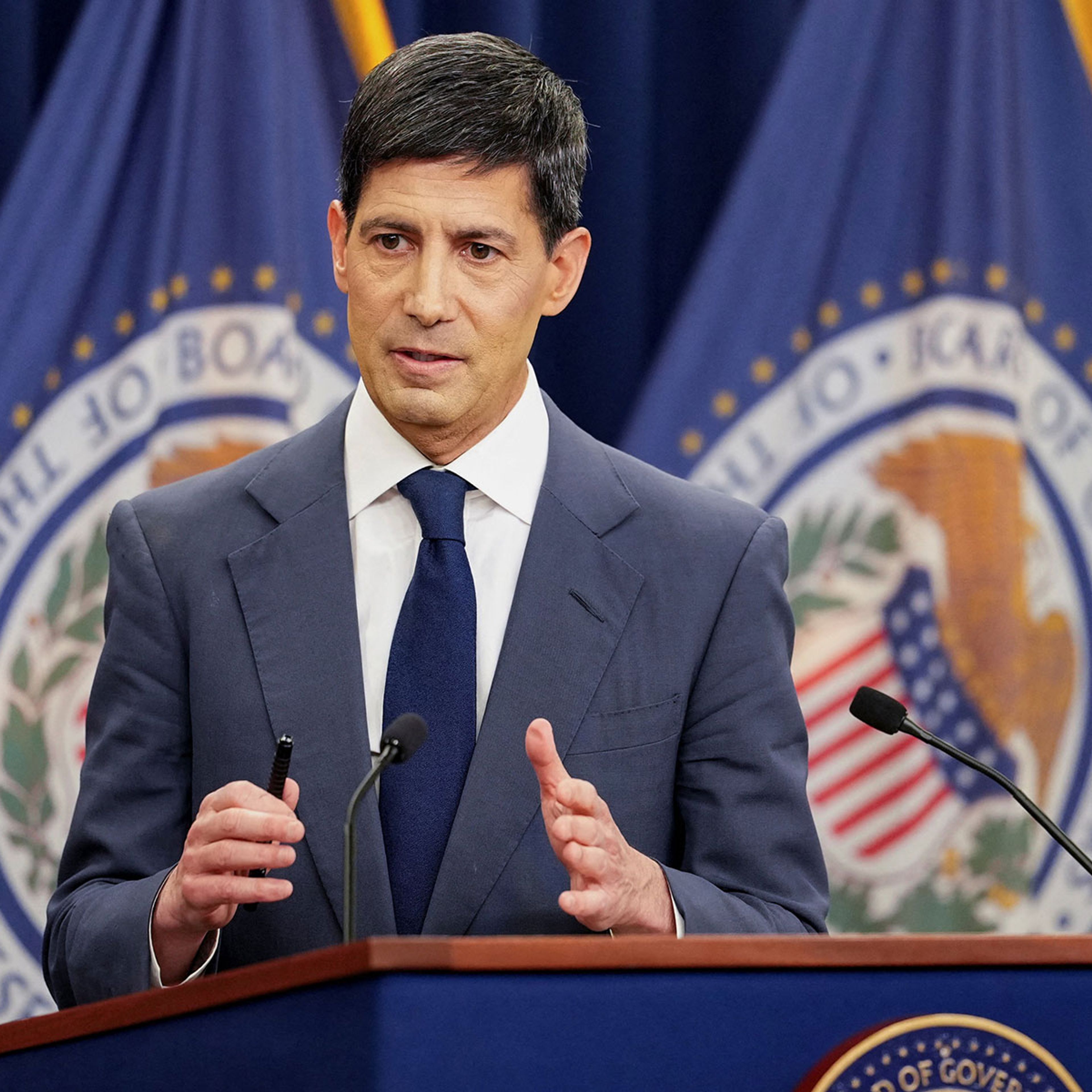
Sure enough, a strong jobs report last week lent support to the argument that the labor market is in such good shape that we cannot be in recession. But this argument ignores the economics of recessions, and the lessons of history. Policy-makers truly believing we are not in recession creates systemic policy risk because the normal recession playbook will be left on the shelf. As the unrecognized recession gets worse, the Fed and the Democrats will keep fiddling while Rome burns.
To be sure, there will be between now and the next election a large number of partisan “recession deniers” who will try to keep the word out of print in order to support Democratic candidates. There is no point trying to reason with such people of course, but at the Fed it also seems that a genuine belief has spread that we are truly not in a recession. That belief is, I believe, based on a simple conceptual error.
Sami Karam writes about the mixed signals from the economy and why these times are so confusing:
If this period feels more chaotic than any in recent memory, it is because many of our previous assumptions are being challenged: that other large powers will exercise restraint in war; that a rules-based order benefits everyone; that open trade raises every country’s standard of living; that democracy is gaining ground; that as a result of all the above the geopolitical risk premium will remain low. These are the foundations upon which the low inflation and bull market of decades was built. Are we now experiencing a brief pause or the start of a major unwind?




Comments