
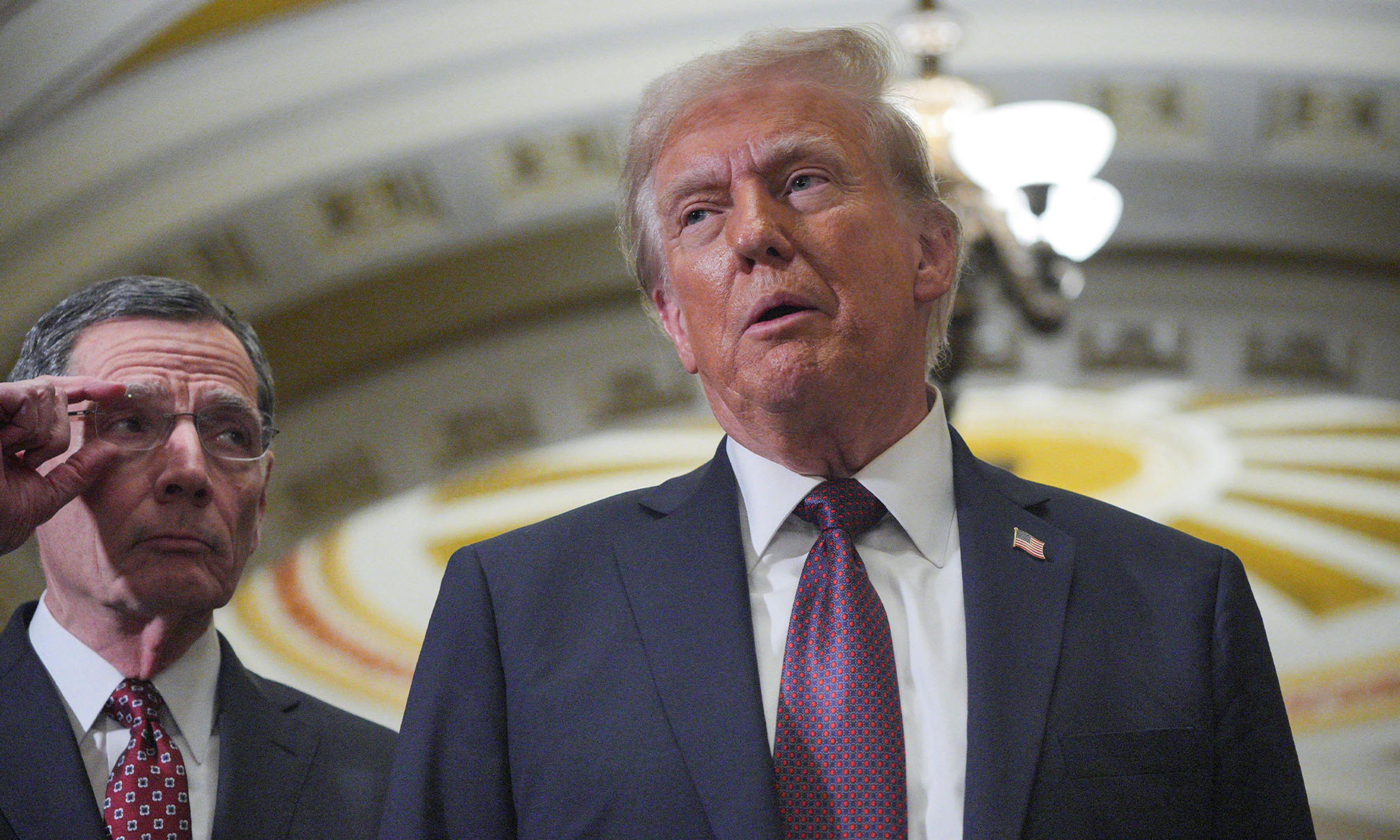
Understanding politics is partly about understanding ideas and policies — their power, their persuasiveness, and their practical effects. It is also partly about understanding people — the personalities of leaders, the sentiment and pulse of voters, and the demographic trends that shape both. But there’s also an indefinable extent to which political events and careers tend to follow certain patterns and trajectories that often repeat themselves across time and place. If I can be forgiven for a little interlude of MacGuffinization of politics, that’s been on my mind as we enter the second Trump term.
There came a point in the 2024 cycle that it began to feel necessary in terms of biographical narrative for Donald Trump to be reelected. He had to be reelected because Trump’s story is an epic drama, and it just doesn’t seem appropriate as myth for a character as large and as flawed as Trump to be brought down by his enemies. As much as Trump’s legal and other woes were partly self-inflicted — like Richard Nixon, he gave his enemies a sword — a defeat in 2024 would have meant that the resistance won. Even to the extent that it was the result of his postelection tantrum in 2020 and its detritus, Trump’s loss would have been the result of his inability to handle defeat.

Comments