
There have been many excellent pieces on how President Trump has handled Iranian provocations in the Middle East. Some of these pieces have been for him, some against. I’d like to focus on a single matter: the idea of proportionality. It is an old friend.
In fact, I once titled an Impromptus column of mine “Our old friend proportionality, &c.” (I really know how to draw in the clicks, don’t I?)
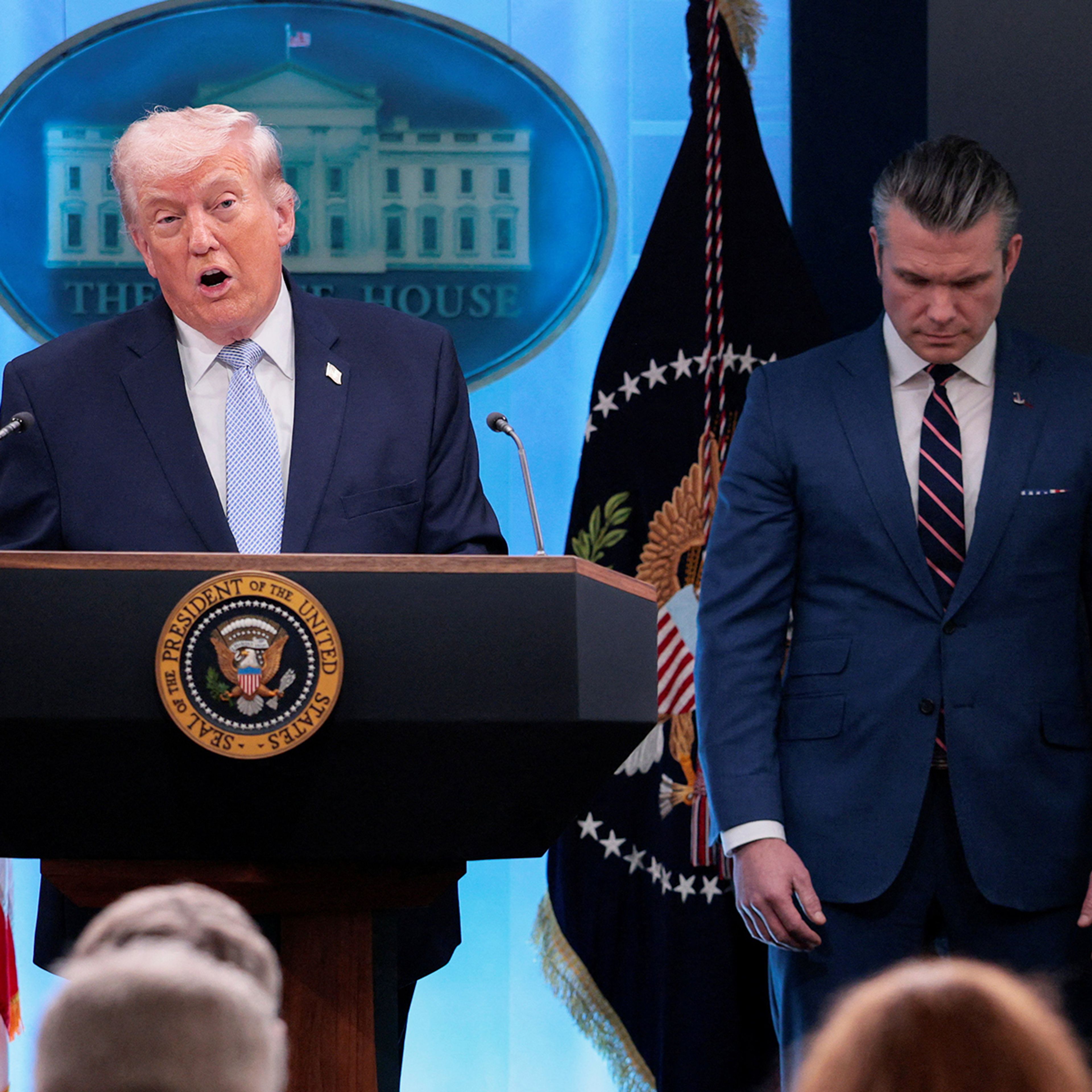
Last week, Trump said that it would not have been “proportionate” to respond to Iran militarily. And a sense of proportion, no doubt, is necessary in these cases. But an eye toward deterrence is important as well.
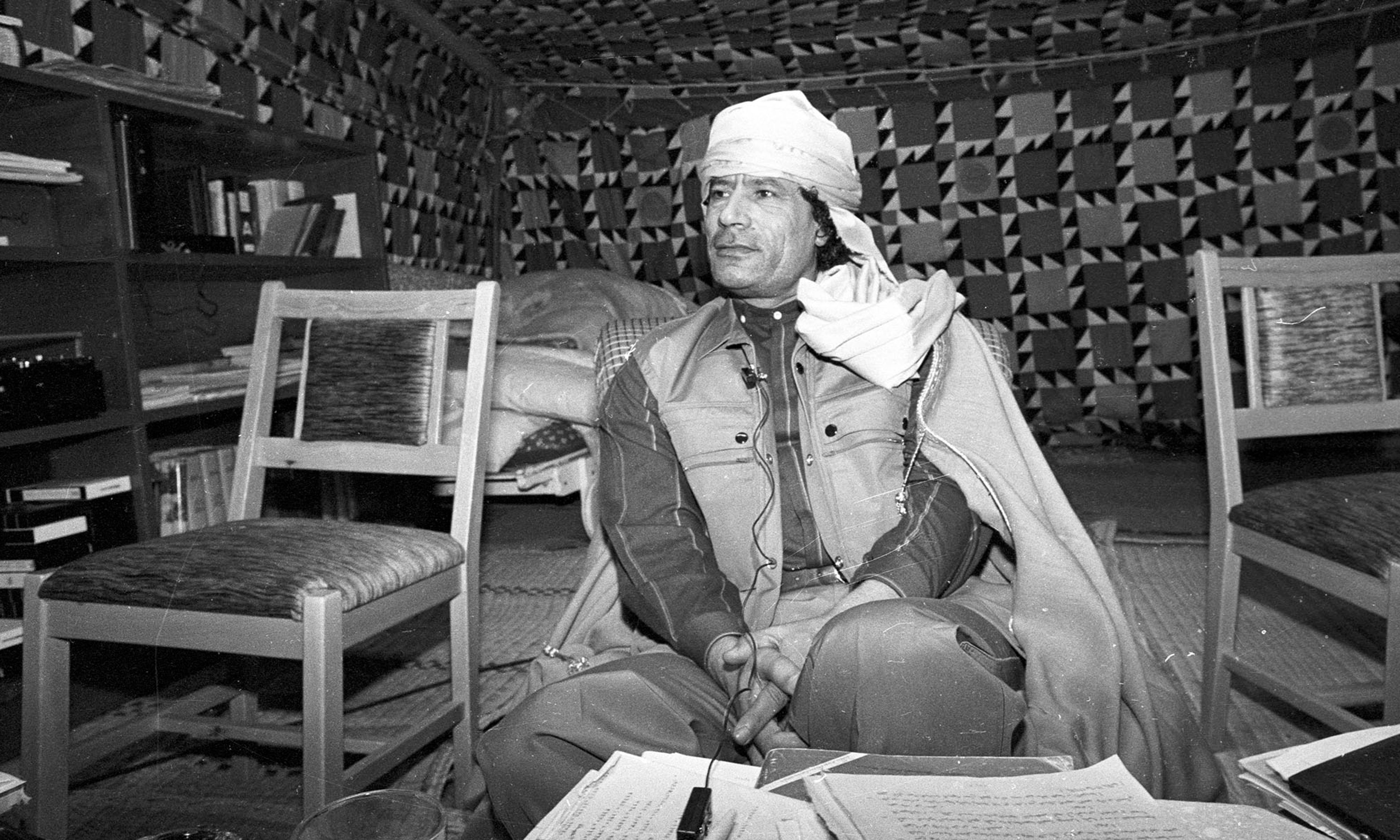
I have a distinct memory of April 15, 1986 — Tax Day. I was in grad school, living in the same dorm as Mike Potemra (who would become an editor here at National Review). We talked about the events of that day both on the day itself and in the years following.
President Reagan launched retaliatory strikes on Qaddafi’s Libya (Tripoli and Benghazi). This was after Qaddafi’s agents had bombed a discotheque in West Berlin — La Belle — known to be frequented by U.S. soldiers. Three people were killed in the West Berlin attack and 229 injured. Two of the dead and 79 of the injured were American.
On television, Mike and I saw Senator John Kerry (later to be a presidential nominee and secretary of state). He was concerned about whether Reagan’s response was “proportionate.”
What should Reagan have done? some of us righties asked. Bomb some European disco, in the hope of killing two Libyans and injuring 79? Even-steven?
Reagan was not merely responding to the West Berlin attack, you see. He was not engaged in tit-for-tat. He was trying to put Qaddafi out of business, or set him back for a long, long time. The merits and the effectiveness of the April 15 strikes, we can debate.
I have often meditated on, and snarked about, the idea of proportionality. I cited that Impromptus headline, above. That was in July 2006, during what Israelis now call the Second Lebanon War and what Lebanese call the July War. Frustrated, peeved, I wrote, “People are saying that Israel’s ‘response’ is ‘disproportionate.’ I would like to know what ‘proportion’ looks like. Cross into Hezbollah territory, kill — what? — eight of theirs, kidnap two? Maybe double those numbers? Ridiculous.”
On another occasion (July 2014), I wrote, “What would a proportional response to Pearl Harbor have been? Arranging for a sneak attack on a Japanese naval base someday?”
In many quarters, President Trump is being applauded for his restraint, vis-à-vis Iran. Everyone loves a man of peace. I wrote an entire book about this, in a sense: Peace, They Say. I spent a lot of time thinking about it. But what best brings about peace or prevents war? What some of us applaud as restraint, others might interpret as a green light: to mess with America and Americans.
Policymakers have to weigh these things. I don’t envy them, honestly. I just sit and type — they have to decide. When it comes to U.S. foreign policy, and our national security, the president is the ultimate “decider,” as George W. Bush once said.
Earlier this week, the current president wrote,
China gets 91% of its Oil from the Straight, Japan 62%, & many other countries likewise. So why are we protecting the shipping lanes for other countries (many years) for zero compensation. All of these countries should be protecting their own ships on what has always been a dangerous journey. We don’t even need to be there in that the U.S. has just become (by far) the largest producer of Energy anywhere in the world!
Noah Rothman, of Commentary magazine, reacted as follows: “The American president expresses his irritation with American naval hegemony and his desire to cede control of critical shipping lanes to America’s peer competitors.”
All of us can understand very, very well the desire to withdraw from the world and its problems. It is, ever and always, a great dream. But the problem is this, adapting a line attributed to Trotsky: You may not be interested in the world, but the world is interested in you (all too). You may want to withdraw from the world, but the world may come knocking at your door, in the nastiest ways.
Some years ago, I was talking with an American foreign-policy expert about the complaints of many abroad: complaints about American leadership and primacy in the world. The expert answered, memorably, “They’ll miss us when we’re gone.” So true. Also true, I think, is that we will miss us when (or if) we’re gone.



Comments