
Suzy Khimm has a nice, counterintuitive piece over at Mother Jones on which groups are most taking advantage of the Citizens United ruling (hint: It’s not “big oil, Wall Street banks, health insurance companies,” and the other corporate bogeymen Barack Obama warned us about):
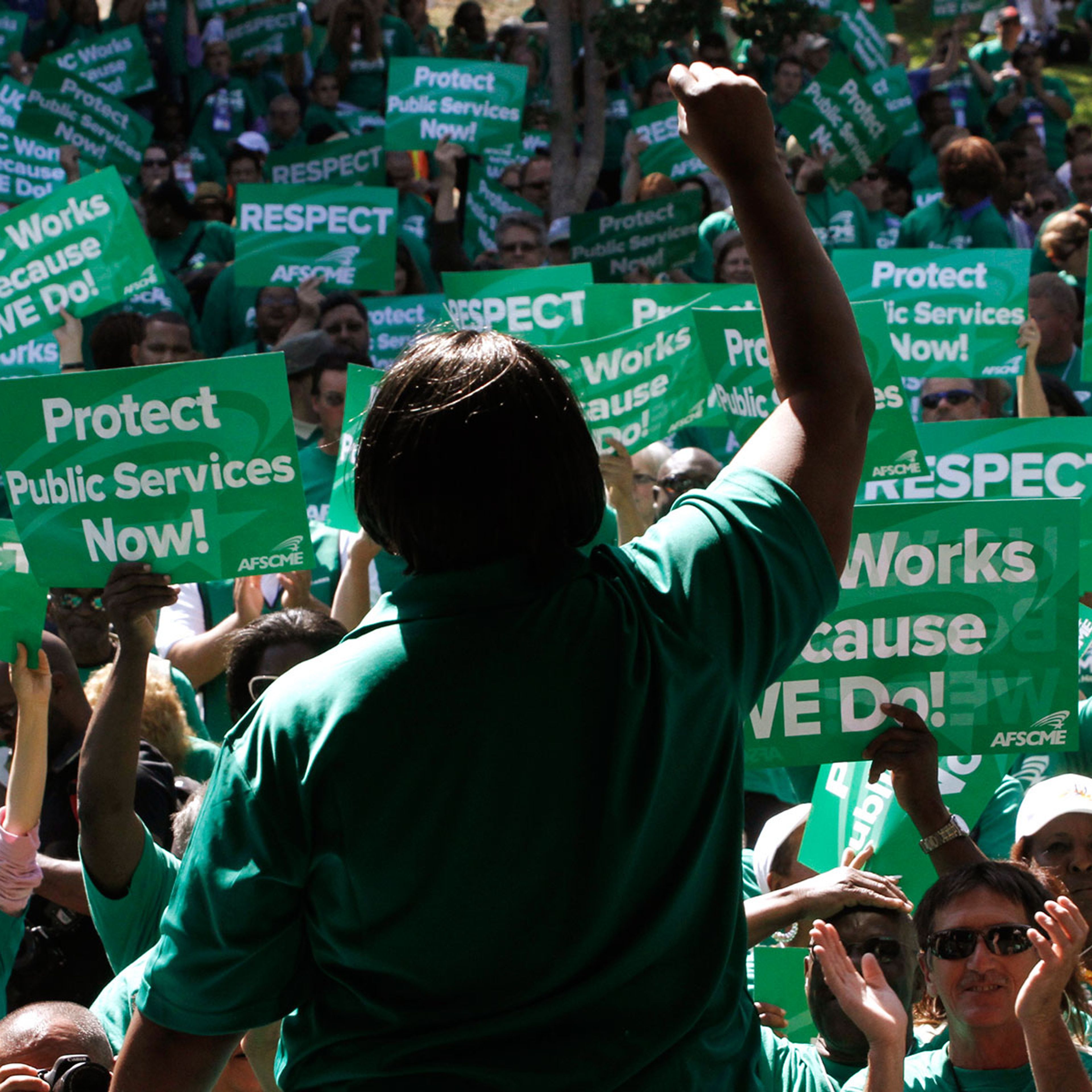
In recent weeks, the American Federation of State, County, and Municipal Employees (AFSCME) and the AFL-CIO have begun to use the new Citizens United rules to promote their preferred candidates in closely fought contests, such as Lt. Gov. Bill Halter’s challenge to Sen. Blanche Lincoln in Arkansas’ Democratic Senate primary, and the special election in Pennsylvania’s 12th congressional district, which Democrat Mark Critz won in mid-May. In a television ad that started airing late last month, AFSCME whacked Lincoln for moving her family permanently to Washington and taking money from corporate interests. “Blanche Lincoln packed up and left us years ago. Maybe it’s time for us to send her packing, for good,” the ad concludes.
This ad is an example of “express advocacy”—defined as explicitly telling the public to vote for or against a specific candidate. Before the Citizens United ruling, corporations, unions, and other independent groups could only run express advocacy ads if they were funded by political action committees, which are restricted to $5,000 donations each year from individuals—a category known as “hard money.” Now, those groups can use any funds for these campaign efforts—an unrestricted category called “soft money.” Because these groups typically have far more soft money than hard money on hand, this significantly increases their potential budget for advertising that directly attacks or supports a candidate.
“You couldn’t say a lot of things before that you can now, with different money,” says AFSCME deputy political director Ricky Feller, who confirmed that the union used soft money to fund the TV ad. Campaign finance experts say the AFSCME ad is a good example of what’s possible in a post-Citizens United world. Kenneth Gross, a campaign finance lawyer at Skadden, says the new rules could help unions and other groups “have their voices heard, will have an impact on the process and will have an impact on the candidates.”
The article ends with this bit of silliness from an AFL-CIO spokesman:
AFSCME and the AFL-CIO say they share those concerns. “Once corporations figure out how they’re going to do this or not do this, we can’t compete with their money,” says Feller. But they believe that the same rules shouldn’t apply to them. “We think unions are different from corporations,” says AFL-CIO’s Tune. “They actually represent members who pay their dues, representing working people.”
Why should workers enjoy more freedom of speech in the political arena than the shareholders who employ them? I can’t think of a single fair or coherent reason for the disparate treatment.


Comments