
One of the reasons the U.S.–China trading relationship is so contentious is that when China first became a member of the World Trade Organization in 2001, it was admitted under an accession protocol that failed to anticipate many of the trade abuses that would be committed by the Chinese party-state in the years to come. That is, of course, an entirely forgivable sin. No one has perfect foresight. The expectation at the time was that the major trading countries would eventually agree to a new set of multilateral rules. For a variety of reasons, however, that never happened. The Doha round of negotiations, which was set to begin not long after China’s WTO accession, was meant to address new developments in international trade, including the consequences of (for example) the Chinese party-state’s unacknowledged role in compelling its business enterprises to force foreign partners to transfer key technologies, among other things. Had the terms of China’s participation in the multilateral trading system been revised, perhaps we’d all be in a happier place.
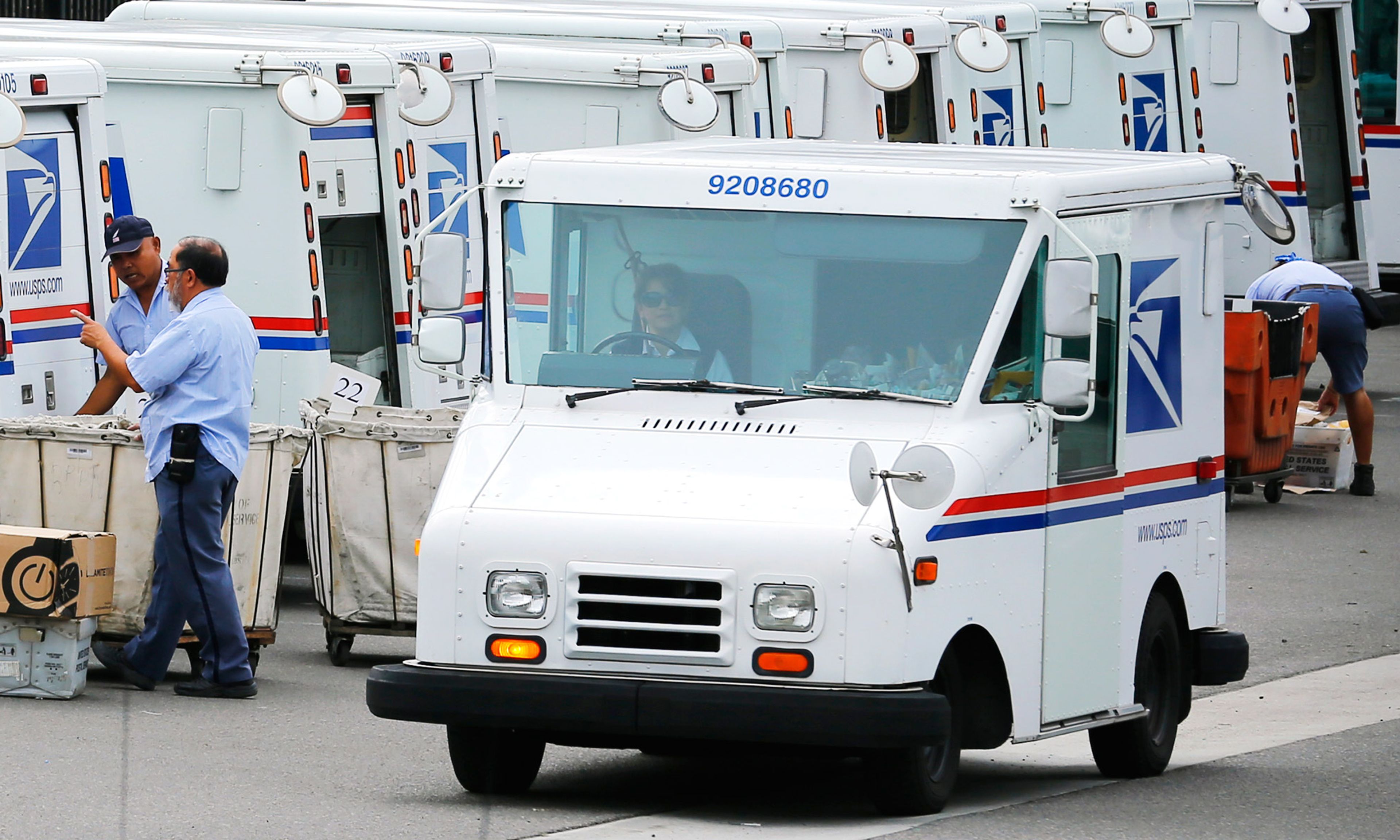
The same logic applies to a more obscure international accord — the Universal Postal Union. Over at the Wall Street Journal, Greg Ip observes that under current rules, Chinese firms enjoy a very big advantage over their U.S. counterparts when shipping to U.S. customers. Why is that? Under the UPU, post offices in different countries pay “terminal dues” to their foreign counterparts to help meet the cost of keeping the mail flowing. Reasonably enough, Ip explains, “[p]ost offices in richer countries charged their developing-nation brethren lower dues to help them out.” Because China is considered a developing country by the UPU, it pays lower terminal dues than do other major trading states, and as a result “the U.S. Postal Service can’t charge its Chinese counterpart the full cost of delivery.” Incredibly, the U.S. Postal Service has to offset the revenue it loses as a result by hiking fees on domestic customers. To address this unfairness, President Trump is now preparing to withdraw from the UPU — a threat designed to help the U.S. secure a better deal.
Will Trump’s strategy work? That remains to be seen. But as Ip argues, it really is true that the UPU’s antiquated rules have put U.S. firms at a disadvantage and that the diplomatic efforts of previous administrations to reform them have yielded precious little. In this case, at least, the president’s blunderbuss approach seems to have some merit.





Comments