
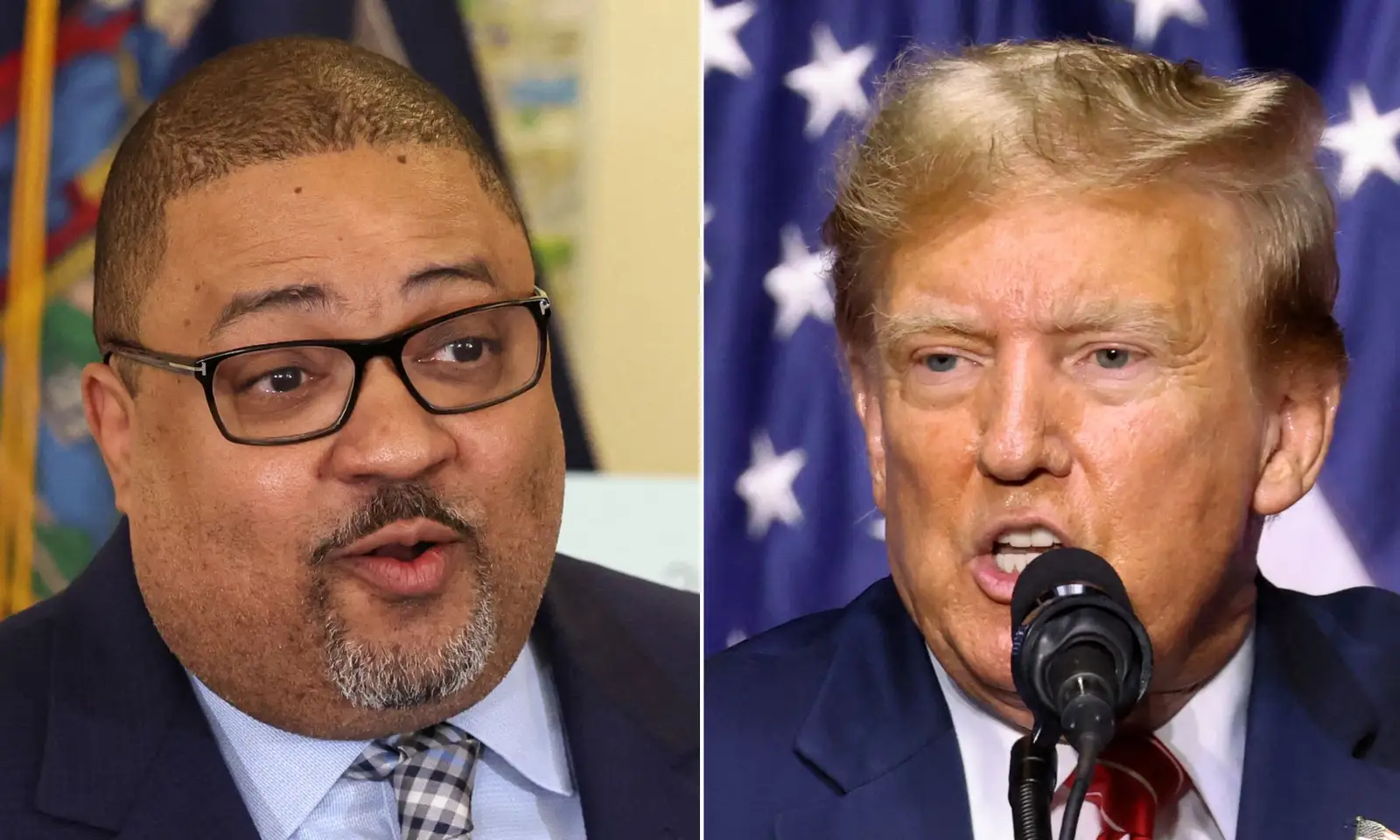
I have a column up today on why Manhattan DA Alvin Bragg’s prosecution of former president Donald Trump violates both the federal and state constitutions.
It offends the U.S. Constitution because the indictment pleads a crime (felony falsification of business records) that is different from the one Bragg is presenting to the jury (the “crime” of conspiracy to steal an election by violating federal campaign-finance statutes — a crime that does not exist in New York law). The prosecution flouts New York’s constitution because the felony business-records-falsification statute (§175.10) does not describe with specificity what is meant by “another crime” — i.e., assuming a person falsifies business records with a fraudulent intent to conceal “another crime,” the statute does not elaborate, by describing conduct or citing other statutory provisions, what these other crimes are that would trigger the felony penalty.



Comments
On “What Happens When the Law and the Indictment Do Not State What the Crime Is”