
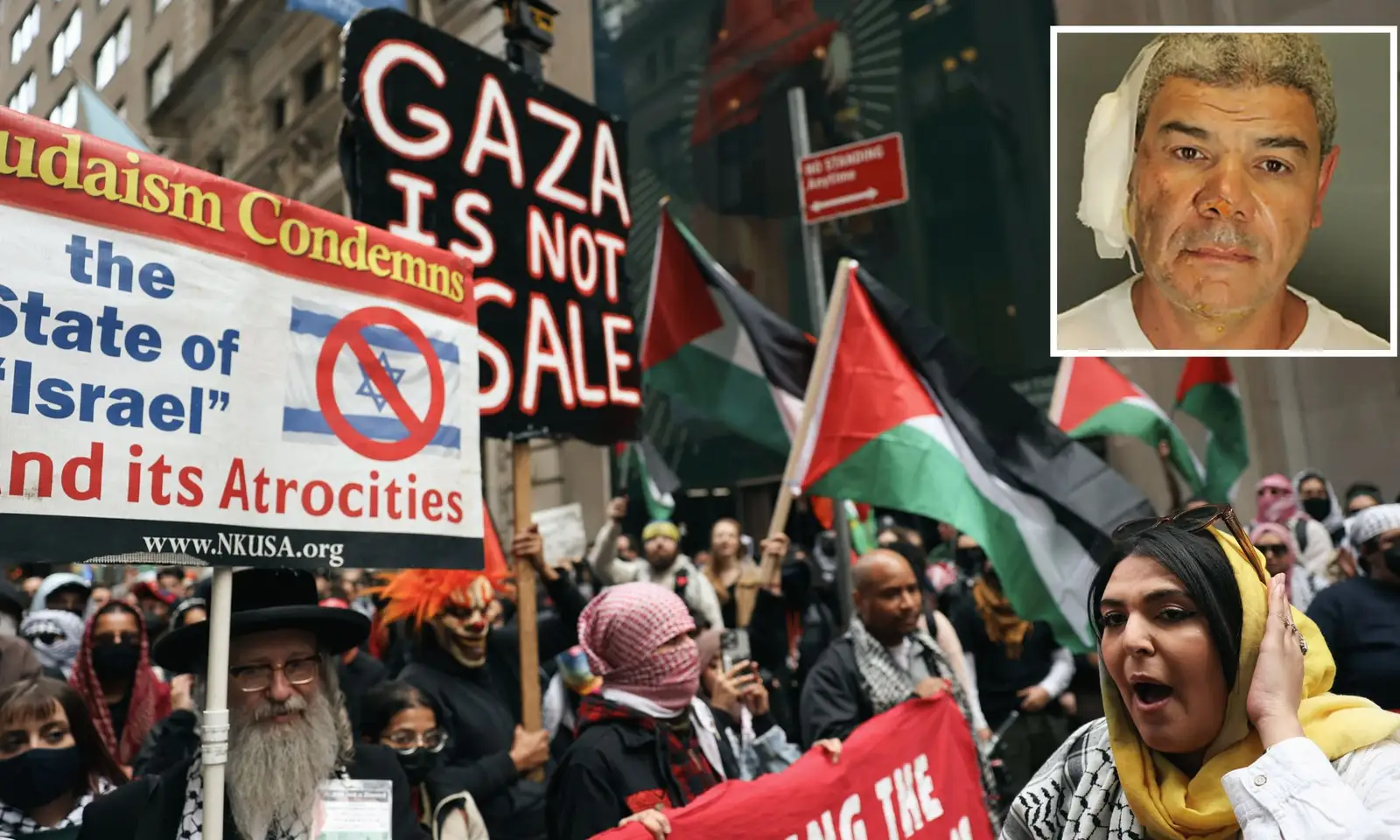
You never have to wait long before an act of right-wing political terrorism or even vandalism stirs a cottage industry devoted to “connecting the dots.” Whether the connections are valid or spurious, sleuths emerge from the woodwork to eagerly draw crisscrossing threads across the paranoiac’s corkboard, linking the violence to the figures they imagine might benefit from violence. White supremacy and white nationalism, limited-government conservatism, support for the right to life, or even just taking a special interest in your child’s education — these are ideals with the capacity to radicalize. Only the keenest of observers with the requisite educational background and insight can see it.
Given this reliable tic, the degree to which the professional dot-connectors have abdicated their role in the last several weeks is quite conspicuous.

Comments
On “Where Are the Dot Connectors?”