
The economic consequences of globalization are, quite clearly, one of the themes running through this election (and not just this election), but via Cato, this is a useful reminder that job losses cannot only be blamed on wicked free trade:
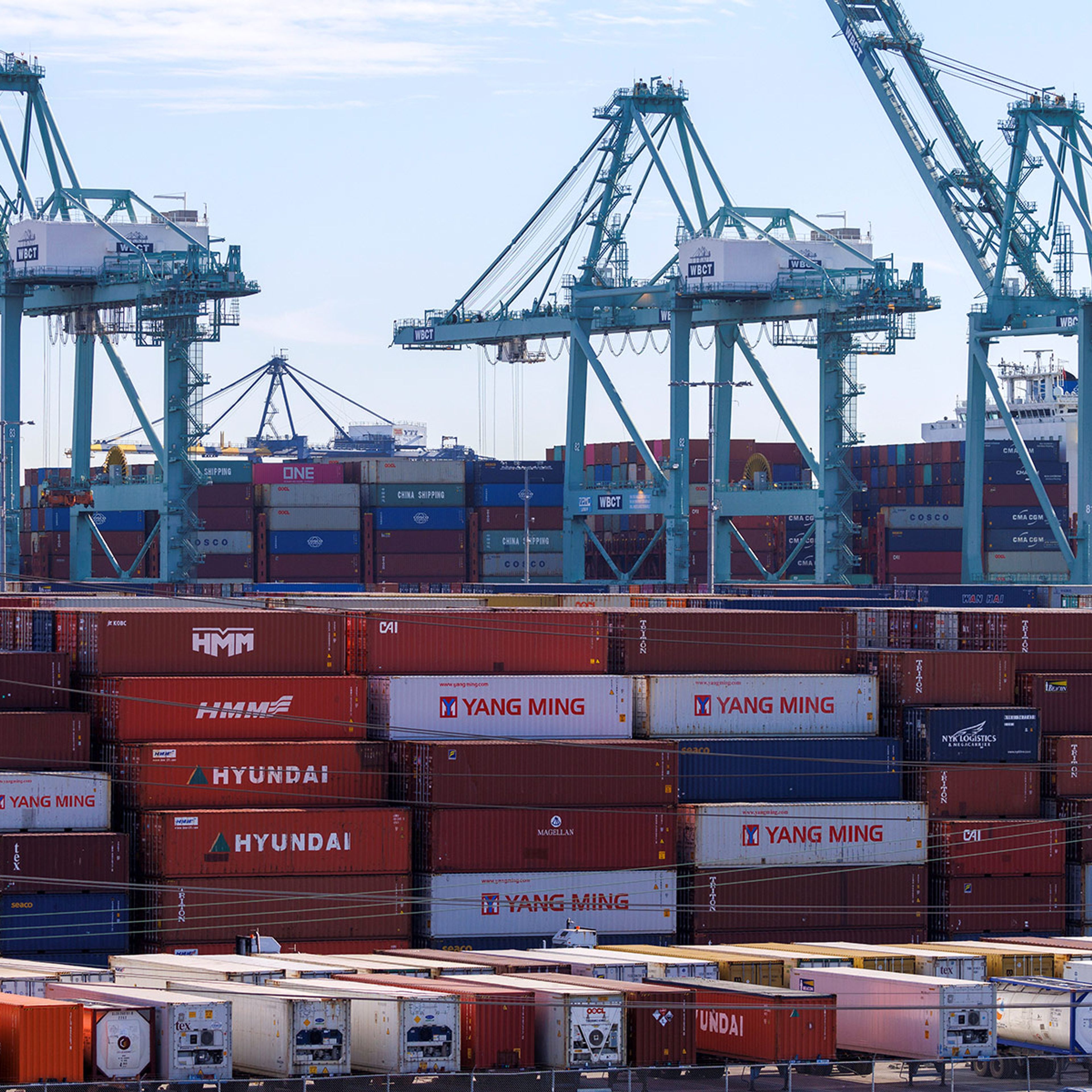
[T]he U.S. manufacturing sector has never been larger. Value added by the U.S. factories reached an all-time high of $2.4 trillion in 2015. Manufacturing accounts for about 13 percent of GDP.
Yes, it’s true – fewer people work in manufacturing today than in the past. Peak U.S. manufacturing employment was 19.4 million workers in 1979, but has generally trended downward since then. Today only around 12 million people work for manufacturers, a decline of roughly one third over the past 35 years. Productivity has risen so much that many fewer workers now produce many more manufactured products.
A recent study by the Center for Business and Economic Research at Ball State University found that trade has had some effect on manufacturing employment. Researchers estimate that approximately 13 percent of manufacturing job losses have been due to trade. But the dominant factor has been productivity growth, which accounted for 85 percent of the employment decline. (Robots and computers ate the jobs.)
How we will deal with the consequences of automation is a discussion that is only really beginning, but the idea that everything worked out fine in the past (so there’s no reason to worry) is neither accurate nor an answer.
FWIW, I took a look at what some of the political fallout might be (not so great) in the latest NRODT




Comments