
One of the traditional contract rights Americans enjoyed was the freedom to choose another party to act on your behalf — or not to do so. If you wanted a labor union to represent you, you were free to join, but if you did not want that union’s representation, you could say “no” and go about your business.
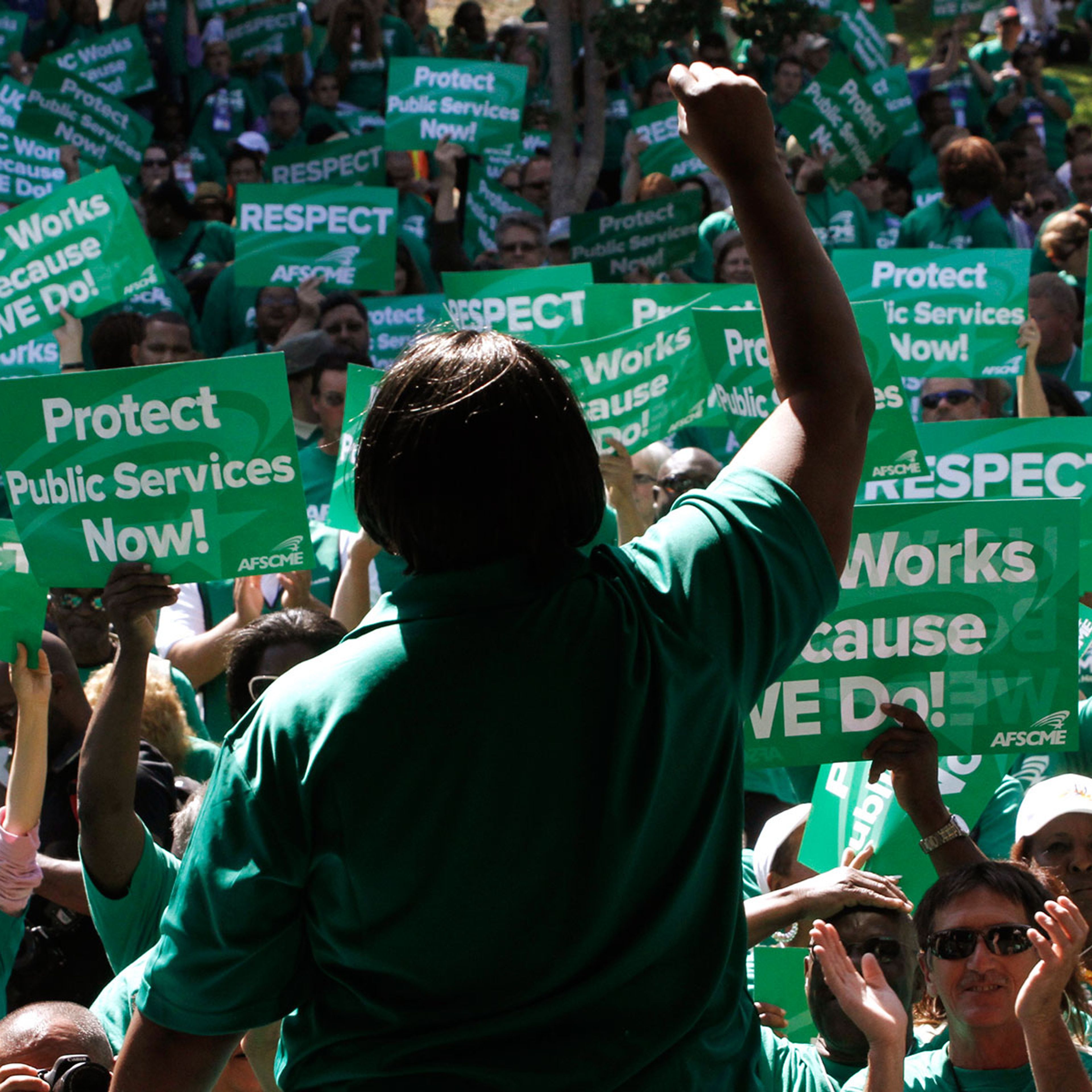
That changed with the National Labor Relations Act, which gave certified unions exclusive representation power. Workers in the bargaining unit had to accept the union’s representation, or quit. State laws followed to give public-sector unions exclusive representation over workers, including college professors.
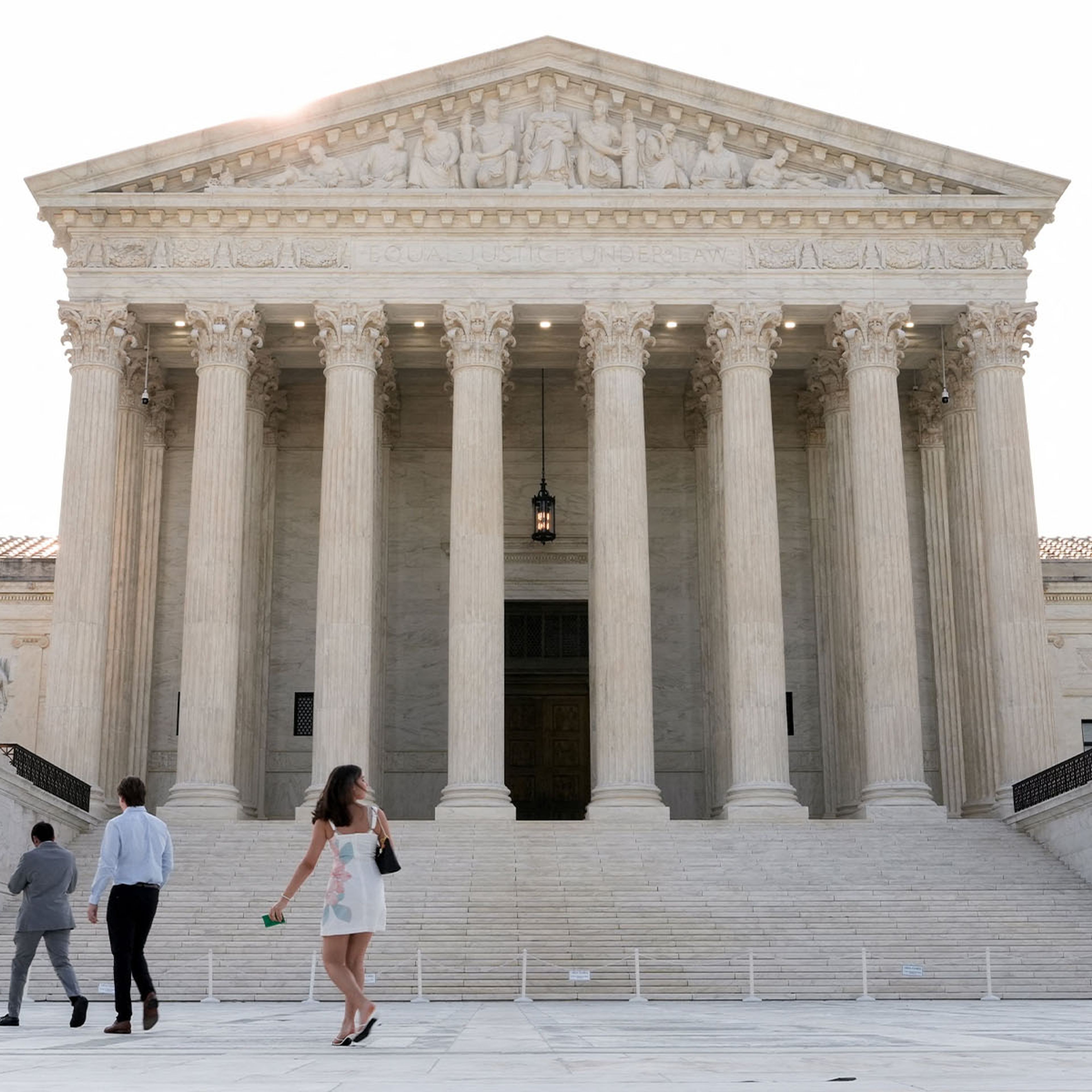
But the legal climate has turned against union coercion in recent years. The Janus case decided last June held that public employees cannot be compelled to pay dues if they don’t choose to join the union. That left unresolved the question of exclusive representation, however. Can workers be compelled to accept the union as their representative in dealings with the employer? A case challenging the Minnesota law which says that they can be is under appeal to the Supreme Court and in today’s Martin Center article, the plaintiff, political-science professor Kathy Uradnik, explains her stance against exclusive representation.
Professor Uradnik writes:
Forced union representation is an affront to the freedom of individuals to choose how and with whom they wish to associate. As we enter the mid-21st century, government continues to mandate that its employees accept union representation, whether they want it or not.
Unfortunately, the Eighth Circuit upheld the Minnesota law, which is why the case is on appeal. We don’t yet know whether the Court will take it, but I think the chances are good.
Uradnik concludes:
It’s time for the State of Minnesota to end this unconstitutional charade. My rights of free association and free speech should not be subject to the System’s preference for the status quo, or to the inertia of the Minnesota legislature.
Yes, but since Minnesota isn’t likely to stand up for individual rights when a labor union wants power, the Supreme Court will have to step in. We will probably know whether it will next month.



Comments