
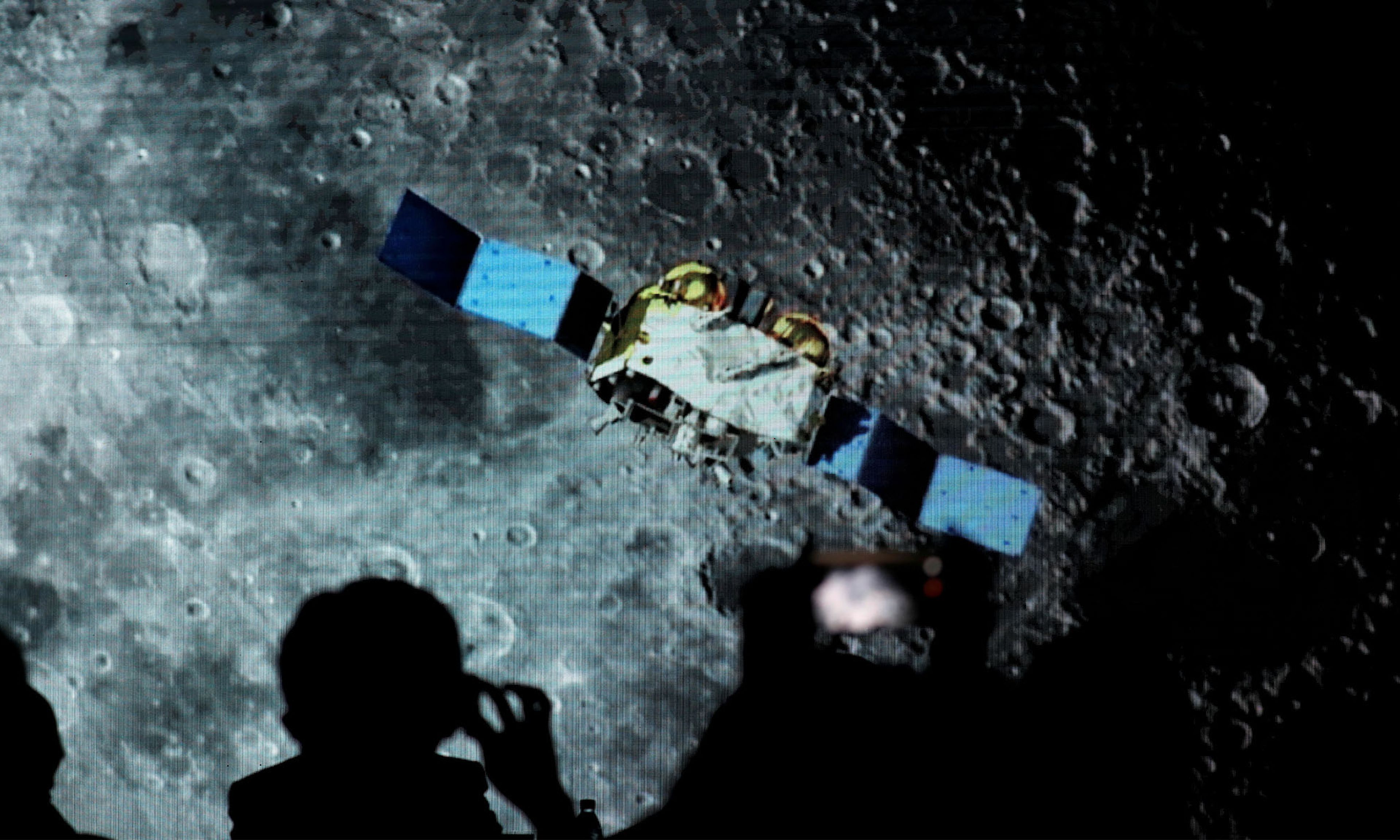
On August 10, a Soyuz-2 booster rocketed off the launchpad at the Vostochny Cosmodrome in the Russian far east. It carried the Luna-25 probe into orbit and, with it, the hopes of Russia’s moribund space program. The probe was to be Moscow’s first mission to the moon in nearly a half century, and, on August 17, Luna-25 entered stable lunar orbit in preparation for Russia’s first soft landing on the moon’s surface since 1976. But Russia’s hopes were dashed over the weekend when the Russian space agency, Roscosmos, announced it had lost contact with the probe. It is assumed to have crashed into the lunar surface after shifting into an “off-design orbit.”
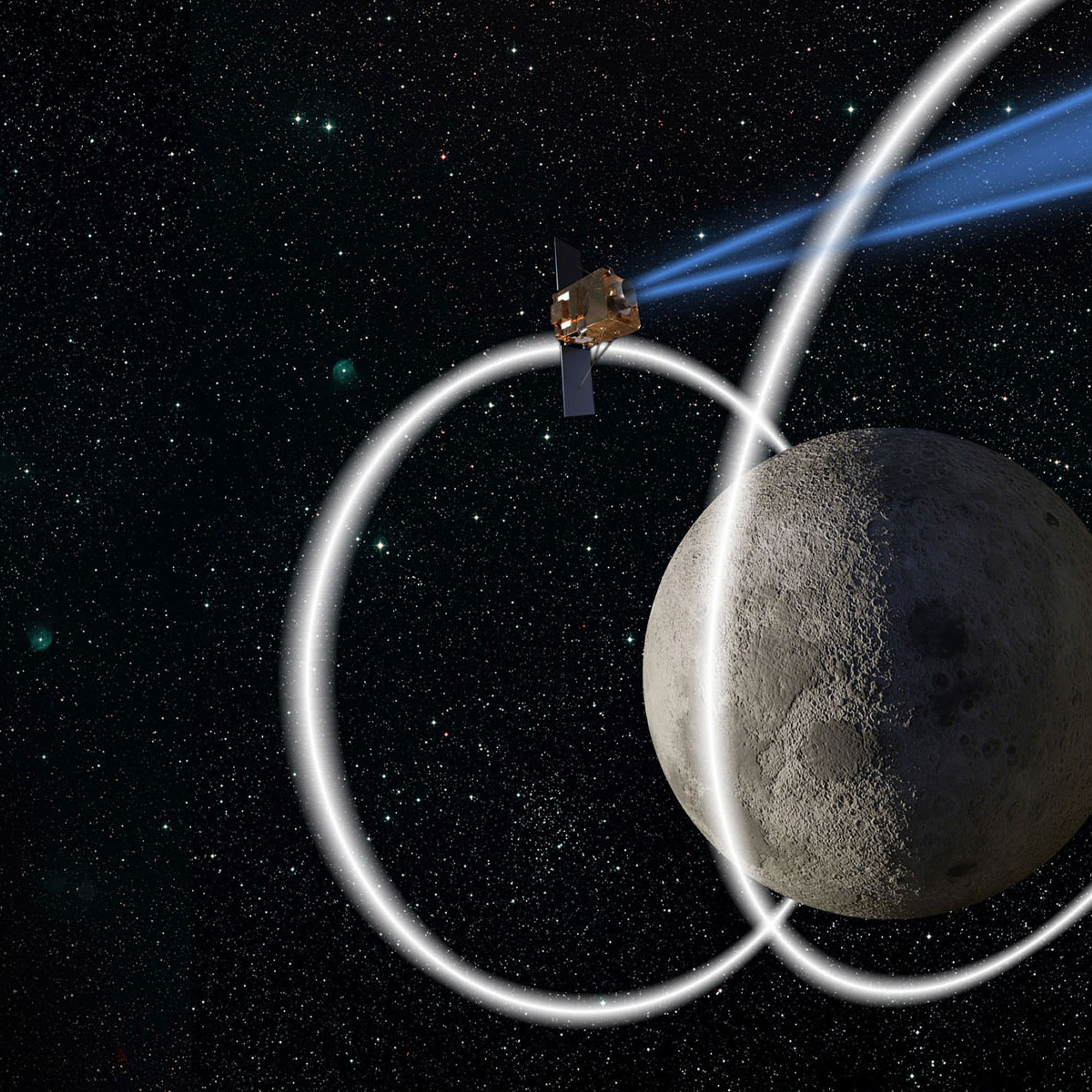
Space is a deadly and difficult place to navigate, even for unmanned robotic explorers. But Russia’s unsuccessful effort to stage a return to the lunar surface was only a prelude to a flurry of activity among aspiring space-faring nations. India’s Chandrayaan-3 inserted into lunar orbit earlier this month and plans to touch down on the moon’s surface this week. Japan is preparing to launch its SLIM lander next month, which aims to prove the concept of smaller, more accurate lunar-exploration vehicles. China hopes to follow the success of its 2020 Chang’e-5 mission to the moon with the Chang’e-6 — a probe that will explore and return samples from the far side of the lunar surface in preparation for China’s first manned mission to the moon (which Beijing hopes to achieve before the end of the decade).

Comments