
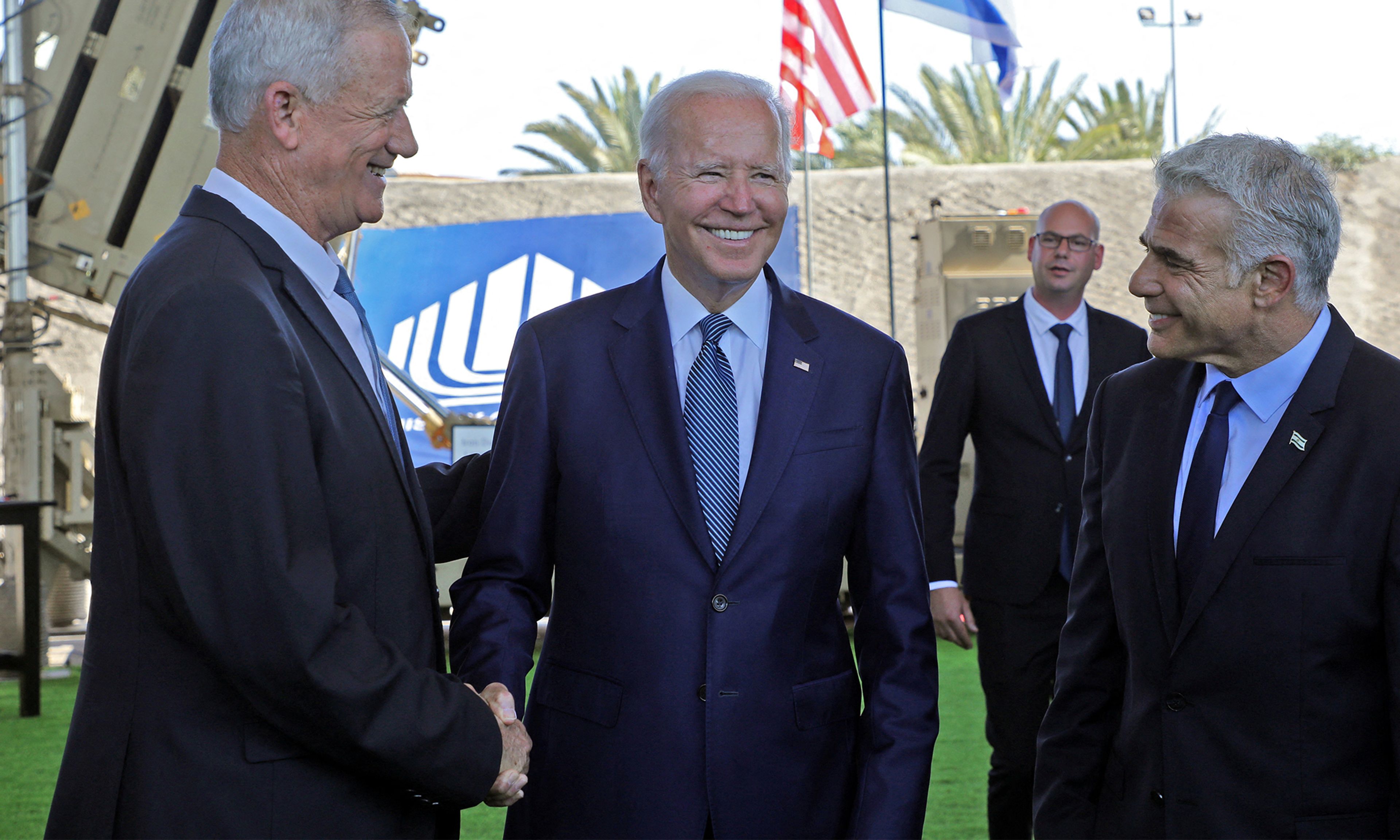
President Biden’s recent trip to the Middle East has raised questions about whether his foreign-policy strategy may shift to mimic his predecessor’s strategy in the region. Donald Trump’s Middle East strategy was to build a coalition between Israel and Arab Gulf nations against their regional rival, Iran. Biden could leverage something like Trump’s strategy in the region to yield potential economic and political benefits. During his Middle East trip so far, Biden has followed this plan by, for example, becoming the first president to fly directly from Israel to Jeddah in Saudi Arabia, signaling his intentions to preserve the united Middle East coalition.
But will it work? Questions remain. Concerning the economic, Biden is seeking a better oil deal amid an ongoing global oil crisis that has contributed to skyrocketing levels of inflation. Unfortunately, the Saudi government has maintained it will not adjust oil production, not wanting to renege on a previous agreement made with other nations, including Russia.
As for the political, it’s worth noting that, during Biden’s tenure, the Biden administration has made decisions that counter the interests of our allies in the Middle East in this regional coalition and threaten their national security. The United States has, for example, been less friendly to Israel. Recently, Biden reversed a decision made by his predecessor when the State Department moved the Office of Palestinian Affairs to Jerusalem and confirmed a plan to reopen a Palestinian consulate in the city. This decision was not well-received by the Israeli government, which saw it as undermining Israel’s sovereignty and its claim over the capital city, Jerusalem.
Biden has undermined the political prerogatives of Saudi Arabia as well. Since Biden’s presidency began, his administration has persistently tried to renew a Iranian nuclear agreement, which would ostensibly reduce economic sanctions in exchange for the mitigation of Iranian nuclear programs. Arab and Israeli officials have lampooned this decision as empowering Iran by providing more economic capital to fund proxy wars and organizations that threaten Saudi Arabia and the other Gulf countries.
Despite these missteps, the Biden administration hopes to pursue meaningful relationship with these and other nations and better promote the Middle East coalition. Speaking with National Review, Ambassador Hesham Youssef, former cabinet member of the Egyptian foreign ministry, confirmed that the Biden administration wishes to strengthen relations between Arab nations and Israel. Ambassador Youssef said he hopes Biden’s visit “will allow the United States to be involved in a meaningful and constructive way in the Middle East.” For the sake of Middle East stability and American interests, it would indeed behoove President Biden to consistently follow a foreign-policy strategy that strengthens the coalition established by Trump in the region.




Comments