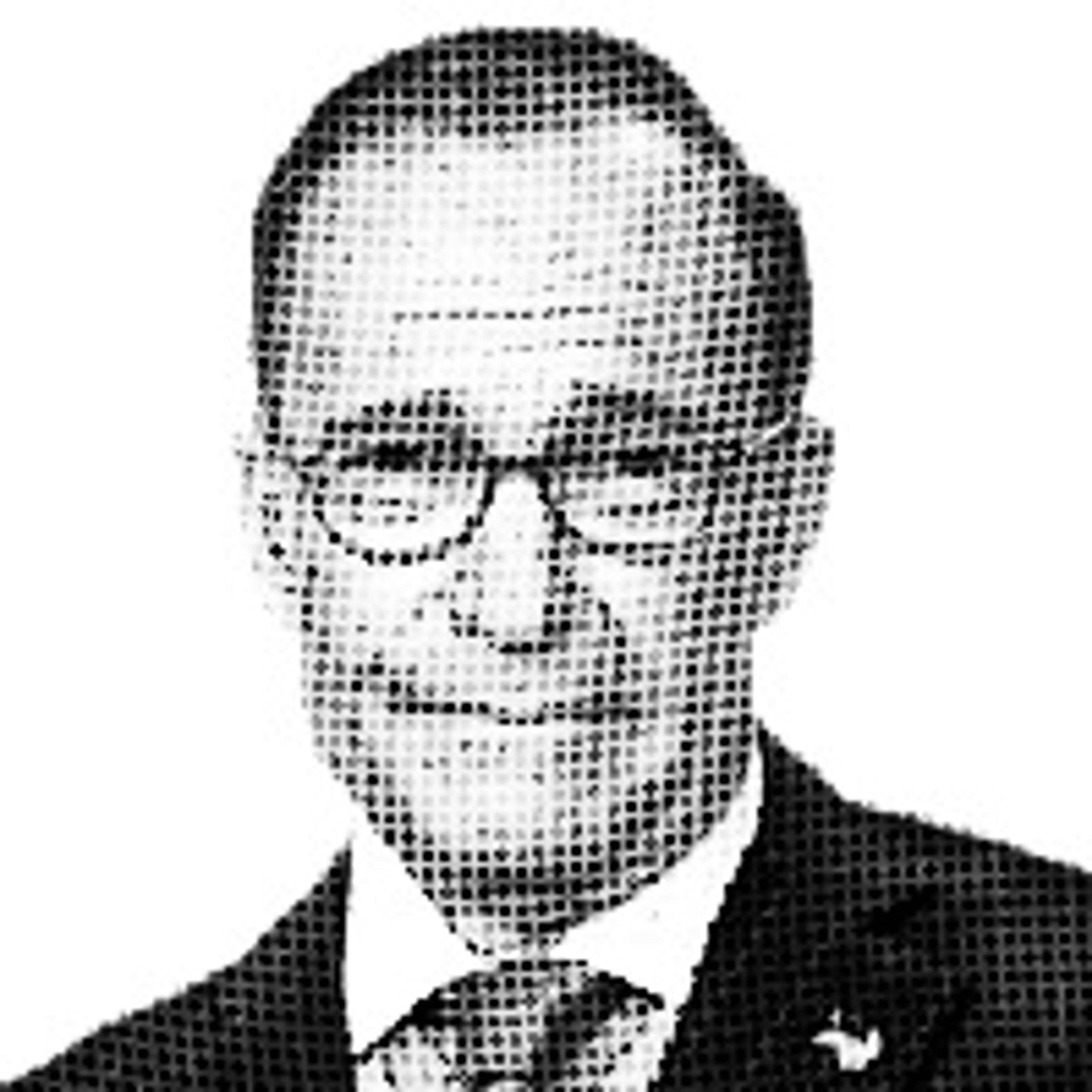
President Bush gave the ‘Full Monty’ to Hank Paulson’s swearing-in ceremony at the Treasury Department this morning. Not only did Bush go across the street to honor the new Treasury man, the President gave a full dress-up speech to boot.
He talked about keeping taxes low, bringing federal spending under control, maintaining free trade, avoiding excessive regulations, and keeping America competitive by rewarding innovation, risk-taking and enterprise. The President remarked, ’America is the most innovative nation in the world because our free enterprise system unleashes the talent and creativity of our people.’
Mr. Bush also touted the strong economy by citing low unemployment, high productivity, rising wages, and higher living standards.
All this occurs against the backdrop of new reports that show the success of supply-side tax cuts and the rapidly expanding economy.
Lower tax rates on investment, working through the expanded economic pie, are bringing tax receipts about $250 billion above last year’s levels’” a nearly 26 percent increase. This will bring the budget deficit down by as much as $100 billion and, in fact, our estimates suggest about a $250 billion deficit for FY 2006. This would represent about 2 percent of GDP.
Personal withholding taxes are rising nearly 10 percent and non-withheld income taxes (capital gains and dividends) are rising about 20 percent. Corporate taxes are up about 17 percent. It’s too bad federal spending is still growing around 8 or 9 percent, because if spending were closer to 5 percent growth, we’d probably have a balanced budget next year, or close to it.
As Brian Wesbury reminds us in his Monday morning outlook piece, Hank Paulson, during his confirmation hearings, explicitly pointed out that tax changes affect economic behavior. So there can be no question that the Laffer curve’s incentive effects are working strongly as the economy is highly responsive to record low tax rates on capital.
As for Mr. Paulson, he told the large audience at this morning’s swearing in ceremony, ’we need to pursue economic and regulatory policies that are responsive to today’s world’





Comments