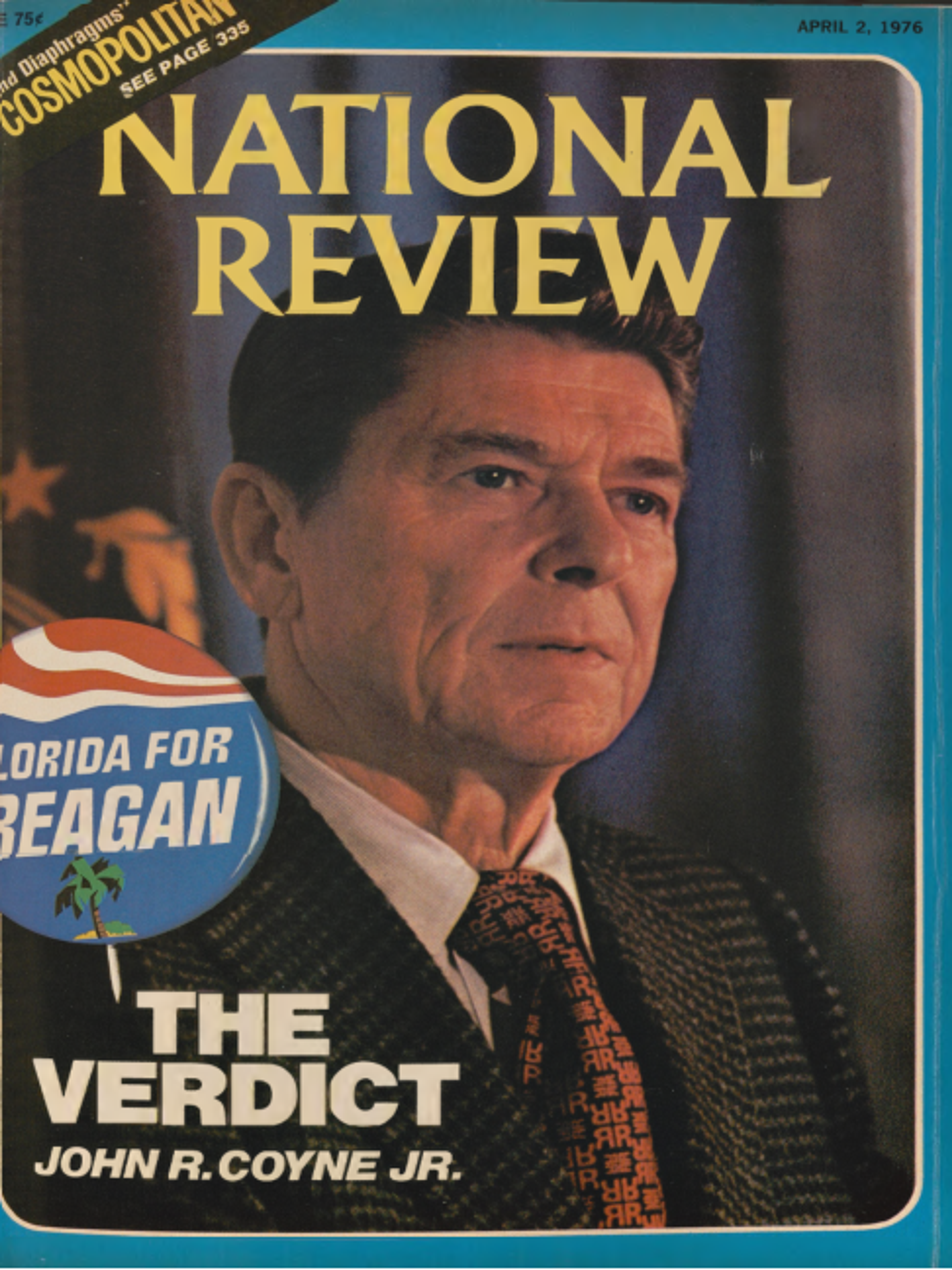
How deep are wounds? Too deep to heal soon, says an aide to Governor Ronald Reagan, angered by Gerald Ford’s attacks on his candidate. The architects of the attacks, it is generally agreed, are Stuart Spencer, the Ford campaign’s political manager, and William Roberts, who took over the faltering Ford operation in Florida. Both are former Reagan supporters from California, and both believe in playing political hardball. “They’re trying to discredit Reagan personally and politically,” says the aide. “They call him a back-door socialist and a right-wing nut. And they insult his supporters in the process.” The Ford-Spencer-Roberts strategy is to take Reagan out of the race by the end of March, and then, if successful, spend time trying to heal the rift with much of the Republican Right. But should they succeed in scuttling Reagan’s candidacy by misrepresenting his views and record, many conservatives believe that their tactics will return to haunt them. Reagan loyalists are not ready to discuss what may happen if Reagan withdraws, pointing out that such talk is both defeatist and premature. There are still states to be heard from in which Reagan is strong, among them California, where he holds a commanding lead in the polls. And, as one Washington conservative leader observes, the Ford people have a limitless capacity for blundering at crucial moments. Nevertheless, the rumblings have begun, and once again there is talk of third and fourth parties and alternative candidates, perhaps a Reagan-Wallace ticket or large-scale defections to Scoop Jackson. Whatever develops, the wounds are obviously genuine and deep. “There’s no reason why those wounds should be expected to heal over,” says a Reagan supporter who rejects the “they-don’t-have-anywhere-else-to-go” argument that the national Republican leadership customarily advances when dealing with the Right. He, like many conservatives, believes there are plenty of places to go should the Ford-Spencer-Roberts assaults succeed. “Time often does heal wounds,” says one irate Reaganite. “But it also wounds heels.”
Gerald Ford won no applause from Henry Kissinger for backing off from detente. “The basic interests of the United States are permanent and ought not to reflect presidential campaigns,” said Kissinger shortly after “detente” became an Administration unword, “and I hope that all candidates will keep that in mind as they progress.” There was no qualification of the phrase “all candidates,” and Henry Kissinger, in the eyes of Ford loyalists, joins Nelson Rockefeller in that Washington limbo reserved for those who question their leader’s campaign tactics.




Comments