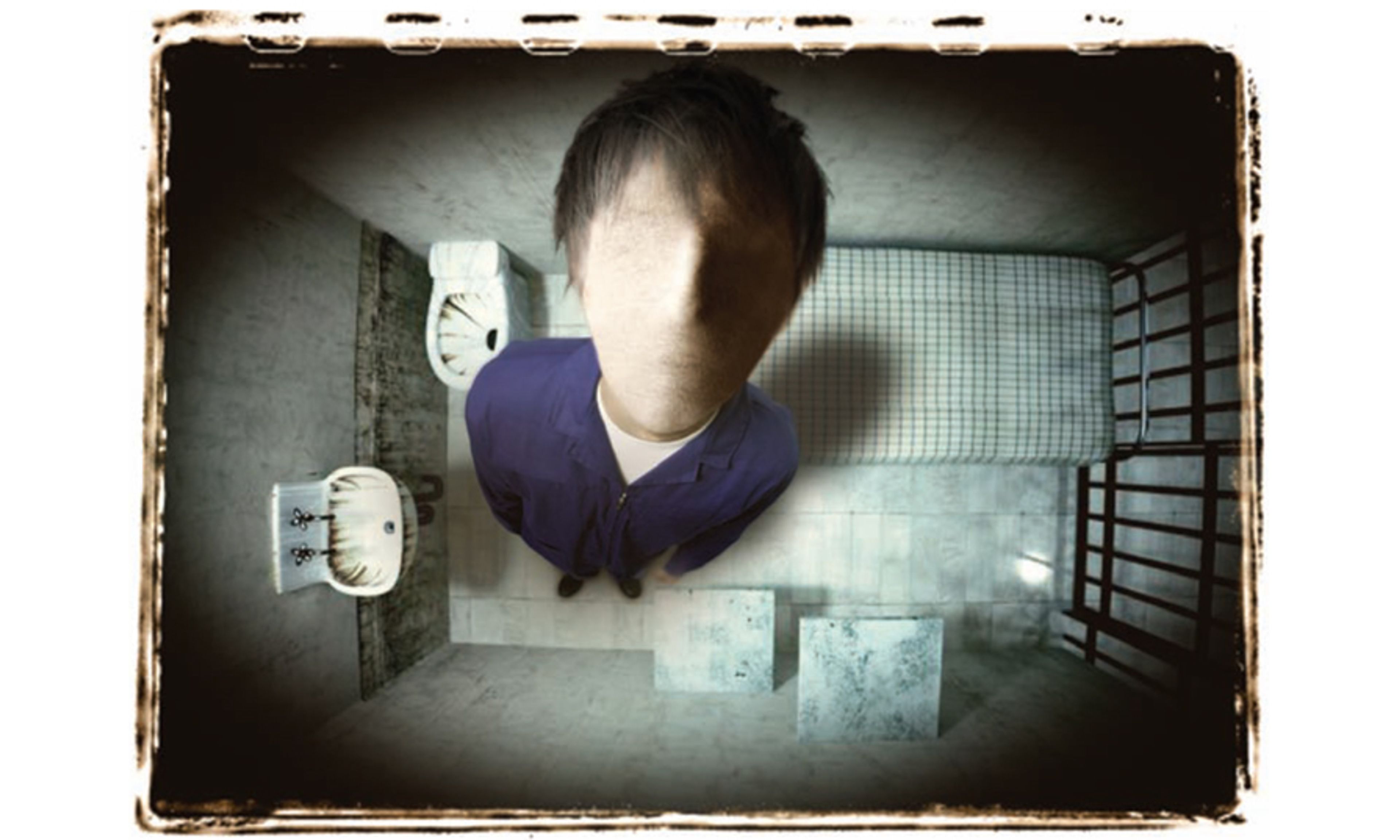
The greatest fictional depiction of solitary confinement is by Anton Chekhov, in a story called “The Bet.” Its plot is simple: A wealthy banker bets a younger, poorer man that the young man cannot live 15 years alone in a small, sealed lodge in the banker’s garden. He will have food and books but no human contact: no conversation, no letters, no news of the outside world. If he lasts the whole 15 years without leaving the lodge, he will win a fortune from his captor. What happens to a human being so confined? The man’s spiral into insanity is described mostly through his enigmatic requests for reading material. It would be a crime against literature to spoil the story for you, but suffice it to say that 15 years of solitude is not healthy.
The captive reaches summits of madness that few have trod — until the past few decades, that is. For Chekhov, the effects of long-term solitary confinement were a matter of speculation. But in the modern American penal system, long-term solitary is an experiment that has been run tens of thousands of times.










Comments