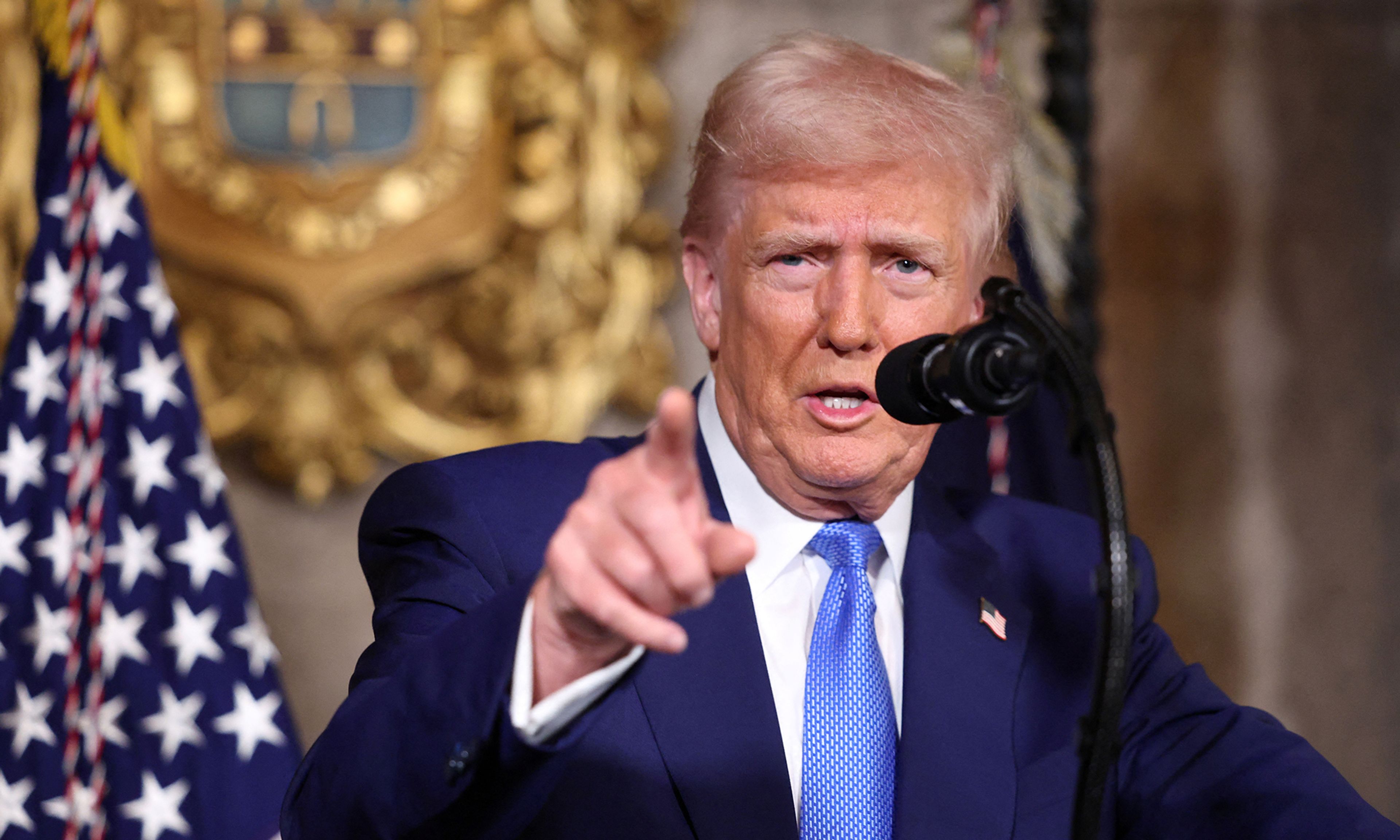
Analyzing the foreign policy of a conventional incoming president requires assessing the strategic threats and challenges facing America, the crises already boiling on January 20, and his priorities for its first hundred days. But because Donald Trump is far from conventional, any effort to predict what lies ahead in international affairs must include first an assessment of the man himself. February’s catastrophic developments in America’s Ukraine policy alone prove this point.
Hard as it is for reporters, commentators, politicians, and academics to grasp, Trump has no overarching national security philosophy. He doesn’t do grand strategy. He doesn’t make “policy” as Washington understands that term. His decisions are transactional, ad hoc, anecdotal, and episodic. Analysts try to draw lines among them, but even Trump can’t, sometimes not even adhering in the afternoon to positions he took that morning. He is not playing three-dimensional chess; he is playing regular chess, one move at a time.






Comments