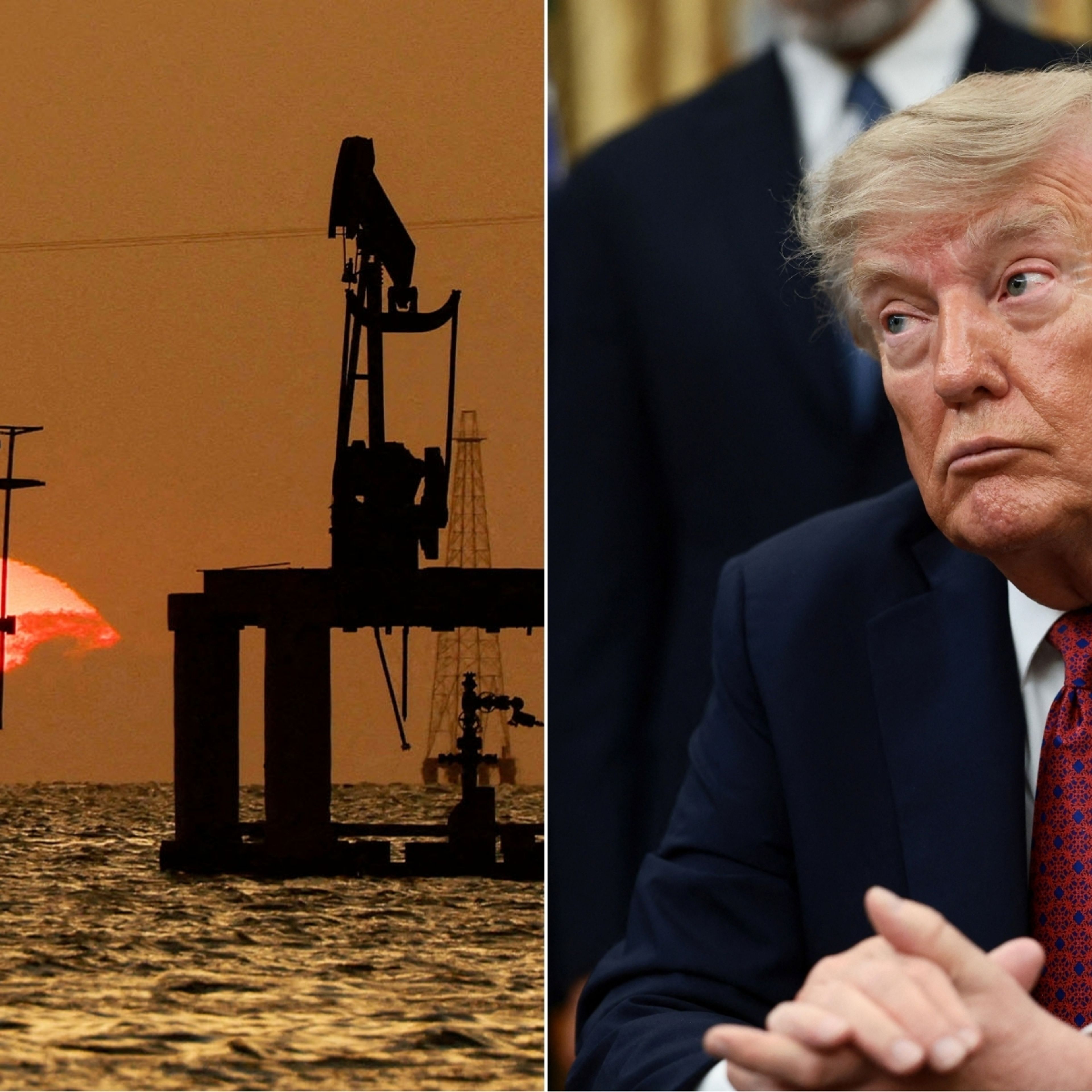
IT’S Sunday in Venezuela, which means it’s time for President Hugo Chávez to go on radio and television to “dialogue” with his people. Dialogue is actually not the right word; except for this week’s special guests (Cuban dictator Fidel Castro by telephone from Havana, and later, Cuba’s health minister), Chávez does all the talking-endlessly, tediously, often jumping from topic to topic in no apparent order. This time it’s a full eight hours. The subjects include the evils of capitalism and “neo-liberalism,” the unspecified contribution Cuba can make to solving Venezuela’s energy problems, the nefarious George W. Bush, the dangers of a free-trade agreement with the United States (“a grinding stone to crush peoples”), the vast wave of support that Venezuela and its president now supposedly enjoy throughout the hemisphere and even the world . . . Welcome to South America’s newest revolution, if that indeed is what is going on here. To the casual visitor who knew Venezuela before Chávez’s first election in 1998 it’s difficult at first to see what’s so new and different. Despite the increasingly incendiary rhetoric issuing from government sources, almost everything seems remarkably unchanged. The Venezuelan capital is still the same, sprawling, overdeveloped city it always was-part Los Angeles, part Third World slum-plagued by too many cars trying to squeeze into excessively narrow streets. The hotel lounges are full of foreign businessmen in deep conclave with their Venezuelan counterparts. The restaurants are heavily booked. The malls are stocked with foreign imports. The newspapers carry ads for vacations in Miami and Europe, as well as for luxury cars. The only important news-today, as always-is the price of oil. Good news, too, since it’s inching up to $60 a barrel, with reasonable hope of rising yet further. It’s only when one looks beneath the surface that one can perceive that something very sinister is afoot. To say that Venezuela is all about oil is an understatement. For nearly a century the black gold has underpinned every regime here, military and civilian, good and bad. Venezuelans know this: Surveys show, in fact, that an overwhelming number think their country is the richest in the world. This claim seems remarkably inconsistent with widespread poverty, malnutrition, and substandard housing on one hand, and all the luxury high-rises and elegant villas on the other, but that is precisely the point. As one mulatto woman, the hostess of my hotel dining room, explained to me on the eve of Chávez’s first election, “We have everything. The only reason we are poor is that the politicians have robbed us.” She had it half right; the politicians did stuff their pockets during the boom years. But the real problem was oil prices. After spiking in 1972 and 1979, they collapsed in 1982. During the good years there was plenty of jam to go around; then, for nearly two decades, depressed prices deprived successive governments of much of the resources-subsidized bus fares, cheap gasoline prices, and other amenities-with which to buy painless social peace. The economic slump, juxtaposed against a rising population and growing unemployment, was bound to take its toll. The great beneficiary turned out to be a once-unknown lieutenant colonel who convinced the underprivileged masses that the simple act of electing him would turn oil prices around and bring back the good times.
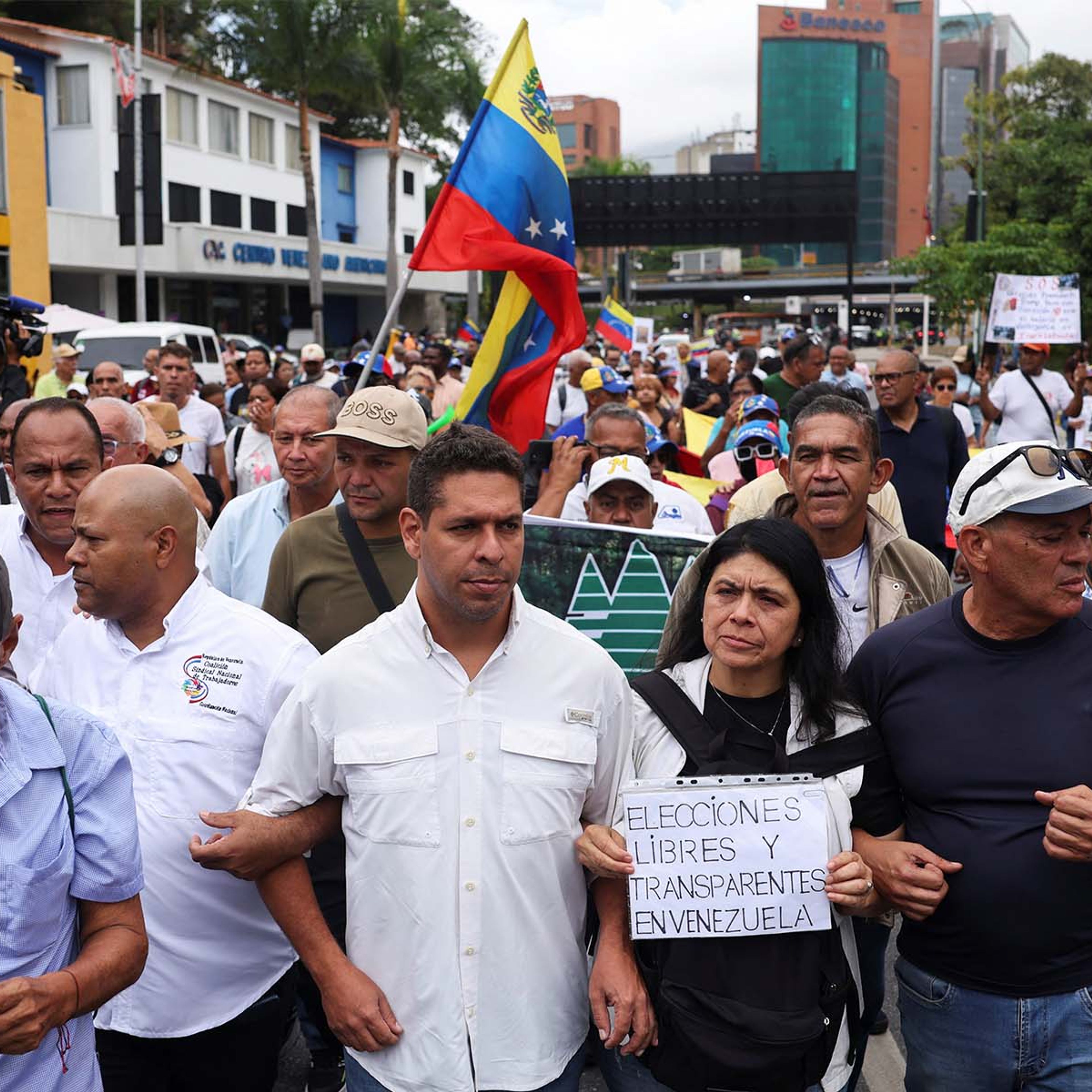
Not surprisingly, this didn’t happen-at least not immediately. In fact, during Chávez’s first three years in office oil prices averaged slightly more than $20 a barrel. Failure to deliver the goods overnight caused support for the leader to slip precipitously; by some reckonings, by early 2001 as much as 60 percent of the population had turned against the president. Amilitant opposition took to the streets and public disenchantment peaked in April 2002 when Chávez barely survived a bungled military coup involving elements of the business community and the labor movement. In December, a general strike produced widespread economic chaos but failed to force Chávez’s resignation. Since 9/11, however, oil prices have turned sharply northward, pushing Chávez well into the clear. The latest surveys now show him with as much as a 70 percent approval rating.

Comments