All men are created equal, but all years are not. It would be difficult to imagine one more conducive than 2025 to assessing American conservatism’s condition and prospects. The year began with the inauguration of Donald Trump, whose reelection, even more than his first victory in 2016, raised basic questions about American politics in general and conservatism’s trajectory in particular. These arguments have played out in the subsequent months leading to the 70th anniversary of this magazine and the centenary of its founder, William F. Buckley Jr. A massive, long-awaited biography, Buckley, was published in June, two months before the appearance of The Man Who Invented Conservatism: The Unlikely Life of Frank S. Meyer.
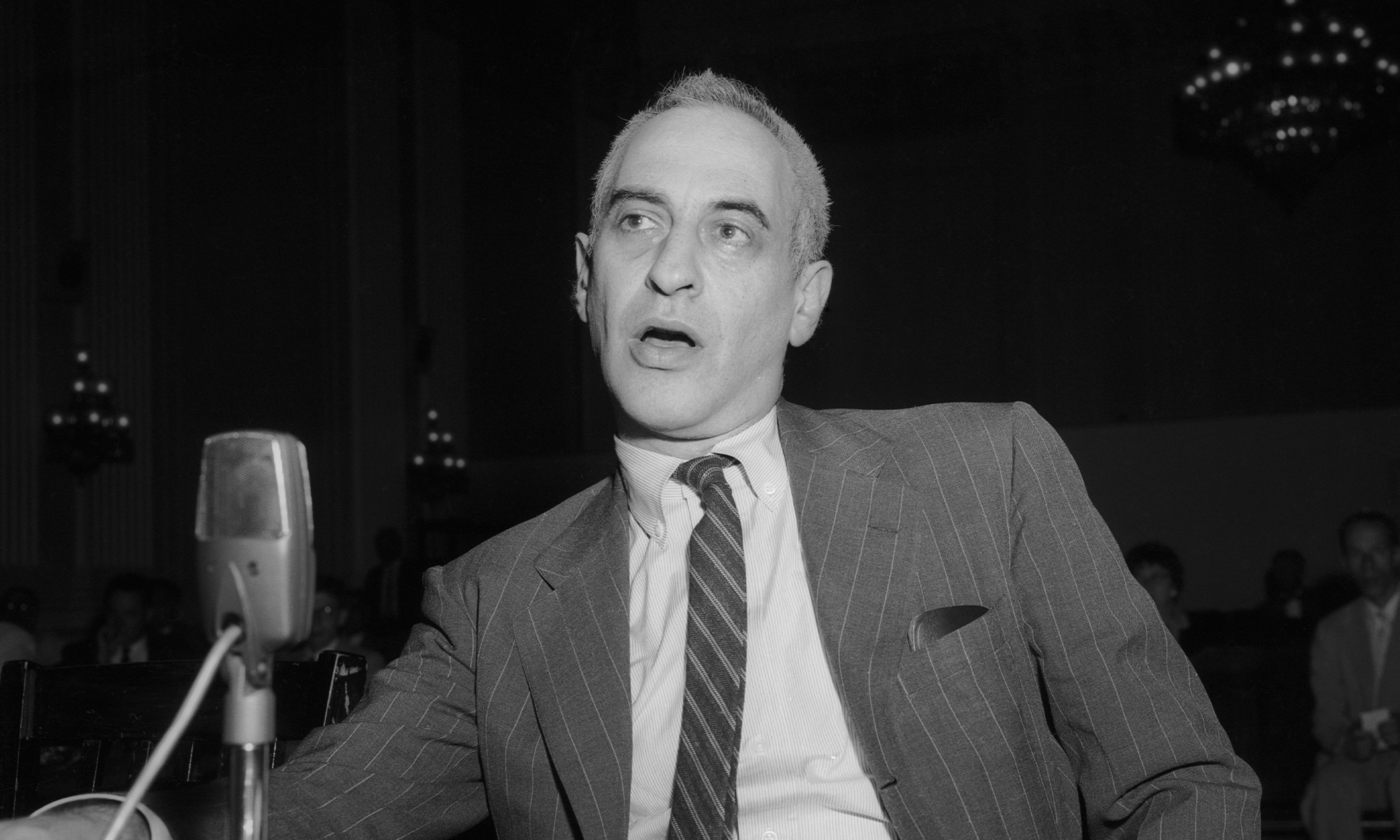
The subject of the latter book, by Daniel J. Flynn, was National Review’s first literary editor and, informally but more importantly, the principal theoretician of the magazine and, hence, of the conservative movement during its formation. Seventeen years after his death, Buckley remains famous for many things. Meyer, who died at the age of 62 in 1972, is remembered for just one, championing “fusionism,” the effort to synthesize traditionalism and libertarianism or, less ambitiously, to effect a working rapprochement within the conservative movement between each disposition’s adherents.










Comments