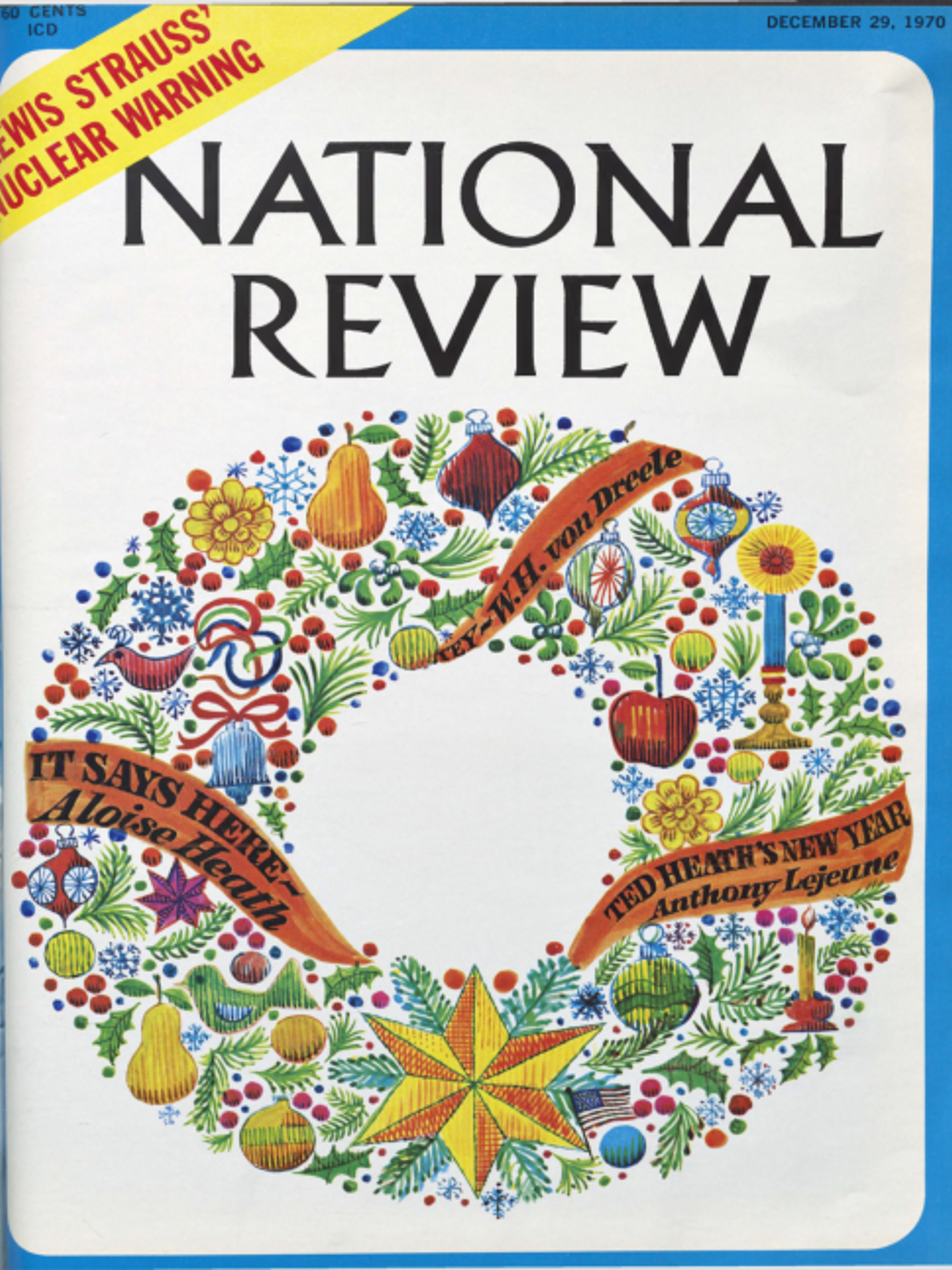
Edward Heath is turning out to be, in a paradoxical way, a much more interesting Prime Minister than could have been expected—even by many of us who voted for him. It’s paradoxical because he so conspicuously lacks most of the qualities that normally make one say that a politician is interesting. He has no sense of showmanship, no style, in the sense that, whatever view one took of their policies, Harold Macmillan and General de Gaulle and John F. Kennedy had style. He even strikes out the more entertaining bits from speeches that have been written for him. He makes a virtue of dullness, but not because he tries to be a plain man’s politician, homely and soothing. On the contrary, there is a flinty quality about him, calculated to appeal only to political connoisseurs. This is the quality which, rather startlingly, has now begun to emerge.
The Conservatives won the election in June, despite the pollsters’ predictions, not because they had converted a lot of floating voters to conservatism, but because people had seen through Harold Wilson and were absolutely determined to get rid of him. Mr. Heath, however, regards himself as having a mandate for change; change not just from the policies of the Labor government but from those of recent Conservative governments too; the most drastic change—at least philosophically —that Britain has been offered since the war.




Comments