IN WATER SUPPLY: ECONOMICS, TECHNOLOGY and policy (University of Chicago, $7.50), Jack Hirshleifer, James C. Dehaven and Jerome Milliman come to grips with a very important subject which is drifting into the field of political science. M. M. O’Shaughnessy, chief engineer of the Hetch Hetchy Water Supply for San Francisco, recorded in his memoirs: “I never handled any proposition where the engineering problems were so simple and the political ones so complex.” (In those days the chief engineer handled all the problems with distinction!)
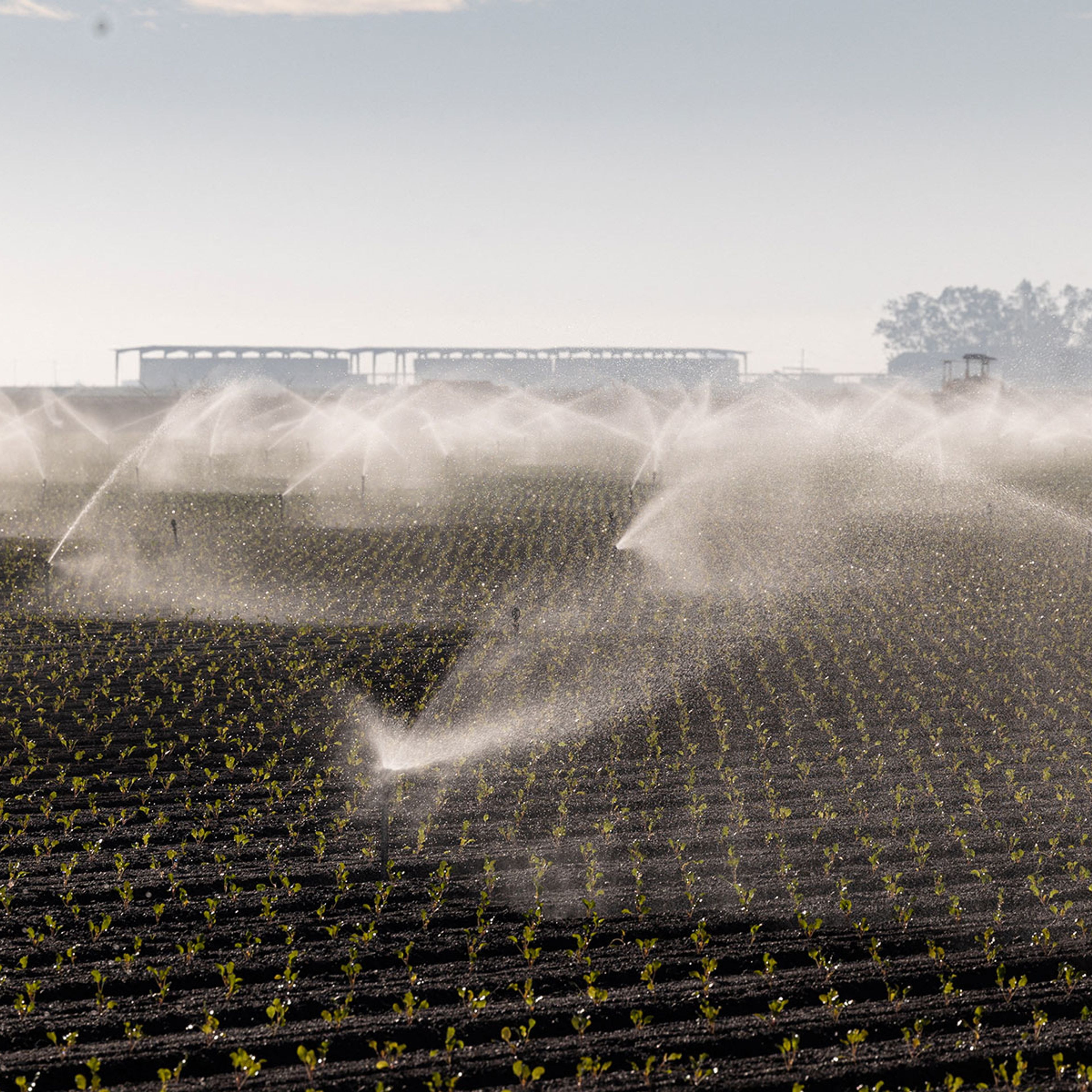
Water supply affects the well-being of every citizen, and yet there are few things about which he is less concerned. He knows that he can step up to a faucet or a public fountain anywhere in the U.S. without the thought entering his mind: “Is this safe to drink?” Very few ever think how the water got there, what keeps it pure, or what keeps it flowing as the demand increases. And while gasoline is 30 cents a gallon, the average price of treated water in the U.S. is 33 gallons for a penny. The public takes such quality and service for granted. But is this blissful confidence justified for the future? The answer is an emphatic no, and for three important reasons.


Comments