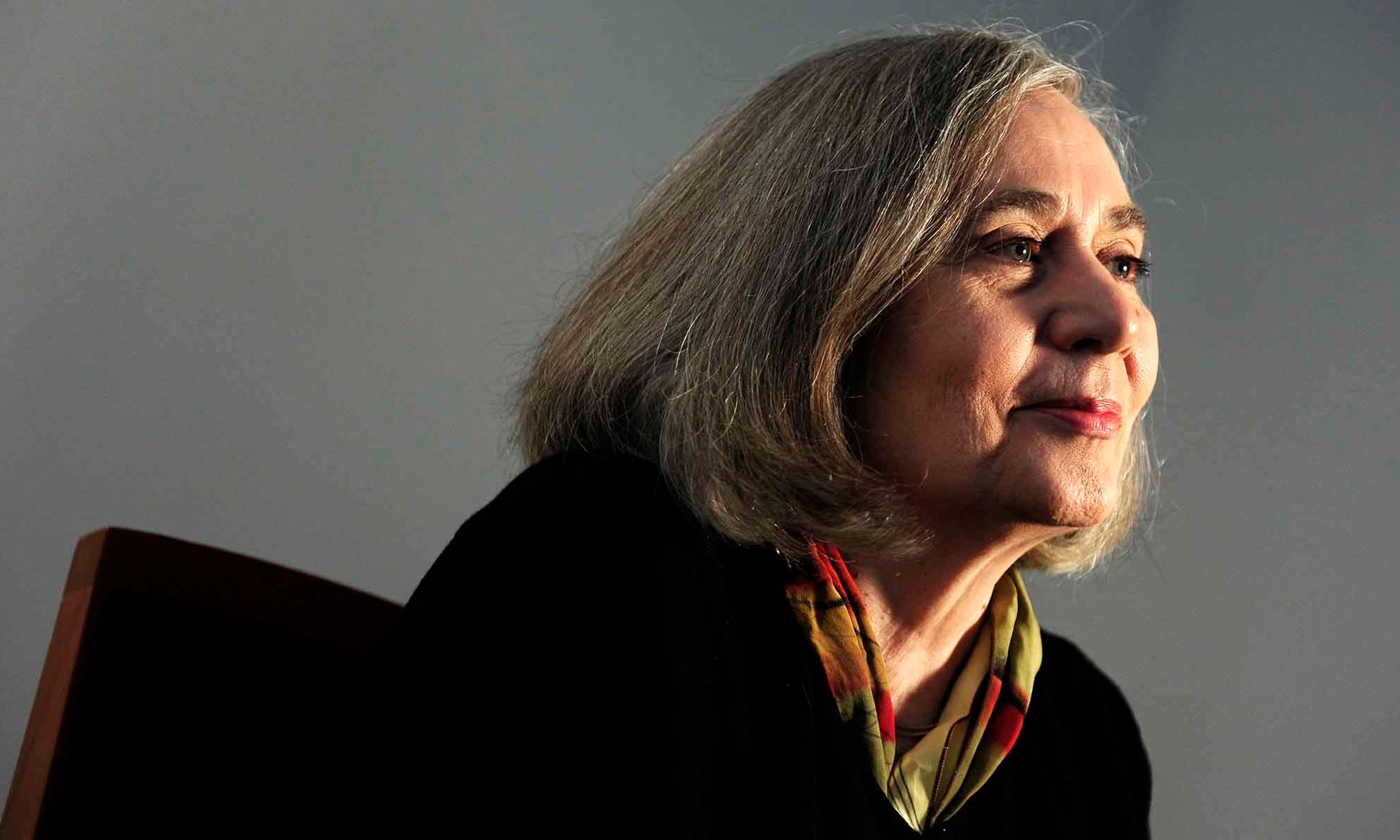
Were he alive today, John Calvin wouldn’t be the first person I would invite to most book clubs. It’s hard to imagine he’d approve of the characteristic goings-on: the overemphasis on rich food and wine, the idle chatter and gossip, the chain-reaction confessions as merlot-flush attendees admit one after the other that, yet again, they didn’t manage to read the actual book. That said, provided a more austere set of book-club members could be assembled, I think Calvin would be exactly the right person to have in the room for a discussion of Marilynne Robinson’s latest novel, which just may be the most theologically serious American novel in recent memory.
To be more accurate, Lila is the most theologically serious American novel to appear on the scene since the publication of Robinson’s two earlier novels Gilead (2004) and Home (2008). Taken together, these three books, which adopt three different perspectives to explore the lives of two plainspoken Protestant ministers and their families in mid-20th-century Iowa, constitute a standout achievement in contemporary American letters. They are as brilliantly accomplished in literary terms — beautifully written, elegantly structured, and filled with striking imagery and moving stories — as they are profoundly convicted in their revelations of what it means to seek and find (and also nearly lose) God, amid the wreckage of fallen and broken lives and the simple splendors of rural American landscapes.











Comments