The Great Depression, by John A. Garraty (Harcourt Brace, 292 pp., $17.95)
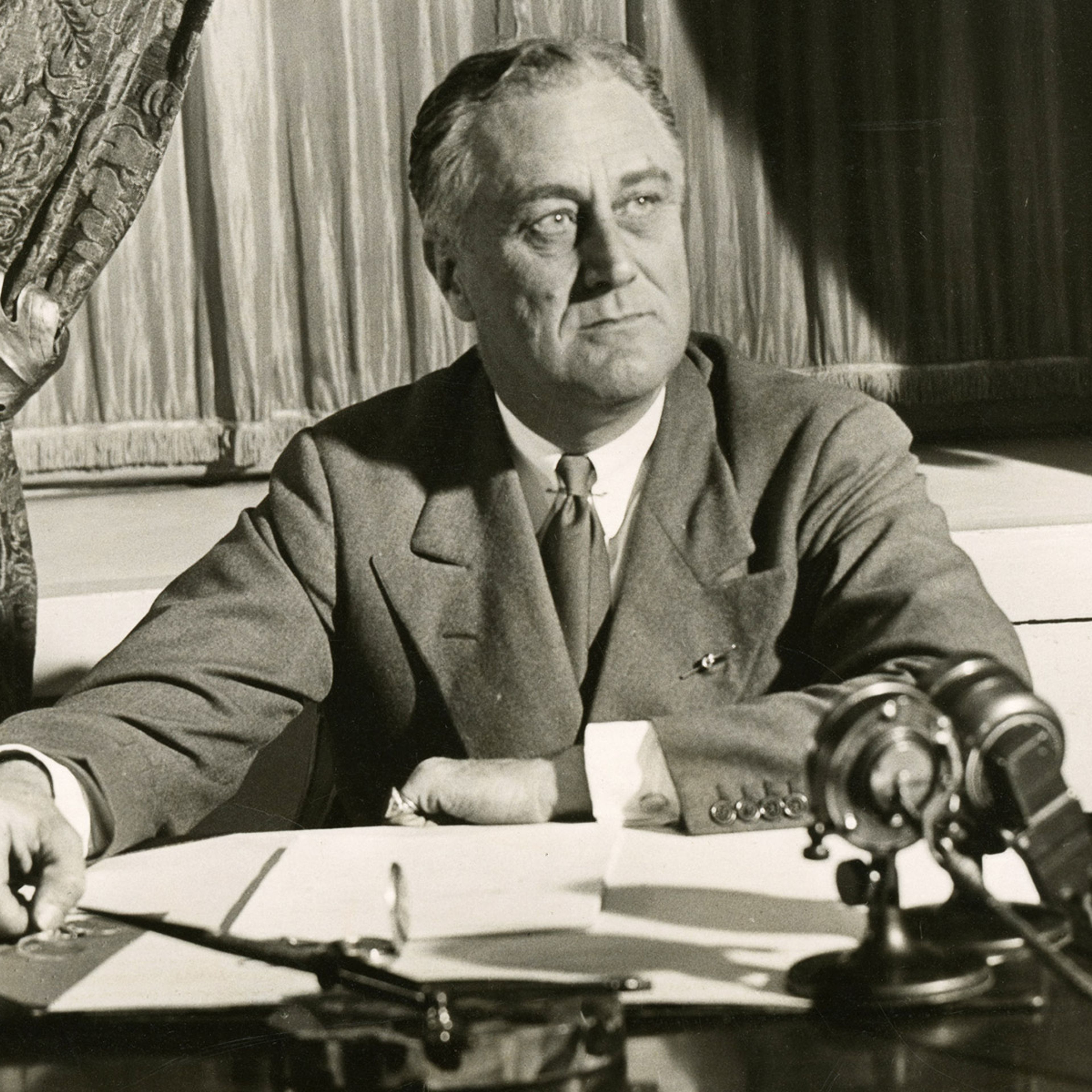
The American historian John Garraty has ventured into the labyrinth of international history to explain the causes, course, and consequences of the Great Depression. He has emerged with answers that are unsurprising at best and unsatisfying at worst. The Great Lost Hero of the Great Depression was—guess who—John Maynard Keynes. Garraty believes that purposeful inflation was a way out of the economic doldrums, and he dubs Lord Keynes “by far the most original of the inflationists,” although he concedes that Keynes’s practical proposals were “by no means original.” They were also never tried, to either Keynes’s or Garraty’s satisfaction. The Great Bogeyman of the Great Depression was—guess what—nationalism. National tariff policies contributed to the economic collapse. National production goals exacerbated international overproduction. National feelings allowed one country to blame another for its economic ills (just as syphilis was once referred to in England as the French pox, in Spain as the Italian pox, and so on). Patriotism got in the way of radicalism. Ultimately, and ironically, national rivalries brought on the Great War, Part II, which brought an end to the Great Depression, Part I. The parties to one of those rivalries, the German-American, came up with amazingly like-minded responses to the problems posed by depression. Roosevelt and Hitler were social and economic opposites who, in turn, appealed to opposites, but the two resorted to similar tactics to reinflate their economies and their subjects’ spirits. Garraty’s most provocative chapter details the parallel strategies employed by the Nazi dictator and the New Deal President. Each mastered the radio to dramatize himself and influence public opinion. Each organized youth programs on semi-military lines. Each idealized rural life. Each adopted a form of “corporatism” to regulate output and prices. And each failed to end the Great Depression—short of a world war. Garraty hesitates to label the New Deal fascistic, but his flirtation with the Nazi/New Deal linkage is the only eye-catching moment in this otherwise unimaginative stroll amid the debris of the Great Depression.


Comments