DAR ES SALAAM Bad Luck Of all the socialist experiments in the new Africa, Tanzania under President Julius Nyerere seemed the purest and the strongest and exuded the most credibility. Today, the country’s economy is in grave difficulty; its industrial ambitions have largely failed; and its people are returning to a subsistence way of life. Tanzania’s sources of credit have dried up as the prices of its export crops—cotton, sisal, peanuts, and coffee—fall on the international market. Its negotiations for loans from the International Monetary Fund have reached the classic impasse with the government’s refusal to accept IMF reforms, and have remained there for the last four years. There is not enough energy generated to keep Tanzanian industry turning over; the country’s three cement plants, for example, are operating at only one-third capacity. Even Tanzania’s showpiece, the Chinese-built railroad to Zambia, which was supposed to open up the African hinterland to development, is still not breaking even. The figures reflect these conditions. The domestic national product fell by 3.2 per cent in 1982. Agricultural production, the backbone of the economy, decreased by more than .8 per cent. Industrial output was down by 25.4 per cent. The annual inflation rate . has reached 30 per cent. None of this has seriously damaged Mr. Nyerere’s position of leadership, however. Tanzanian officials routinely speak of “bad luck” and “economic sabotage.” Meanwhile, there has developed in these circumstances a parallel economy centered on barter for bare necessities, which makes such conceptions as inflation and devaluation academic.
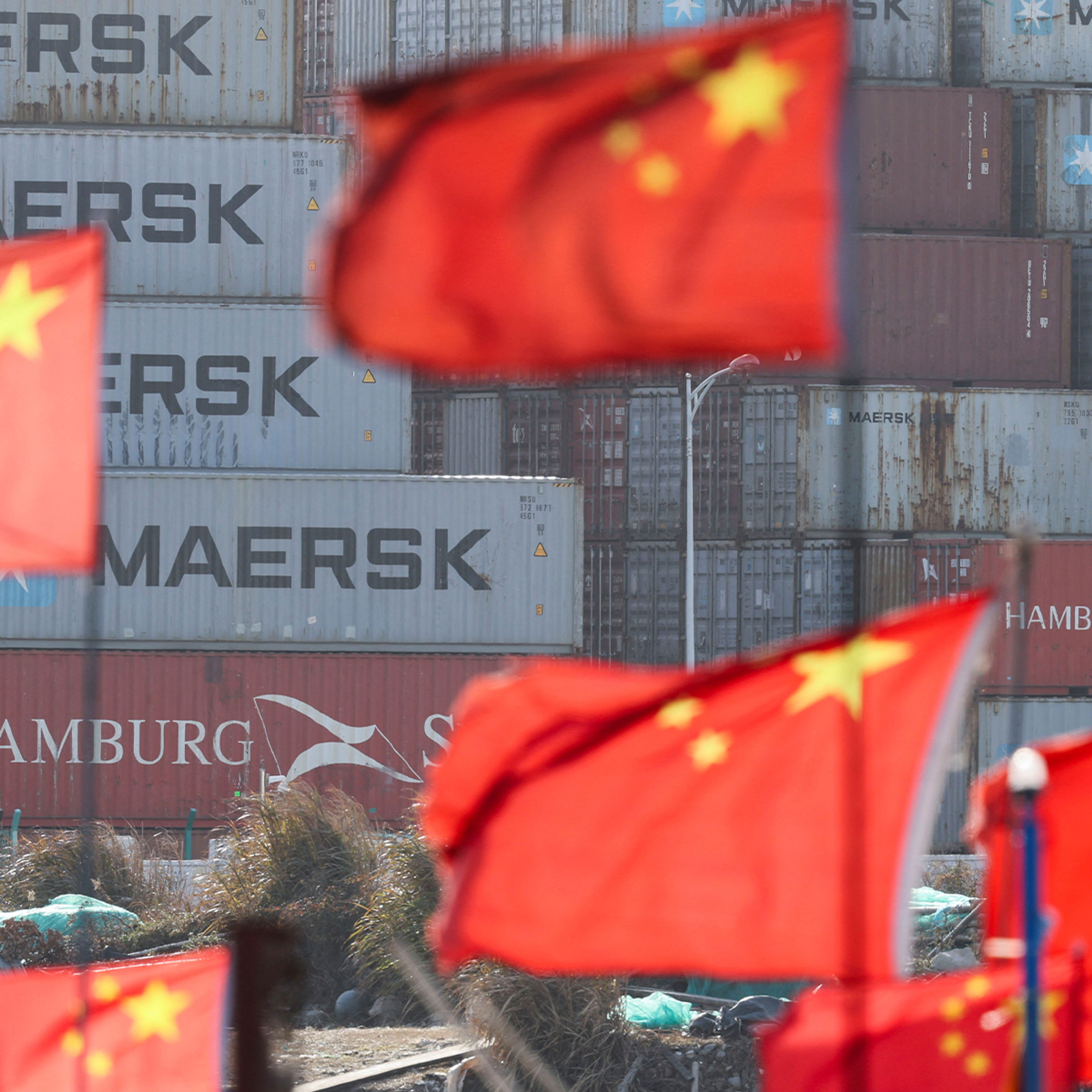
HONG KONG Watch and Wait Ever since negotiations opened between China and Britain about what happens when its lease is up in 1997, the Crown Colony of Hong Kong has become the most anxiety-laden piece of high-risk property in the world. The talks themselves, convening fitfully in Peking, go up and down and backward and forward without foreshadowing as yet any future status for the territory that is not based on outright reversion to the People’s Republic. The British acknowledge the legality of this, but are aiming for the retention of a British “presence” in the form of an administrative role of some kind, at least transitionally. Naturally doubts and fears about its fate strongly influence Hong Kong’s already volatile economy, heretofore a legendary source of profit. So far, the prediction of a high growth rate for the colony of up to 6.5 per cent for the current year is still respected, although there is a worrying lack of reinvestment in the manufacturing sector. At the same time, export growth is also continuing, especially in the form of shipments of electronic goods to Europe and the United States, and the banks are saying there will be a bottleneck in the trade next year if Hong Kong’s manufacturing capacity is not immediately expanded. The bounce and verve that have characterized Hong Kong’s idiosyncratic economy over the years may in fact continue up to the very edge of decision, and even beyond, according to experienced observers here. For the city’s historic role as doorway, counting house, bazaar, and treasury may one day prove as useful to the People’s Republic as it has been to the rest of the world.



Comments