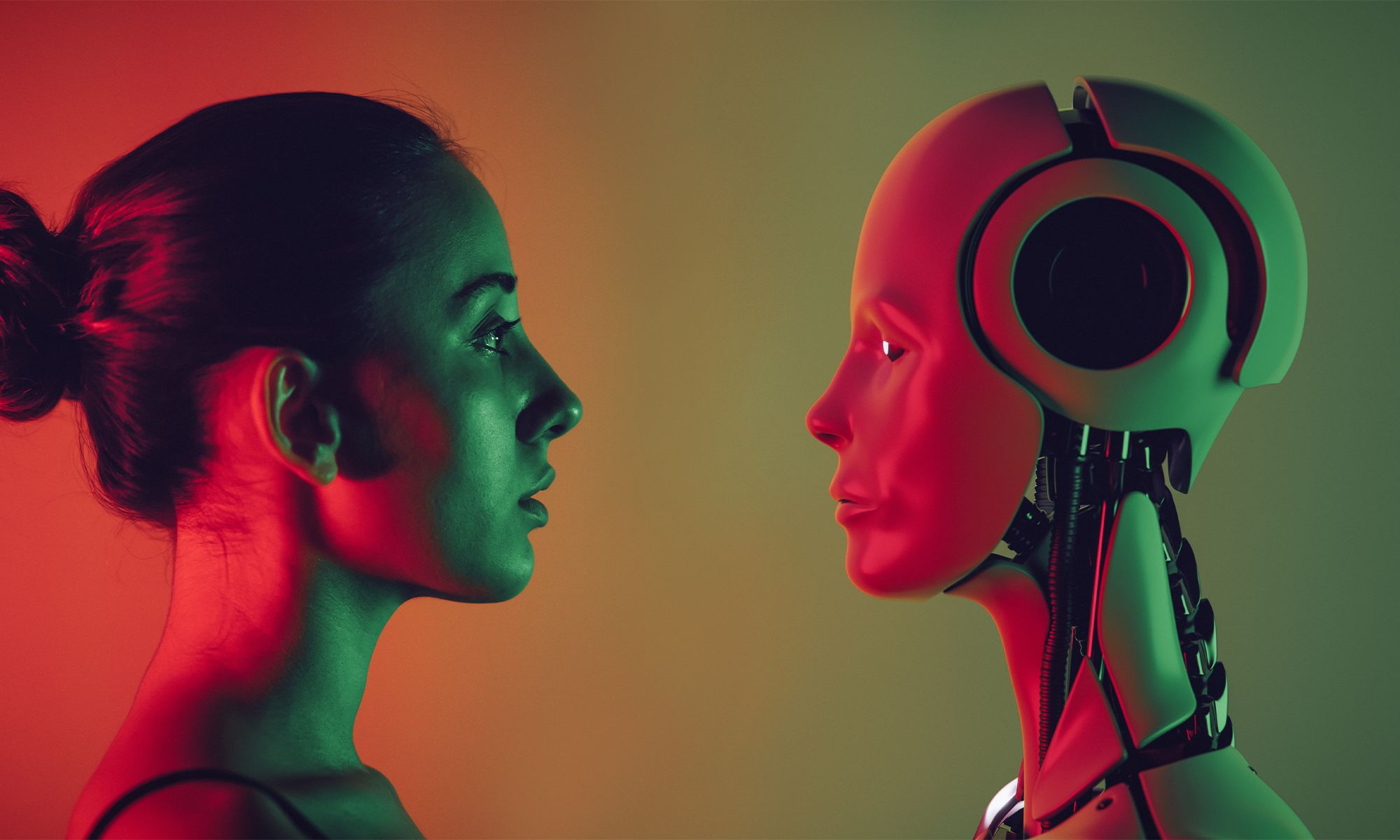
Will artificial intelligence, as promoted today by the leading American technology companies, destroy our society? Apparently so, according to a pair of compelling, eloquent, but not fully persuasive books by David Atkinson and Jill Lepore.
In Our Artificial Future, Atkinson, a former researcher at the Allen Institute for AI and a lecturer on AI ethics at the University of Texas, argues that “we are essentially allowing a handful of companies to reshape fundamental aspects of how information is created, shared, and monetized, often using content created by others without permission or compensation.” He bemoans how “harms will be borne by society as a whole,” because tech companies are allowed “to externalize risks while internalizing the benefits,” as reflected by these firms’ ballooning market capitalizations. Atkinson is refreshingly candid about his priors: “I suppose you could call me an AI critic, but it wasn’t long ago that I was an absolute evangelist.” His road to Damascus crossed the wilds of copyright law, where he discovered what he considered to be the depredations of intellectual property at the hands of large tech companies. Nevertheless, he proclaims, “I still believe AI, including GenAI, can be a force for tremendous good, but I’m far less inclined to think broad societal benefits are inherent or the most likely outcome.”


Comments
On “Brave New AI World”