WE can congratulate ourselves on our good luck in having survived eight years without any national energy policy. The principal events in Bill Clinton’s custodianship of the nation’s energy have been as follows: the failure to get the job-killing “BTU tax” through Congress in 1993, the failure to foist ethanol on a reluctant public in 1994, the throwing open of nuclear-weapons labs to Chinese military intelligence, and the release of 30 million barrels of crude oil from the Strategic Petroleum Reserve last fall.
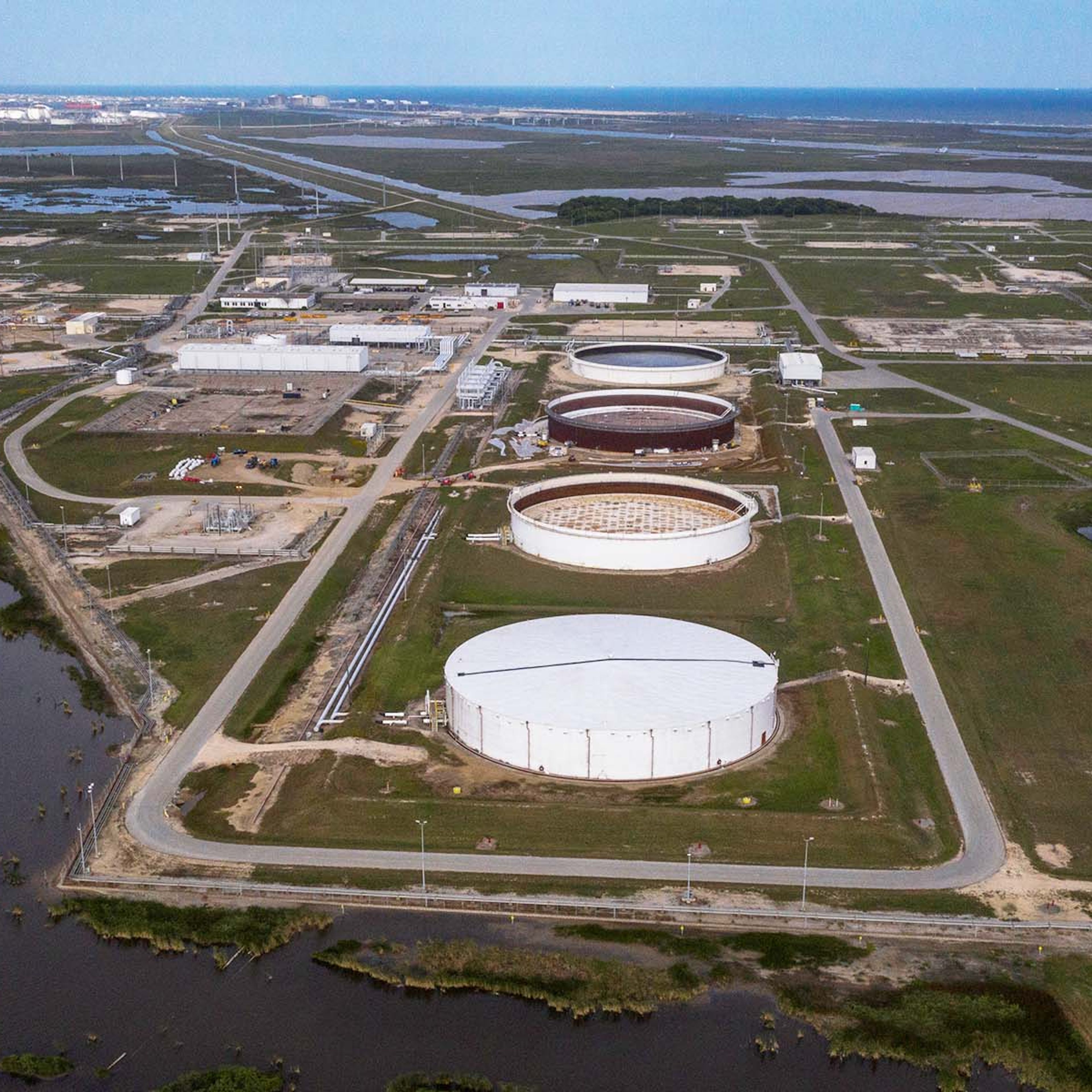
Only the first of these was a matter of actual policy. The others were aspects of those activities that dominated federal decision-making during the Clinton years: campaigning and fundraising. The ethanol fiasco—Clinton’s 1994 executive mandate was ultimately struck down by the federal courts—was driven by the need to appease the farm lobby and major campaign contributor Archer Daniels Midland. The collapse of security at Energy Department labs was made possible by New Class disdain for national-security concerns, but it was also linked to Clinton’s pro-Beijing policies and his fundraising approaches to Chinese and overseas-Chinese donors. (The precise nature of the links is exposed in Bill Gertz’s recent book, The China Threat.) The September 2000 releases from the Strategic Reserve were not in response to any national emergency—the purpose for which the Reserve was established—but rather to assist Al Gore’s presidential campaign.




Comments