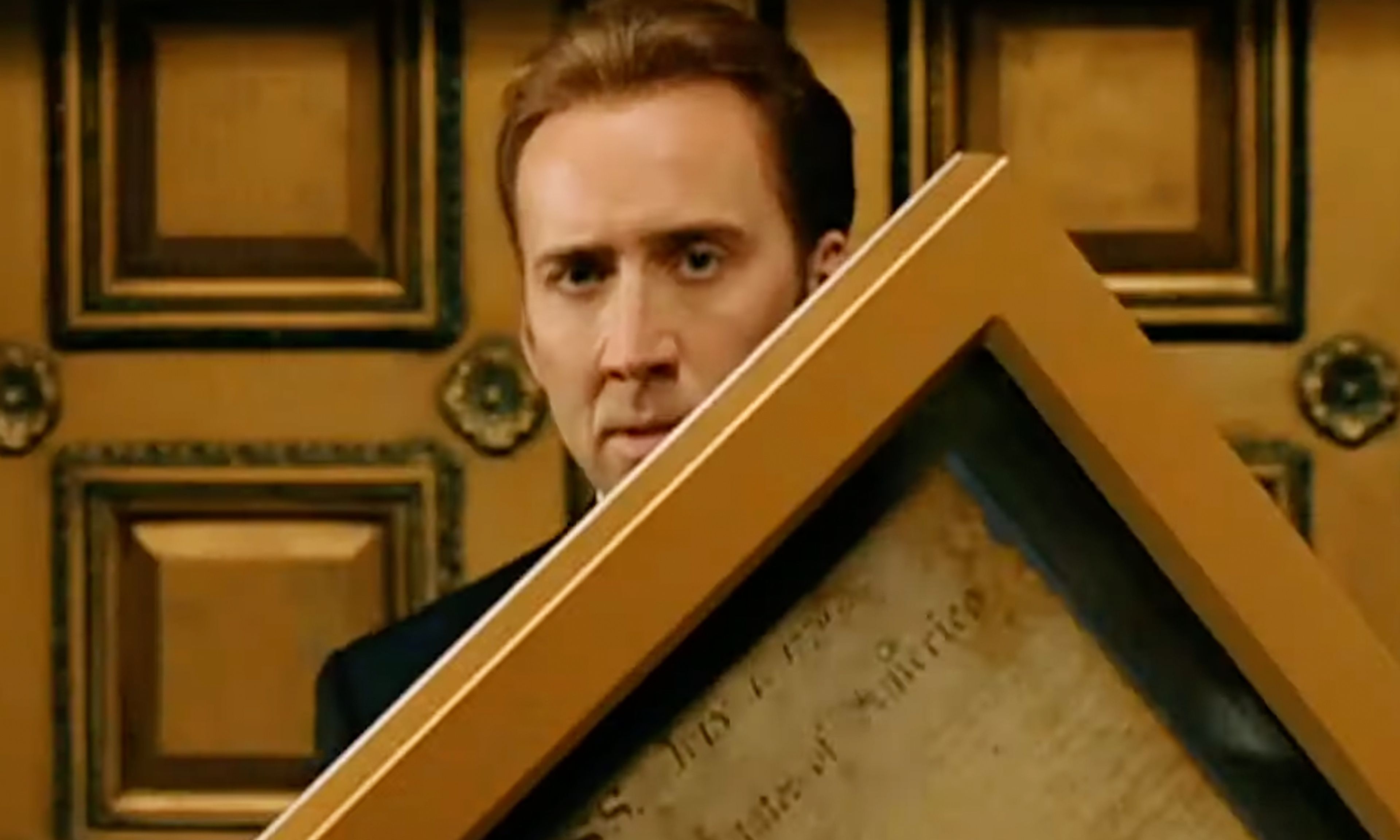
The Founders didn’t think much about the Declaration of Independence. They certainly thought a great deal about independence, which the Second Continental Congress approved on July 2, 1776. That day, John Adams wrote to his wife, Abigail, “will be the most memorable Epocha in the History of America.” Two days later, on July 4, the delegates agreed on the wording of the public announcement: an administrative afterthought. The secretary didn’t even bother to record meeting minutes. It took another month to produce — and for most Founders to sign — the engrossed document that later became iconic. (Who knows what happened to the fair copy written on July 4 in Jefferson’s hand?)
In National Treasure: How the Declaration of Independence Made America (Avid Reader Press / Simon & Schuster, 368 pp., $30), Michael Auslin traces the intellectual as well as screen-worthy locational adventures of the American artifact: from some cellar stash in fervid Virginia in 1814 to Fort Knox under armed guard in 1941. Now it’s in the Rotunda at the National Archives. Every night it drops below our line of sight. A semitranslucent sun. The underground vault where it rests is bombproof and Nic Cage–proof. The British Imperial State Crown, the Sword of Offering, and the Sovereign’s Sceptre, mounted by the starlike Cullinan I diamond, are splendid relics. But it is fitting and proper that the world’s first written republic should revere instead a priceless piece of parchment.





Comments