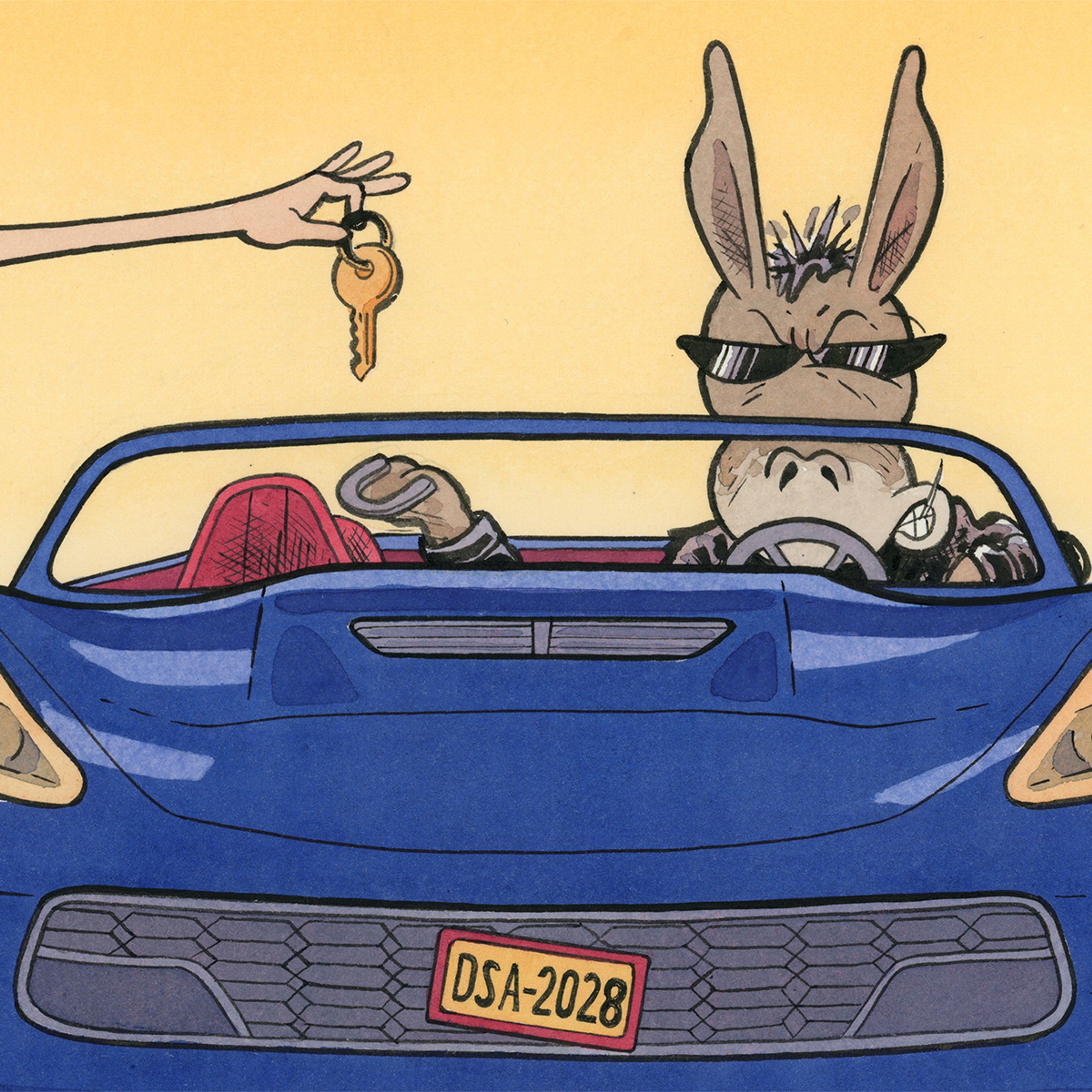
Last February, when then-presidential candidate Al Gore described himself as the “toughest” Democrat of them all, he struck a nerve. “I don’t think he’s the toughest,” bristled Dukakis; “I don’t think he’s the toughest at all.” Dukakis has taken special care to see that the message gets across: He’s one of the new breed of Democrats able to defend America’s interests abroad. “If you listen to a Dukakis speech,” notes The New Republic’s Morton Kondracke, “you’ll hear the word ‘tough’ a lot. I counted once and I think he used it 23 times. But the policy isn’t really tough.” Dukakis, of course, isn’t the only one. As they head for Atlanta, Democrats of alii stripes are aware of how deeply their party has been hurt in presidential elections by what might be called the manhood problem: Can they be trusted to stand up to the Soviets? They have responded with various embellishments on the theme: No more Mr. Nice Guy.
All their macho rhetoric can’t hide this troubling fact: in many areas of foreign policy, the Democrats and the Kremlin seem to have reached a remarkable consensus, matter what basketful of foreign-policy issues one selects, a large number of Democratic leaders support the Soviet position most of the time. To test this assertion, we created the Gorbachev rating, which, in the great American tradition of political rankings, compares, on key contested issues, how wel For badly American leaders perform from the Soviet point of view! What we found KS startling: every Democrat we surveyed had a rating of at least 50 per cent. And many. Democrats—such as Michael Dukakis, Paul Simon, Gary Hart, and Jesse Jackson—compiled Gorbachev ratings of 700 cent. Without casting aspersions on their patriotism, it is nonetheless true that many in the American elite can be described as following a pro-Soviet foreign policy in this limited and objective sense: on key controversies, the Soviet position tends to be theirs.



Comments