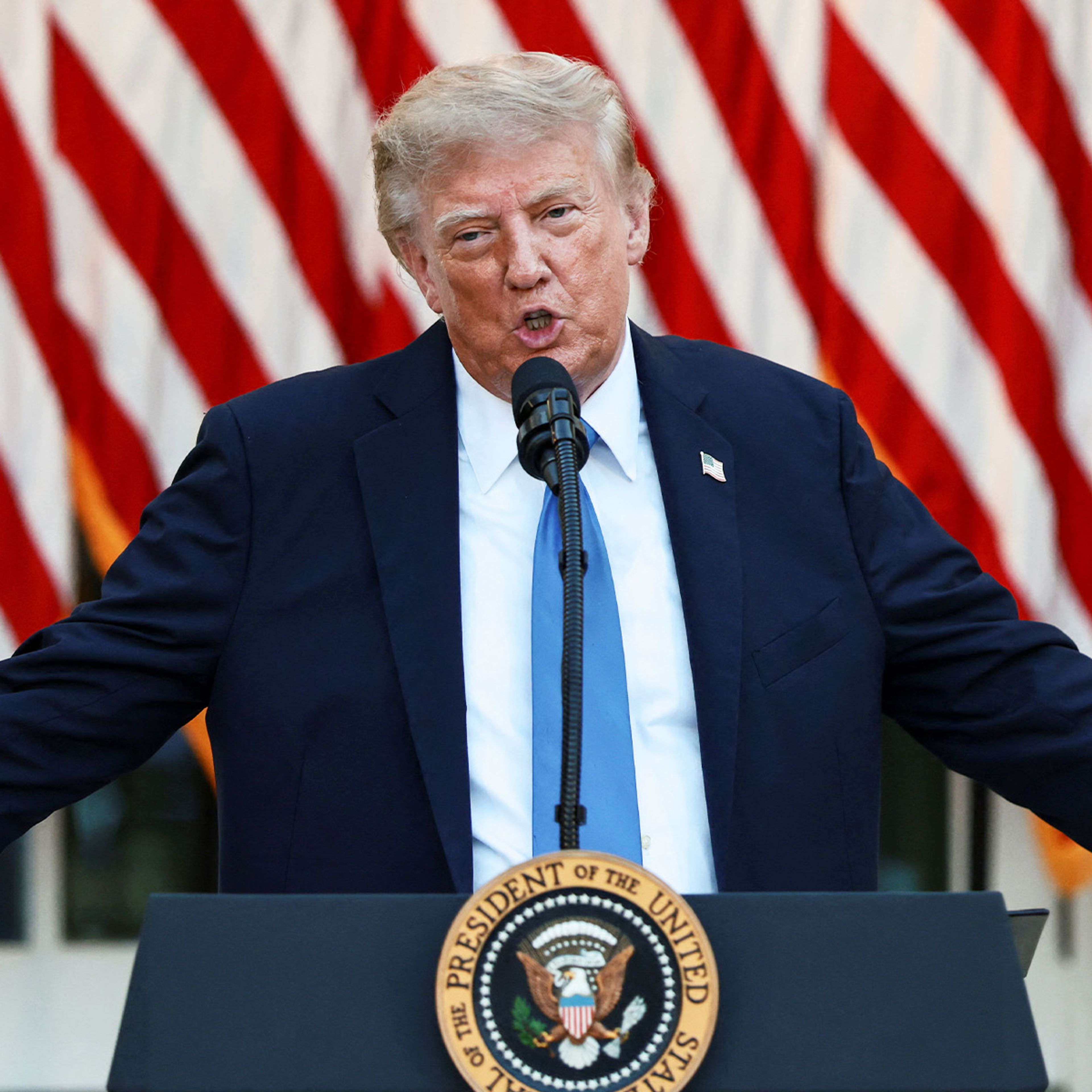
SINCE taking office, President Bush has repeatedly voiced strong support for free trade—often in stirring terms. In a May 7 speech before the Council of the Americas, for example, he declared: “Open trade is not just an economic opportunity, it is a moral imperative.” Yet not quite a month later, on June 5, the president announced that he was initiating a “Section 201” investigation that could end up imposing comprehensive import quotas on foreign steel. Whatever happened to that moral imperative?
The sausage grinder of domestic trade politics, that’s what. The Bush administration has mapped out an ambitious agenda of trade negotiations: at the bilateral level, deals with Chile, Singapore, and others; at the regional level, a 34-nation Free Trade Area of the Americas; and at the global level, a new round of talks at the World Trade Organization. But to negotiate successfully at any level, the administration needs a grant of “trade promotion authority”—TPA, formerly known as fast track—from Congress. Such a grant commits Congress to an up-or- down vote on trade agreements, thus assuring other countries that the deals they strike with the U.S. executive branch won’t be rewritten by the legislative branch.
Comments