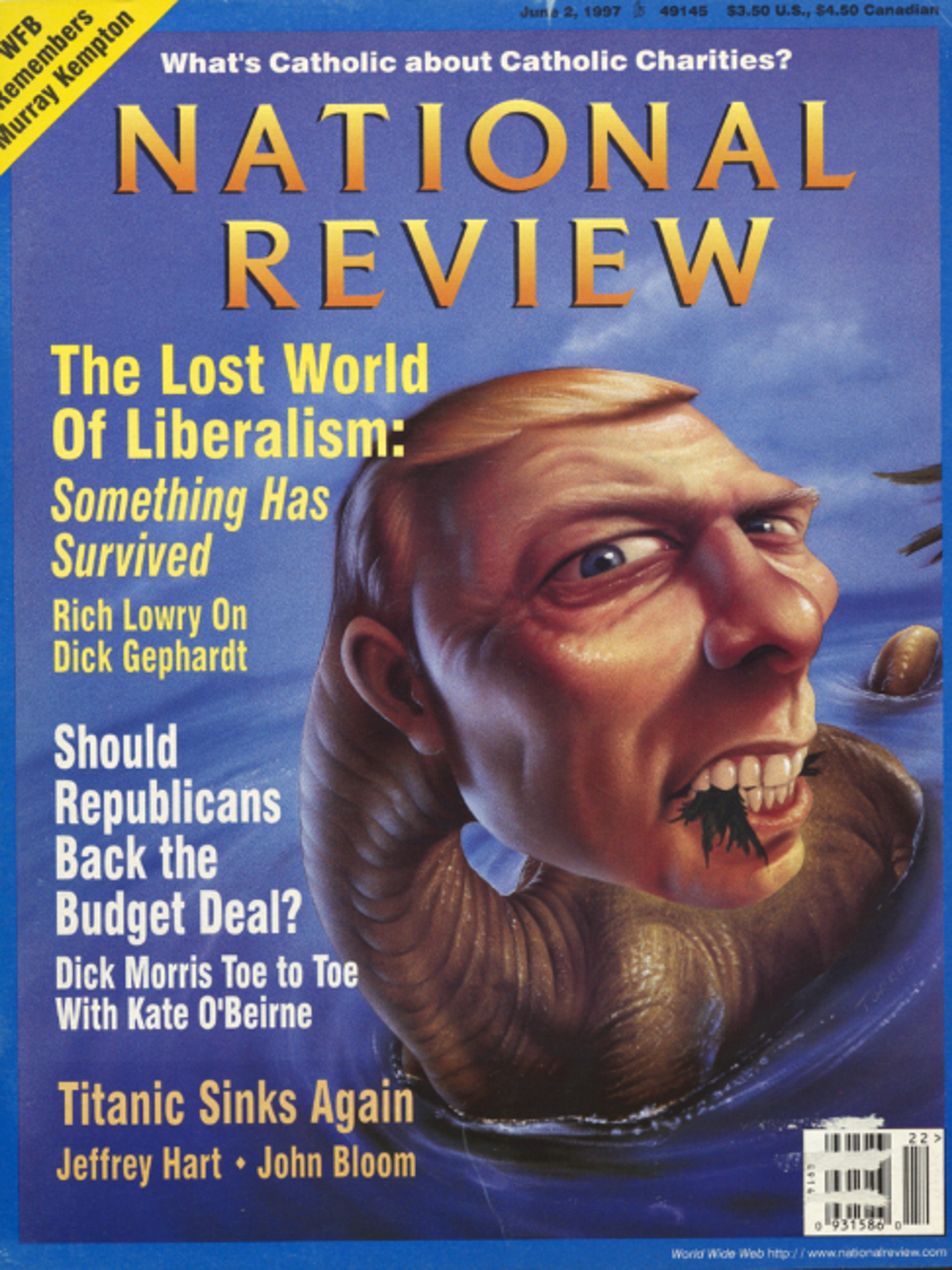
IN the fall of 1985, an ambitious fifth-term congressman wrote an article for the Cato Journal-a publication of the libertarian Cato Institute -inveighing against tax loopholes. As entitlements and defense spending grew, the congressman explained, “The only place we politicians could find to spend money was the place that nobody noticed-the tax code.” So, “Different groups of individuals were handed tax breaks, tax goodies, loopholes, incentives, or whatever you want to call them. In essence, what was taking place was a forgiveness of taxation in return for a change in some kind of behavior.”
All of this was a bad idea, he argued, because no one knew the ultimate consequences of the meddling, and it distracted from the goal of keeping tax rates low. By a year or so later, Rep. Dick Gephardt, chairman of the House Democratic Caucus, presidential aspirant, and former Cato Journal contributor, had gone AWOL from Sen. Bill Bradley’s tax-reform bill, which he himself had co-sponsored, and that sought the simplified tax code about which he had written so earnestly. Gephardt was too busy campaigning in Iowa, talking up ideas like mandatory agricultural production controls.





Comments