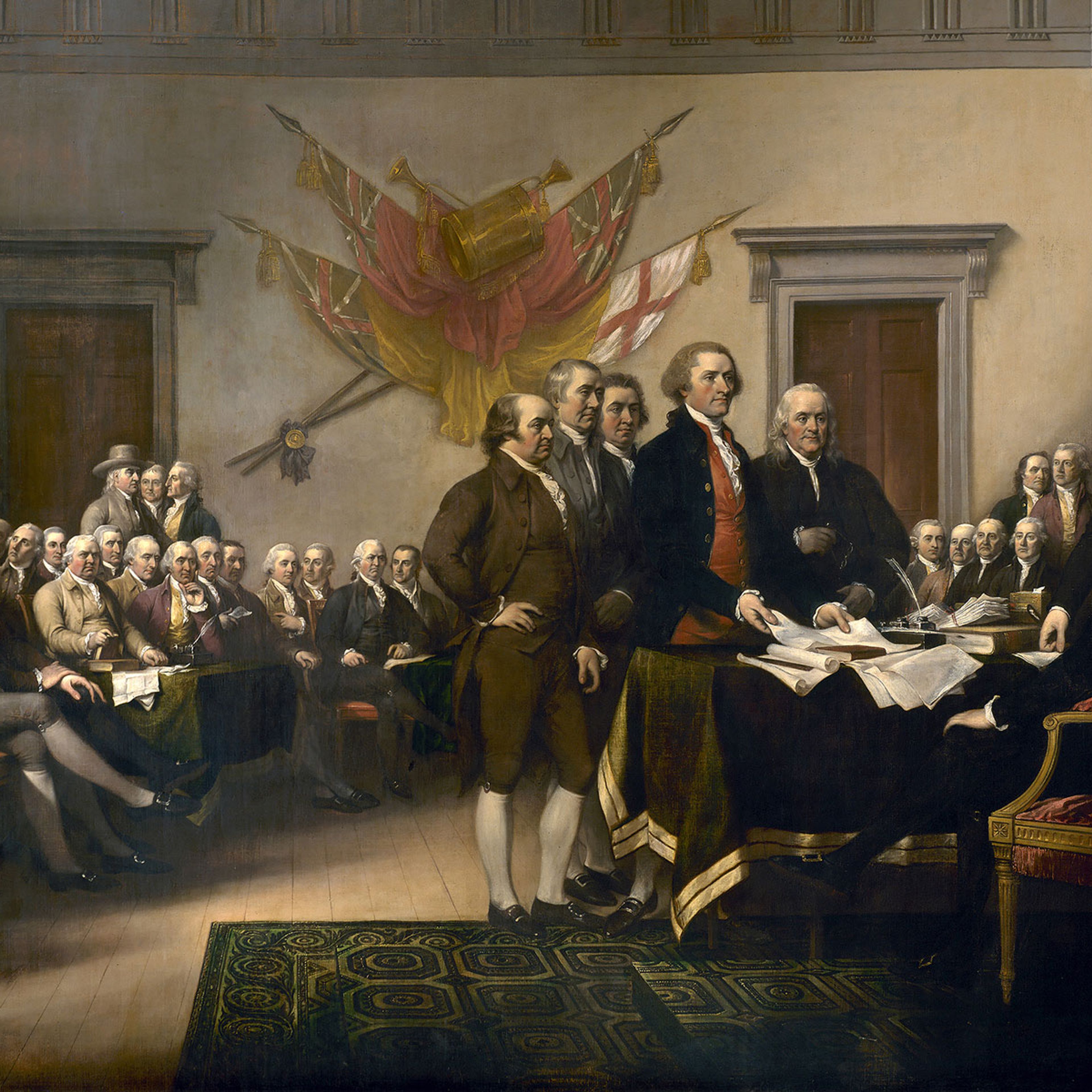
One of the great mysteries of the American educational system is that it has never sought to stimulate the slightest curiosity about the Englishman whose thinking provided the “party line” of the American Revolution. We know the name of John Locke; we know that he set forth certain ideas about government as the guarantor of “life, liberty and property” which were “hackneyed” up and down the colonies (John Adams’ description) until Thomas Jefferson “edited” them for the Declaration of Independence. But of the man behind the Second Treatise on Civil Government we have long had only the most meager details.
The reason is partly due to misplaced patriotism (we prefer to take our Founding Fathers straight). But there are other factors, as Maurice Cranston’s recent John Locke: A Biography (Macmillan, $8.00) reveals. For one thing, Locke himself was a most secretive man. He left a whole escritoire full of papers, which remained beyond the reach of scholars until the Bodleian Library of Oxford bought them some ten years ago and opened them up to researchers. The delvers into the so-called “Lovelace Collection” and other deposits of Lockeana discovered many a puzzle: Locke used a modified system of shorthand for purposes of concealment, he employed curious ciphers, he cut signatures and identifiable names from his letters, and he even used invisible ink. During his lifetime Locke had insisted on anonymity for his letters on tolerance and his treatises on government. This passion for remaining a “background” figure was still having its effect some 250 years later when Mr. Cranston finally dared the hard labor needed to dissipate the fog.


Comments