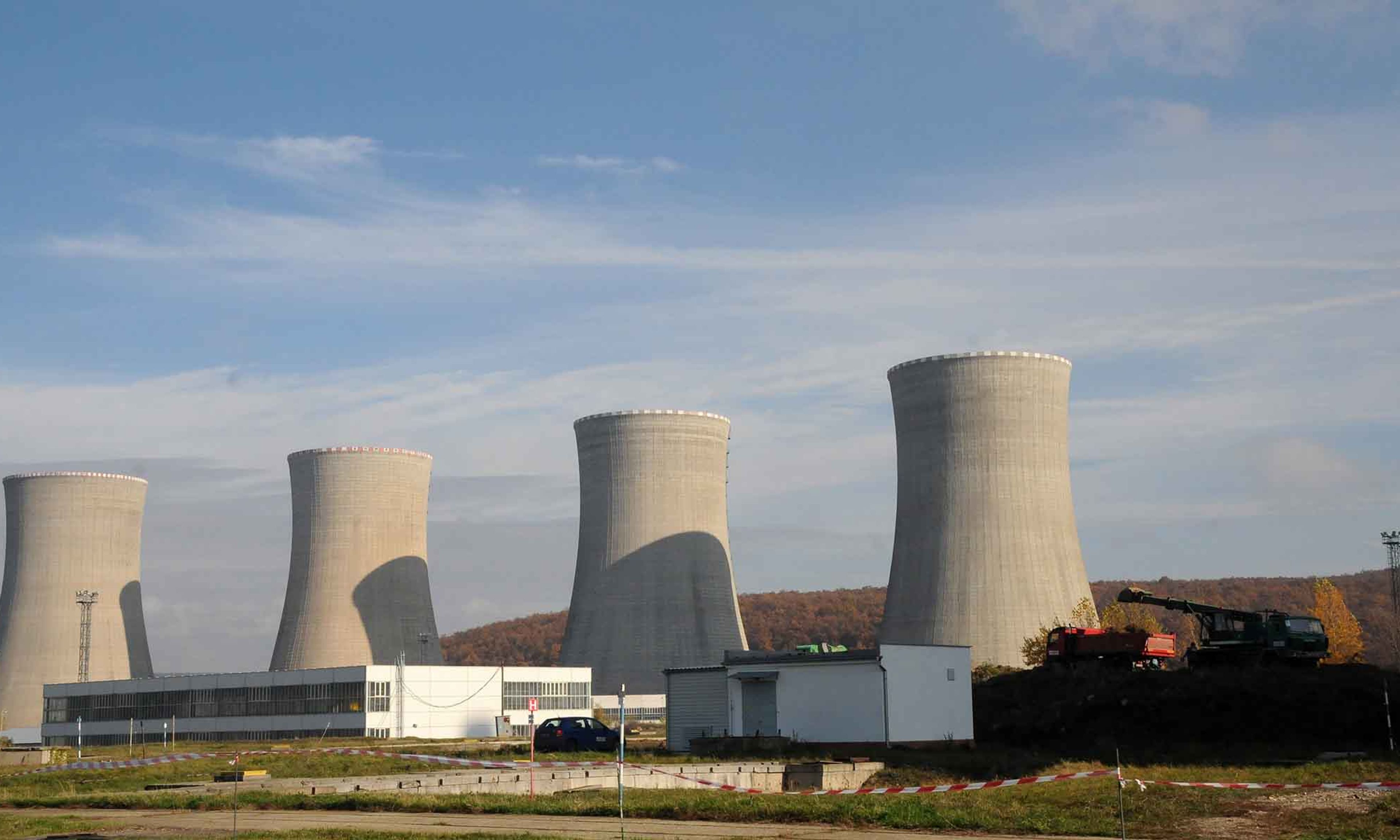
Fittingly for a book about nuclear energy, William Tucker’s latest work is a bit like uranium: It contains a vast amount of material, packed tightly into a small space, which, if released into the population at large, could generate substantial energy. Like nuclear energy, it is not without its problems, but they are easily overcome. And it will go down like a nuclear bomb with environmentalists, because it ably demonstrates that their energy arguments are worthless.
Tucker neatly divides energy sources into two types: solar and terrestrial. For virtually all of mankind’s history, we have derived our power from the liberation of solar energy — energy from the sun’s rays that has been captured by plant life. Initially, we used wood, releasing its stored solar energy in the form of fire. More recently, we discovered a much more concentrated form of solar energy in fossil fuels: coal, oil, and natural gas. The amount of concentrated solar energy in these fuels is amazing. One gallon of gasoline can propel a 3,000-pound vehicle for about 30 miles, a task that would exhaust large numbers of human beings.











Comments