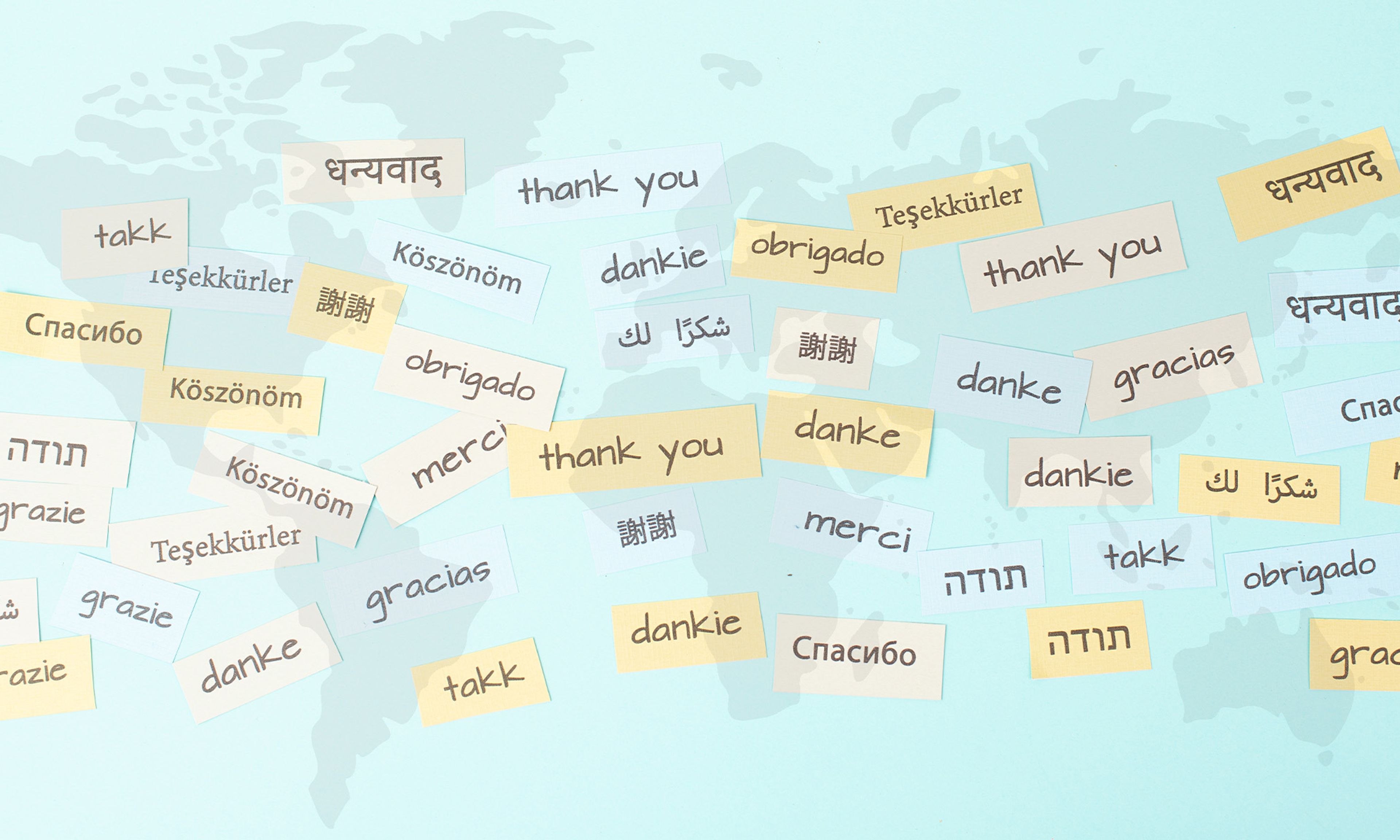
Half the world’s population now speaks a type of Chinese, Spanish, or English as a native language. (French comes in 22nd.) That’s remarkable when you consider that there are 6,000 to 7,000 languages globally — nobody knows the precise number. Most of these are spoken by fewer than 10,000 people, and 90 percent of these languages are threatened with extinction by 2100. Two-thirds of the world’s endangered languages are found in Asia or Africa, but many exist in North or South America.
There are stages to most language deaths. Although there is a phenomenon called “sudden language death” — usually resulting from genocide or a horrible population-wide disease — the vanishings normally occur quite gradually. In the typical “gradual language death,” the decline starts when a language comes into contact with a dominant language. During this phase, the ancestral language community often shores up efforts to teach the old language to children. In this endangerment stage, teaching plods along and children resist acquiring the old language. It then becomes critically endangered when it’s unlikely to survive another generation. In the final stage, a language dies with its last proficient speaker. Only “rememberers” are left: those who recall greetings, goodbyes, and a few ritual passages, but no more.











Comments