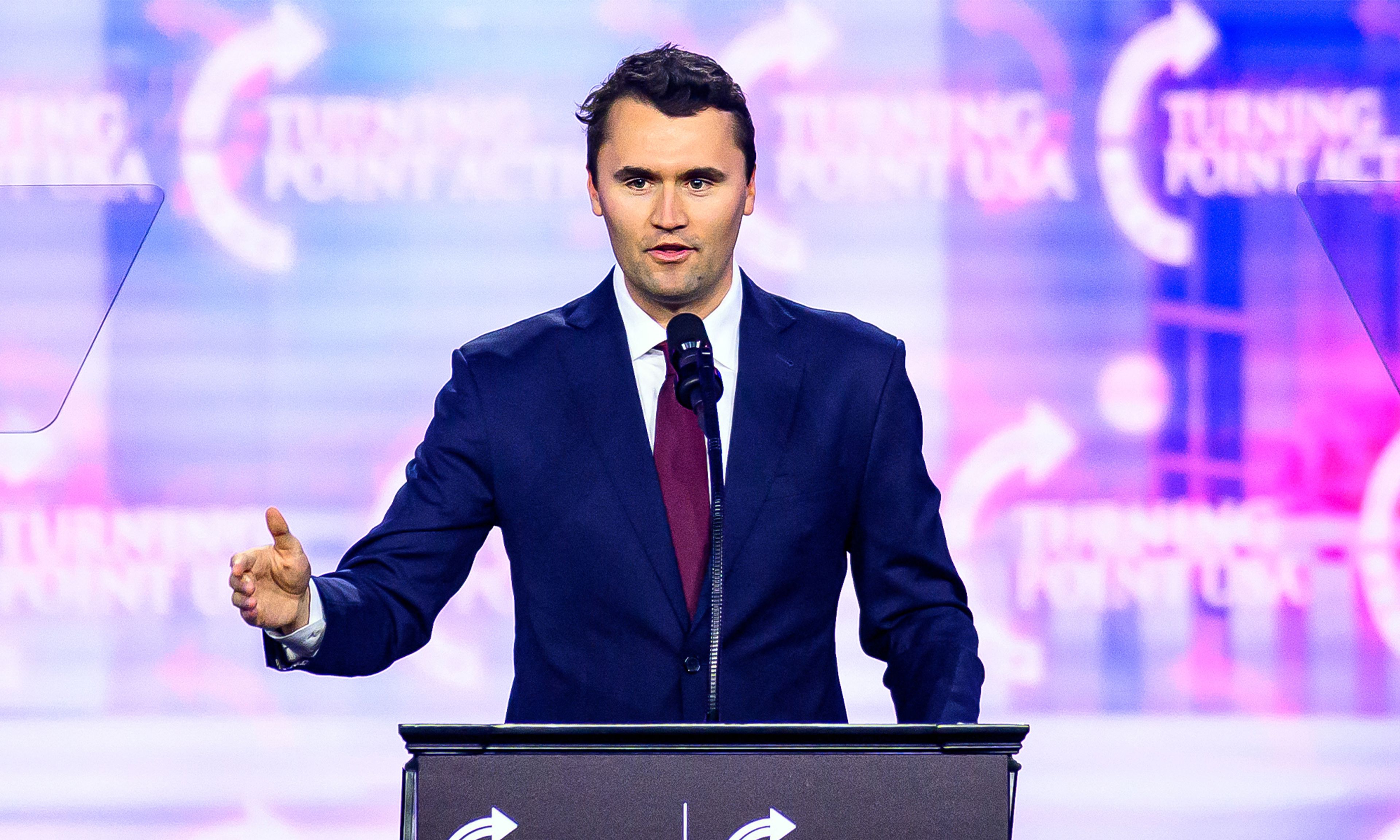
The first waves of response to the brutal public murder of Charlie Kirk tended toward the personal. Many influential figures in our public life knew Kirk, and many more had been shaped or inspired by his work. Even many of his critics understood his assassination in terms of Kirk’s prominence and persona, or the place he held in our politics.
But most Americans did not know Charlie Kirk personally or follow him online. It is reasonable to assume that the average American had never heard his name until he was assassinated. And yet Kirk’s killing at Utah Valley University should matter to those Americans, too. His murderer evidently sought to strike at Kirk for expressing views the killer thought abhorrent. In doing so, his murderer therefore also struck at the foundations of a political order that is utterly essential to the flourishing of the average American — indeed, to the very possibility of living a life in which you do not have to know the names of influential public figures to be free.











Comments