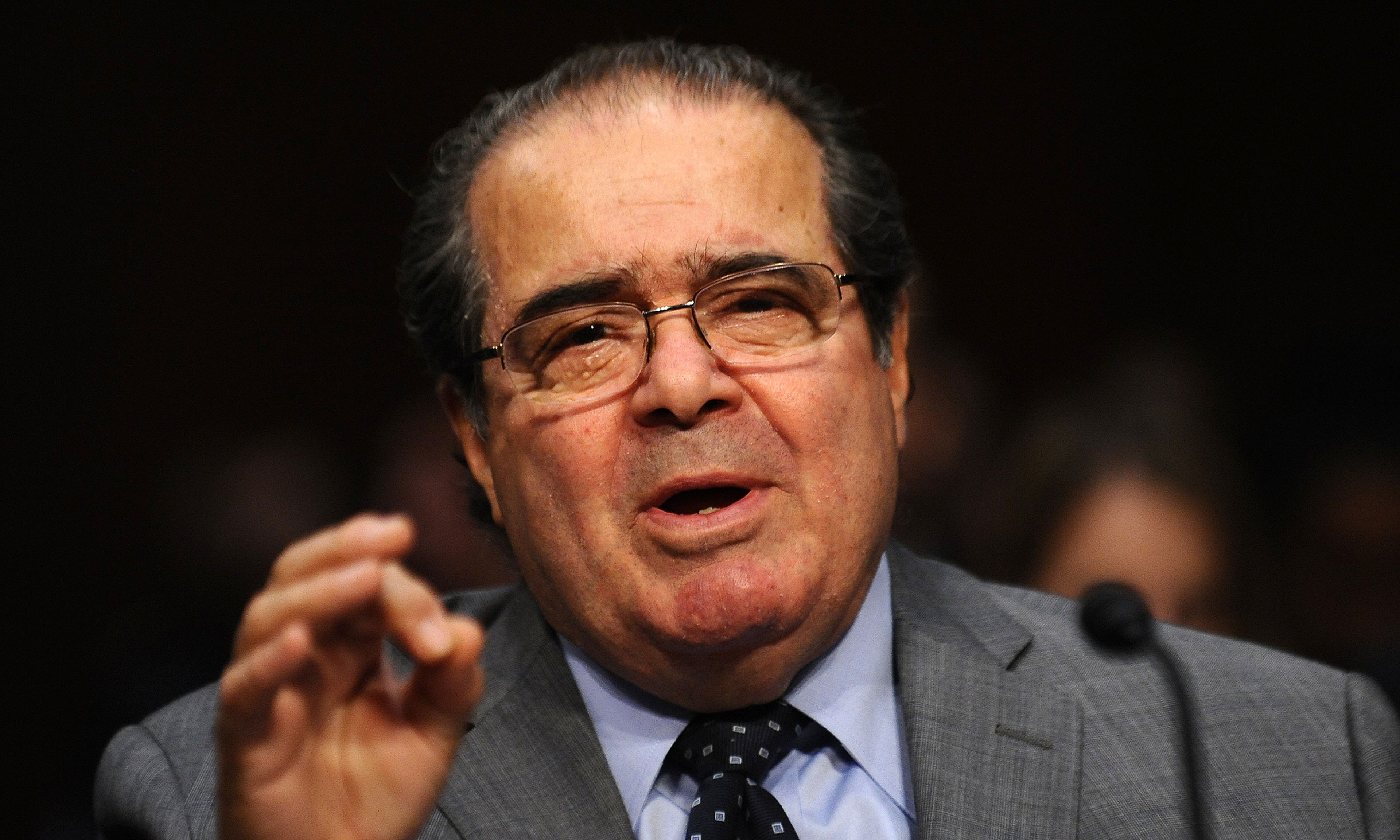
More than any other person, Justice Antonin Scalia deserves credit for the fact that originalists now dominate the federal courts. Today’s originalists frequently pay him homage. On one important issue, though, the students have rebelled against the teacher. Many originalist justices, scholars, and legal activists think that Scalia got religious liberty wrong.
In 1990, Scalia wrote the majority opinion in Employment Division v. Smith, a case in which two unemployment counselors sued over being fired for what they claimed was their religious use of peyote. They believed that the First Amendment granted them a right to an exemption from the laws against drugs: that applying those laws to them infringed on their free exercise of religion. A Supreme Court ruling from almost 30 years earlier strengthened their position. In Sherbert v. Verner, Justice William Brennan had written that to override a believer’s convictions, governments must show that a law serves a compelling interest.











Comments