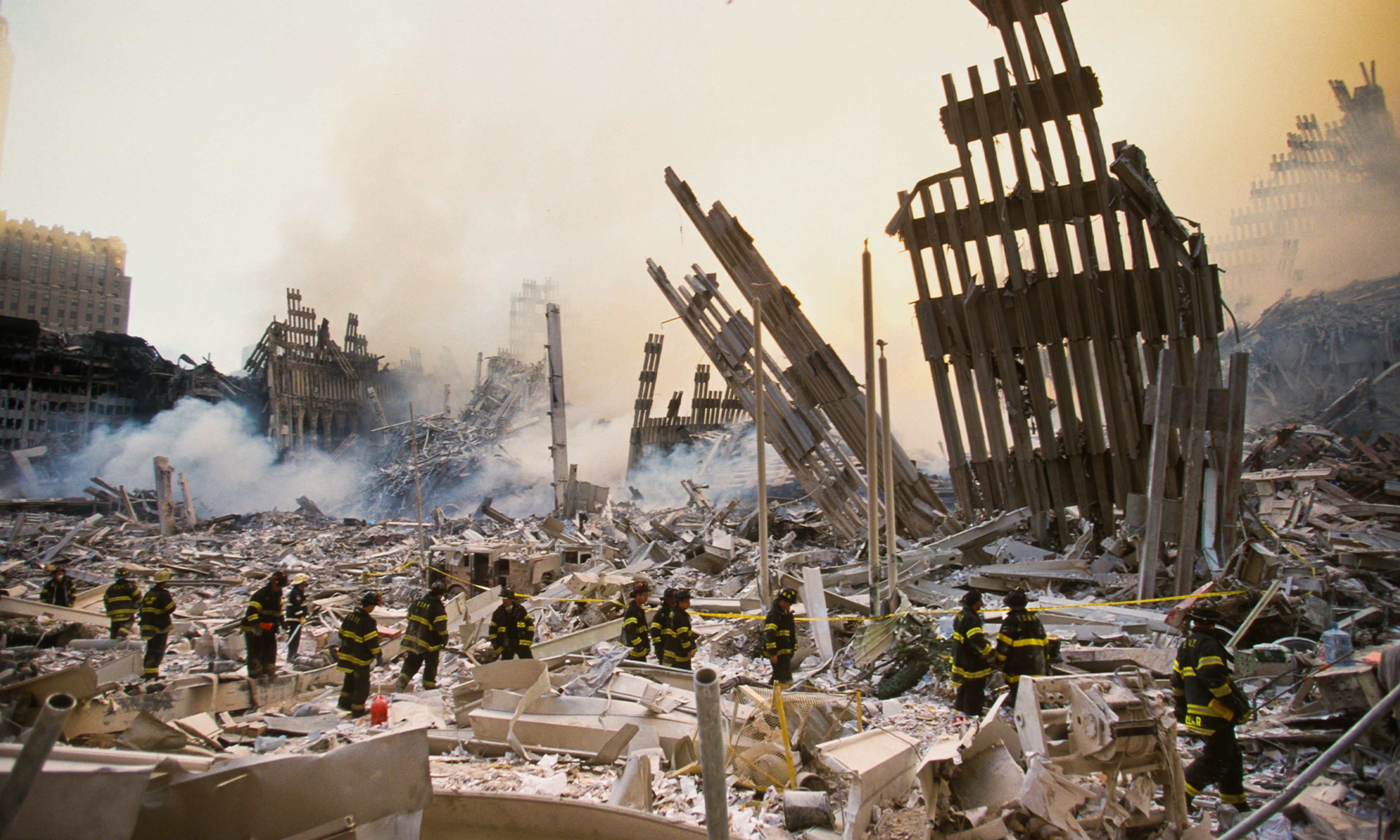
Aquarter century ago, it would have been inconceivable that by the 25th anniversary of the 9/11 attacks, the United States government would have allowed its statutory foreign intelligence surveillance authority to lapse. The imperative of gathering information about enemies overseas — in particular, terrorists who’ve never stopped plotting to mass-murder Americans — was then self-evident.
Nearly 3,000 Americans had been slaughtered by alien jihadists. Their suicide-hijacking conspiracy had gone mostly undetected, even though it had taken two years of methodical planning, communications, and funding transfers between operatives on the ground in the U.S. and their top superiors overseas, Osama bin Laden and Khalid Sheikh Mohammed, respectively al-Qaeda’s emir and its 9/11 mastermind. These two orchestrators were hardly unknowns. Since 1996, KSM had been under a Justice Department indictment for the “Bojinka” scheme to explode airliners in flight. Bin Laden, a wealthy former leader of the Afghan mujahideen’s 1979–89 jihad against the Soviet army, had begun openly declaring war against the United States in 1996. By June 1998, he too had been indicted — and that was two months before he directed the bombings of American Embassies in Kenya and Tanzania, killing at least 220 people. Two years later, his network bombed the USS Cole while it was docked off the coast of Yemen, killing 17 American sailors and nearly sinking the destroyer.











Comments