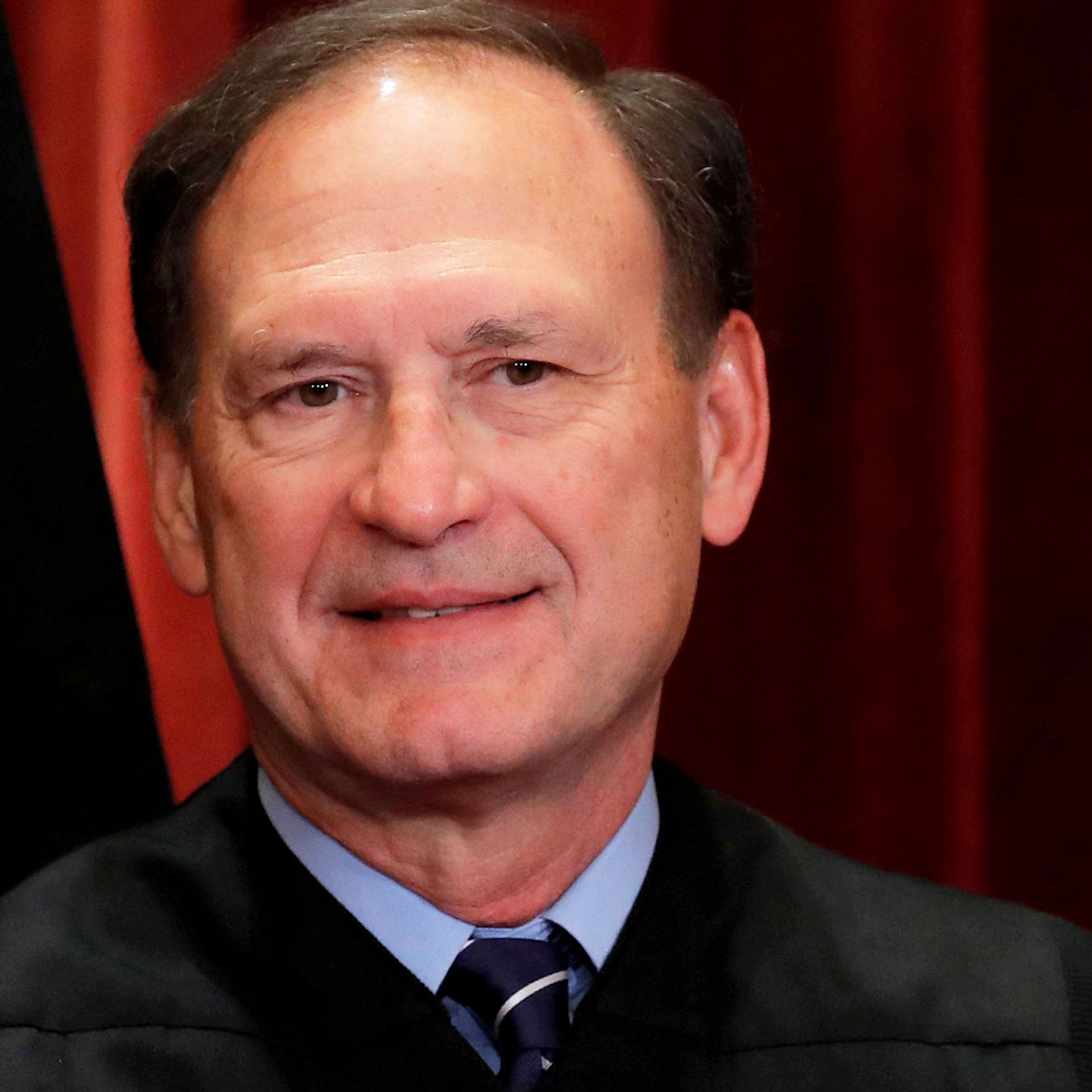
A LL across the political spectrum, observers have recognized the pivotal significance of Samuel Alito’s nomination to the Supreme Court. With Judge Alito replacing Harriet Miers as the likely successor to the meandering Sandra Day O’Connor, President Bush has set the stage for a debate about a fundamental shift in the direction of the Court. Yet in order to fully appreciate the gravity of the confirmation battle that is about to ensue, it is first necessary to understand the distressing course the Court has taken over the past 35 years.
By 1972 President Nixon had placed Justices Burger, Blackmun, Rehnquist, and Powell on the high court. He did so after making the judicial activism of the Warren Court a major campaign issue. Since then, Republican presidents have appointed seven justices, all for the announced purpose of curbing the tide of judicial activism. Even President Clinton’s two appointments, Stephen Breyer and Ruth Bader Ginsburg, were presented as moderates who would refrain from adventures on the bench. In short, for roughly three-and-a-half decades, the politics surrounding the Supreme Court have been dominated by promises of judicial restraint. During that time the Court has been packed with Republican nominees, and we have heard continuously-from presidents and nominees alike-that judges should not make the law, but rather simply apply it.




Comments