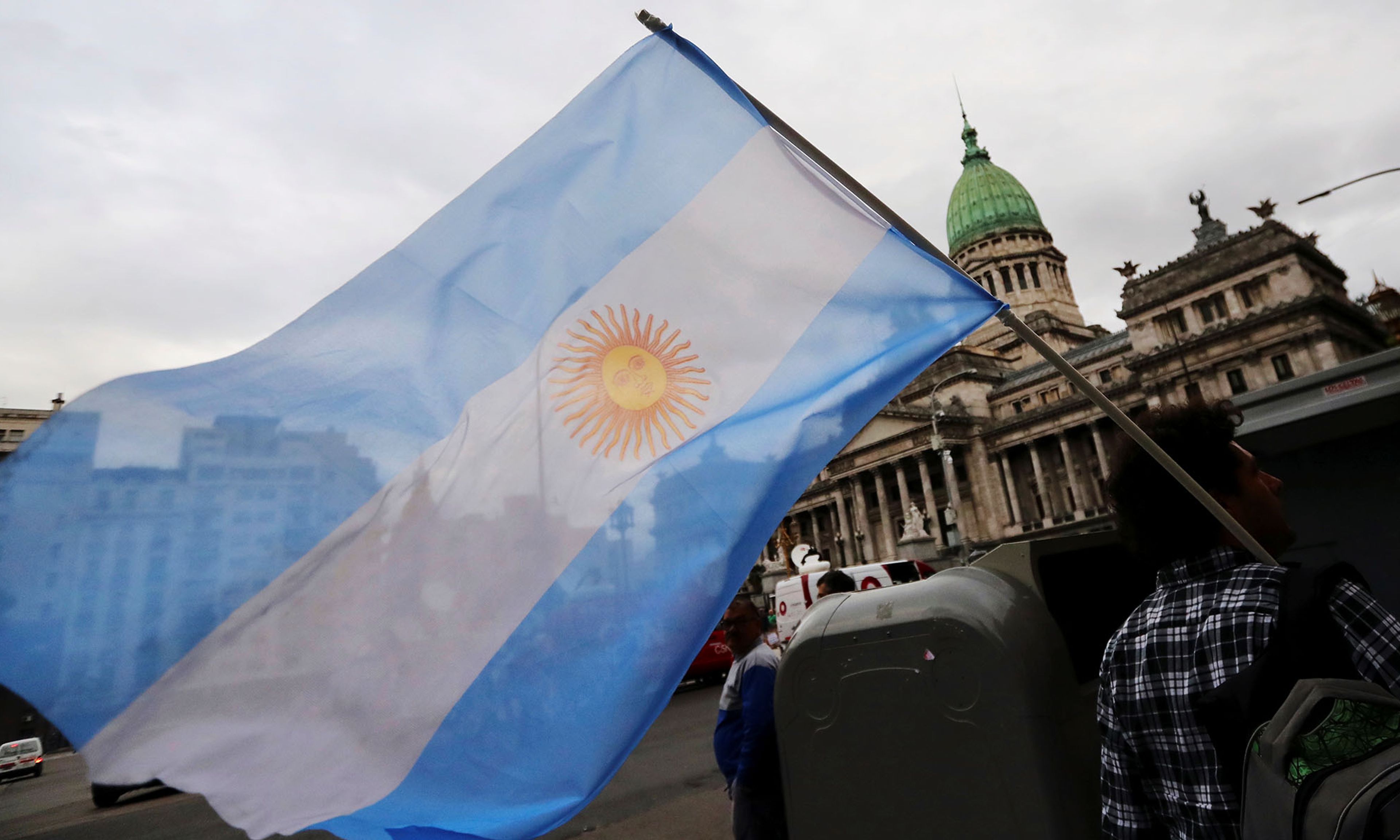
If you want to understand why Argentina’s Cristina Fernández de Kirchner triumphed quite so conclusively (with 54 percent of the vote against 17 percent for her nearest challenger) in October’s presidential election, the University of Buenos Aires’s Museum of Foreign Debt is a splendid place to start. That such an institution exists says nothing good about Argentine financial history. What it contains suggests yet more turbulence ahead.
The museum is a showplace for an unconvincing national alibi. Argentina is innocent and maligned, its tale not one of squandered wealth, but of victimhood, as it is repeatedly plundered by Anglo-Saxon (of course!) financiers, helped in later years by their stooges at the IMF. Under Juan Perón, however, things had been different. During the Peronato, the foreign debt was repaid. Indeed it was, but (as is not explained in the museum) that owed more to the capital surpluses built up during World War II than to Peronism’s autarkic economic model, which was in deep trouble by the time its creator was deposed in 1955. No matter, Perón’s curious mix of fascism, corporatism, and Evita has never quite lost its grip on a nation forever searching for a magical solution to its largely self-inflicted woes. And now, a decade of growth under a new generation of Peronists has convinced many Argentinians that the conjurer-caudillo was on to something.









Comments