History’s replete with episodes showing the correspondence of widespread religious excess and sexual extremism. Theodore Schroeder, the major proponent of the unsettling theory that sex ecstacy is the origin of religious passion, was not alone in seeing such eighteenth-and nineteenth-century figures as Mathias the “Prophet,” Mother Ann Lee, the founder of Shakerism, Christian Science’s Mary Baker Eddy, the Mormons, and demented sorts like the American mystic Ida Craddock and the Swiss “Wildisbuch Crucified Saint,” as latter-day examples of religio-sexual behavior more commonly found in earlier times.
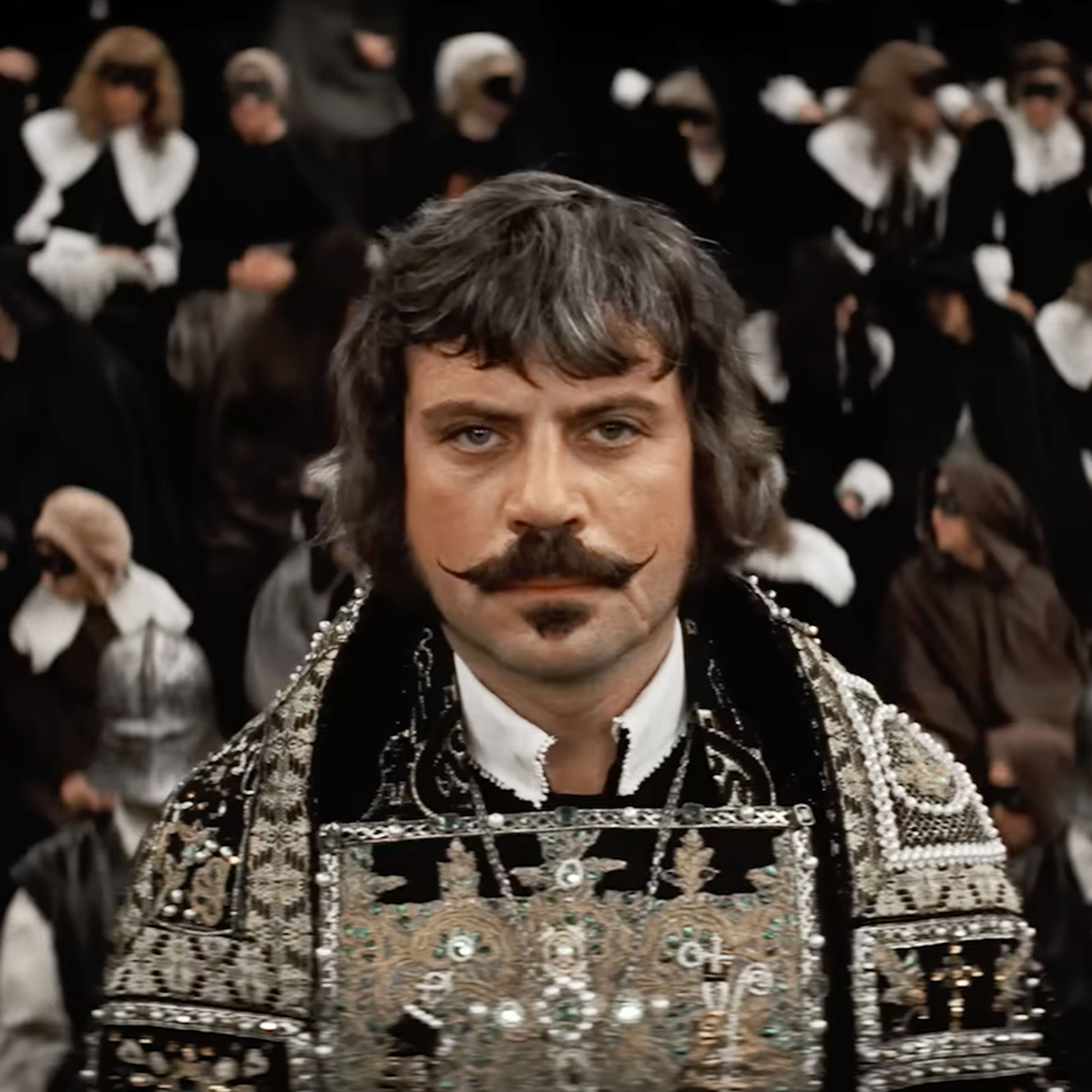
Among modern studies tending to support the erotogenetic theory is Aldous Huxley’s account of witch-hunting in seventeenth-century France, upon which Ken Russell (of Women in Love, The Music Lovers and other splashy films) has based his new, almost unbearably sadistic The Devils. The true story concerns one Father Grandier, a libertine priest who functioned both as spiritual leader (and defender) of the walled city of Loudun and as the object of many unrequited and nearly as many requited love affairs with local maidens. Loudun’s fortifications posed a threat to the kingly hegemony which Cardinal Richelieu made it his business to advance. On testimony of the hunchbacked young superior of Loudun’s order of nuns, Sister Jeanne, who desired Grandier and hysterically resented his antinomian marriage (at which he himself officiated) to a girl who had first considered entering the nunnery, the sensual priest was tried for witchcraft, broken and burned alive at the stake. The fabricated charge against Grandier was diabolical possession; the real cause was Richelieu’s plot to tear down Loudun’s walls and lay open the city to royal control.



Comments