Stealing Home, by Philip F. O’Connor (Knopf, 308 pp., $8.95).
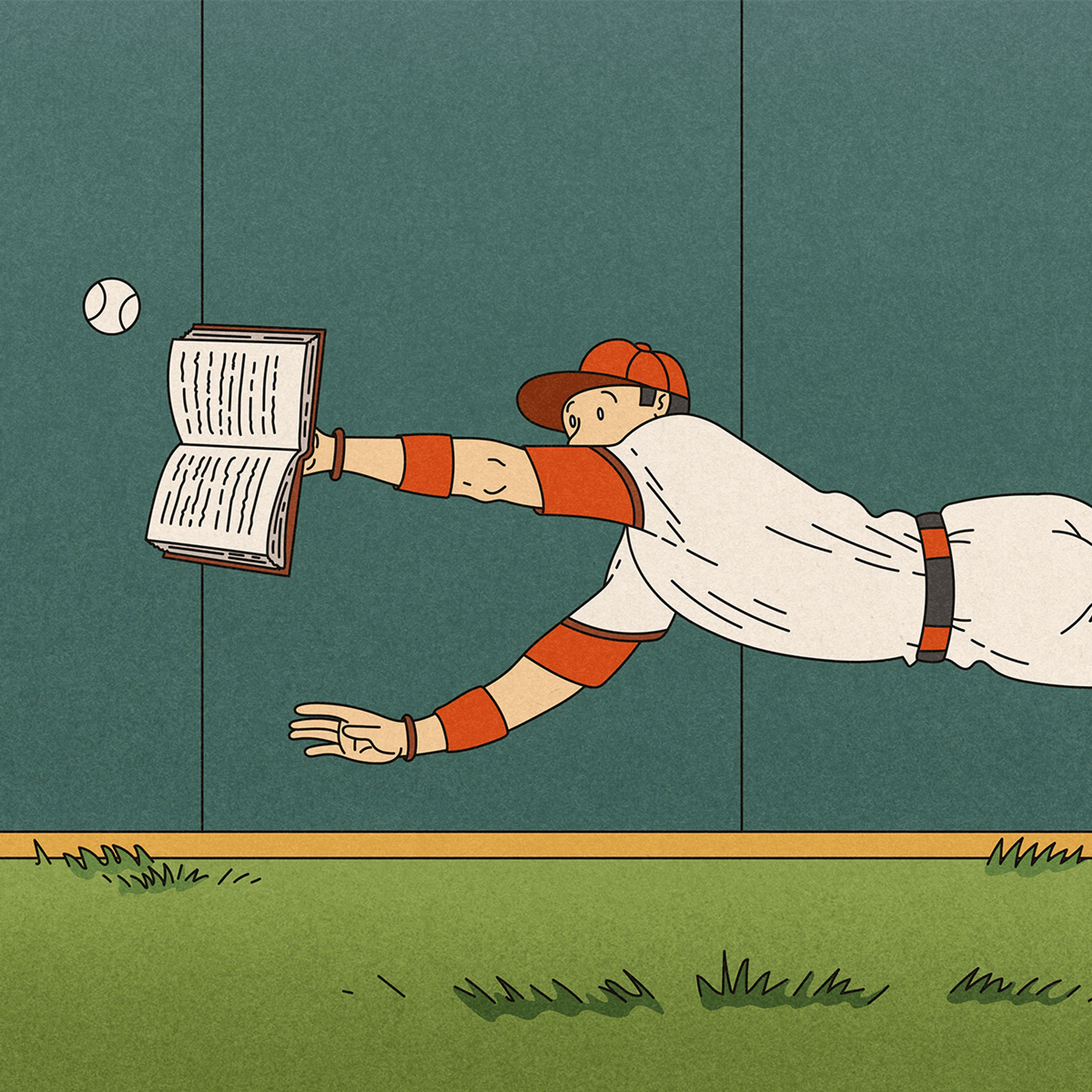
Philip F. O’Connor’s Stealing Home is not the baseball novel for readers who want Ring Lardner and Mark Harris in their lineup, who want all of the game’s gritty pageantry handled with a touch as sure as a well-oiled Rawlings. In fact, Stealing Home is hardly a baseball novel at all. Behind the idiomatic double play of the title looms the ugly and by now familiar sight of the splintering suburban household. A home, a family, is falling apart. As a novel about the vague dissatisfactions and deprivations of contemporary family life, Stealing Home successfully catches the anxious inertia that can beset even the most domestically oriented couples. But there is another side to the book—baseball—and it occupies too much of the narrative surface to be easily shunted off to the sidelines. With well over half its action detailing the practice sessions and play-by-play of a championship season, Stealing Home reads as though it were trying to stretch a theme into a genre. The championship team is Gray’s Cleaners, a motley crew of uncooperative 12-and 13-y ear-olds that finished dead last the year before in the Centerville, Ohio Pee Wee League. The manager is Benjamin Dunne, unassuming owner of a local bookstore where T-shirts outsell his favorite authors. Through baseball, Dunne hopes to get closer to his 12-year-old son, Bobo. He also sees the thankless job as an opportunity to take charge of a life that seems to be sliding imperceptibly out of his control. Dunne hopes to find in baseball the fulfillment he misses in family life because the game so readily supplies its fans with a choreography and vocabulary for all sorts of human situations. Baseball metaphors obviously come easy and can be quickly played out. By the end of the novel, Dunne has become so obsessive about winning that he reverses the old saw: “For me, now, it doesn’t seem to matter how you play the game, but whether you win or lose.” Baseball helps him make it through a season but, like all simulations, it takes him only so far. It’s like life, and it isn’t. Stopped at a traffic light after the big game, characteristically poised between possibilities, he finally confronts the limits of his metaphor: “The game has ended; he has seen it through. Elsewhere nothing has ended.” If baseball doesn’t help solve any of Dunne’s problems, it does even less for O’Connor’s first novel.



Comments