The Scene—Reports on Post-Modern Art, by Calvin Tomkins (Viking, 264 pp., $12.50).
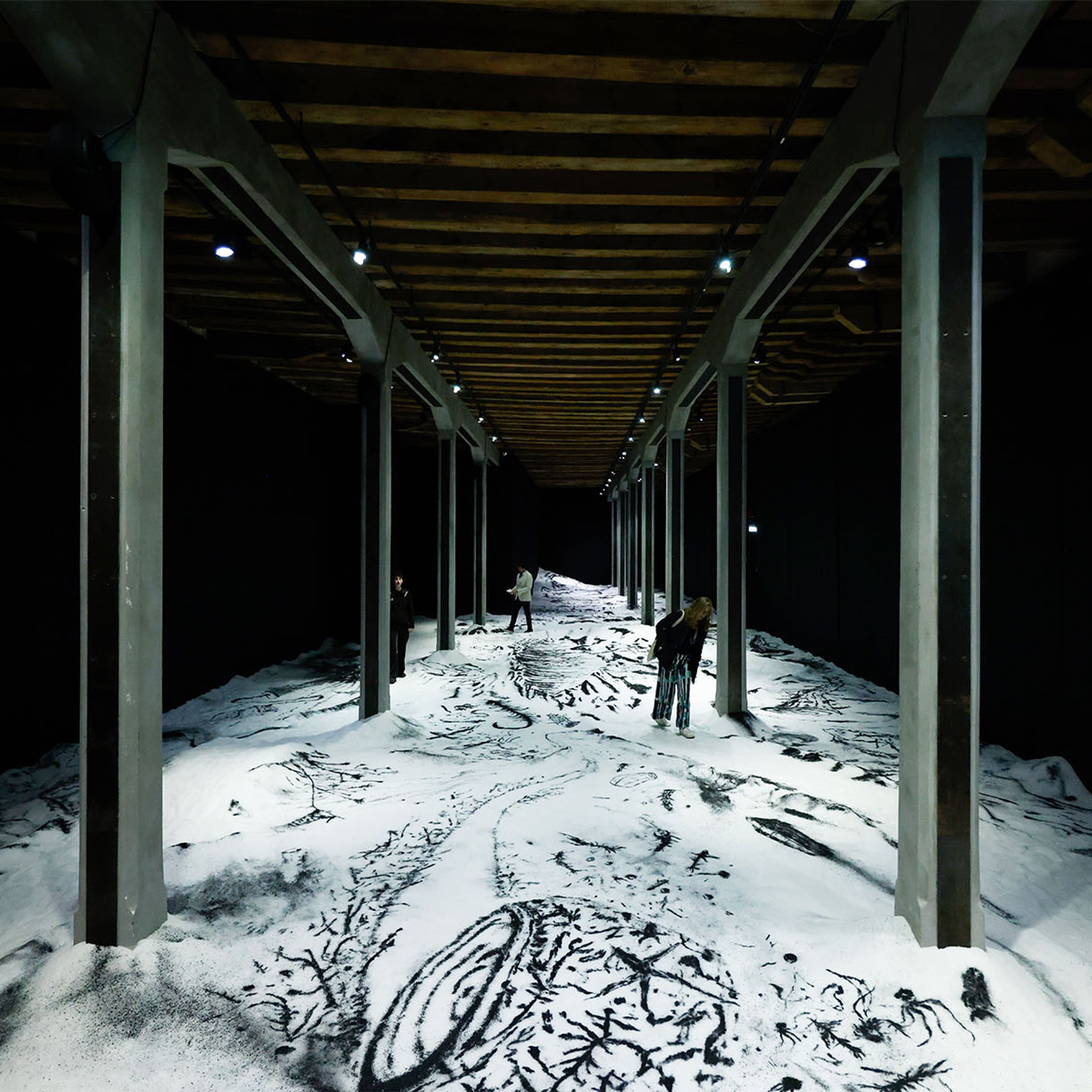
Here’s a test for with-it-ness. Identify the following: Henry Geldzahler. EAT. Jonas Mekas. Nam June Paik. Earthworks. The Life and Times of Joseph Stalin. Give up? Geldzahler is the curator of Contemporary Art at New York’s Metropolitan Museum who, in 1974, drew upon himself the wrath of that half of the art world not represented in his highly idiosyncratic presentation of New York Painting and Sculpture, 1940-1970. EAT is the acronym for Experiments in Art and Technology, a grouping of avant-garde artists, engineers, and electronics experts whose greatest common enterprise was the Pepsi-Cola Pavilion at the 1970 Osaka World’s Fair: a total “environment”— mirror-lined, fog-shrouded, laser-lighted— that set Pepsi back over $2.2 million for the building alone. Jonas Mekas is the Lithuanian-born den-daddy of avant-garde filmmakers. Nam June Paik is the Korean-born ditto of video artists. Earthworks are designs chopped out of frozen ponds, boulders dynamited out of mountains, holes or tracks gouged out of deserts, or over-sized mud pies dredged up out of lakes by artists who, according to one of them, are trying to make “a jump beyond style.” The Life and Times of Joseph Stalin is Robert Wilson’s seven-act play with a cast of 144, which had its American premiere at the Brooklyn Academy of Music in 1974, running time 12 hours (it started at 7 p.m. and ended, honest to God, at 7 a.m.). Calvin Tomkins, a New Yorker writer who cheerfully subscribes to the dictum that “a work of art is whatever the artist says it is,” here reports on these and other notable art happenings in the late Sixties and early Seventies. With typical New Yorker intrepidity he braved mountain and desert to see many of the Earthworks, and actually stayed awake through Wilson’s Gesamtkunstwerk. Mr. Tomkins plays it straight, passing no judgments, aesthetic or environmental—but when he describes a project (never carried out, fortunately) for carving a section of granite out of the Swiss Alps, I find myself wondering if, public-relations-wise, the Alaska pipeline designers shouldn’t have presented their project as an Earthwork rather than as a national necessity— for in the name of art, as Tomkins makes clear, anything not only goes, it’s subsidized.


Comments