When Martial Bourdin moved through the streets of London on February 15, 1894, he planned to strike a blow against the order of the world — or so it would seem, judging from his decision to bomb the Royal Observatory in Greenwich Park. The truth is that nobody knows exactly what the 26-year-old Frenchman intended. Rather than blowing up his apparent target, Bourdin managed only to blow up himself. Investigators collected his bone fragments from a path that led to the famous hilltop building, which was unharmed.
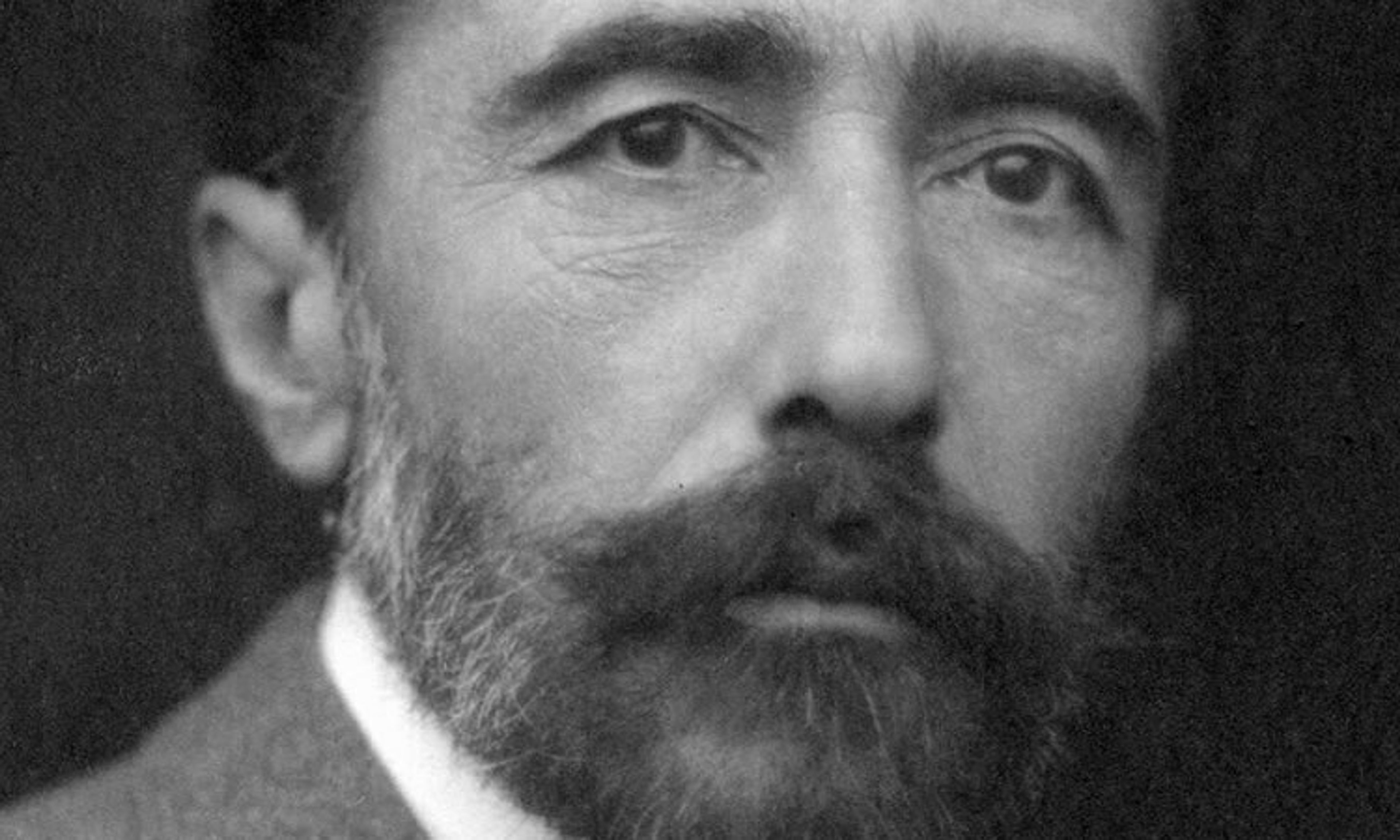
A dozen years later, Joseph Conrad used the incident as an inspiration for his book The Secret Agent. Just as Bourdin had become the sole casualty in what may have been the first act of international terrorism on British soil, Conrad wrote what may be the first great novel of global terrorism, in a genre that today clogs the bestseller lists with titles by the likes of Daniel Silva and Brad Thor. Although The Secret Agent focuses on the ideas and activities of anarchists and says nothing at all about Islam or Muslims, fascination with it has surged in our new age of violent extremism, as readers look for literature that might help explain the madness of the modern world — and its story reached American televisions in September, when Acorn TV began streaming a BBC production that debuted in the United Kingdom earlier this year.











Comments