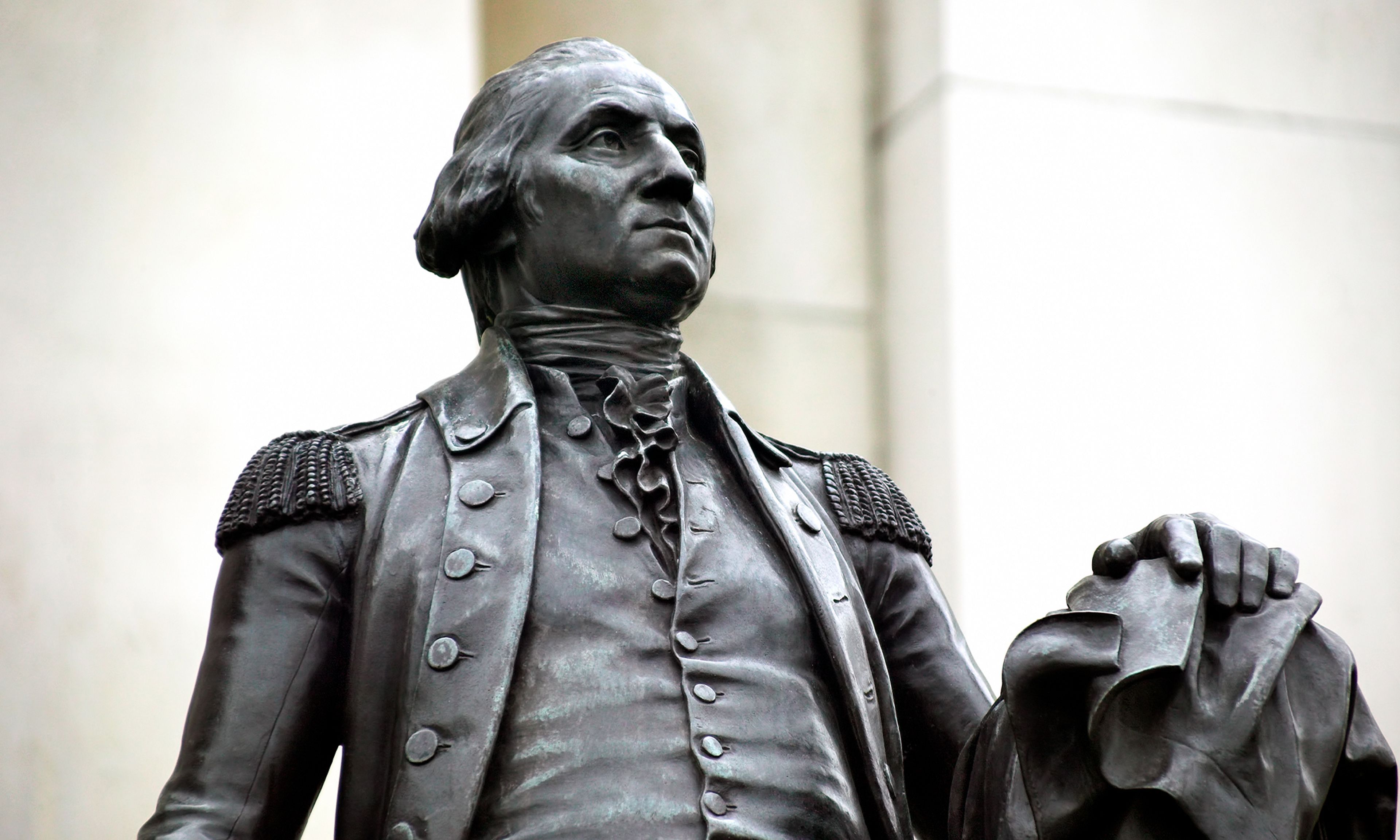
In Religious Freedom: A Conservative Primer (Eerdmans, 288 pp., $28.99), John D. Wilsey, a professor of church history at the Southern Baptist Theological Seminary, fruitfully examines the complex interplay of “America’s two spirits,” liberty and religion. Wilsey sees threats to the historical harmony between the two coming from the progressive left and the post-liberal right, and perhaps most of all from the apathy or aversion Americans increasingly feel toward their own tradition. Wilsey makes a case, aimed particularly at younger generations, for embracing a Burkean and distinctively American conservatism, which he describes as “evolutionary, dispositional, humanistic, and aspirational.” He calls it “measured” conservatism, in opposition to extreme and reactionary strains past and present. Wilsey’s wise book is a highly readable introduction to the figures he canvasses — from Augustine to the Founders, Tocqueville, Lincoln, Russell Kirk, and the relatively neglected mid-century poet and historian Peter Viereck. It is also a plea of sorts, for conservatives of all stripes to put less faith in the exercise of political power and not to imagine that the American order should be jettisoned and rebuilt. Conservatives should, after all, “accept the world as it is, but with hope.”
Friends Until the End: Edmund Burke and Charles Fox in the Age of Revolution (Norton, 496 pp., $45), by James Grant, is a lucid and lively biography of two of Britain’s greatest orators. Grant traces the arc of their friendship and political alliance over a tumultuous quarter century, from their shared support of the American colonists in the years leading up to the revolution to their bitter and permanent break over the French Revolution, which Burke famously abhorred and Fox, a Francophile, trusted would be “glorious.” (Grant recounts that Fox wept as Burke, in an exchange before the House of Commons, declared their friendship at an end.) Grant, an accomplished financial journalist, pays particular attention to the economic forces influencing the fates of nations and individuals. Fox and Burke were united by not only rhetorical prowess, a love of literature, and common political causes but also their perpetual indebtedness. (Even George III “felt the constraints of earthly wealth.”) But what ultimately captivates Grant about both men is their sparkling facility with words, displayed in myriad public debates, speeches, letters, and, in Burke’s case, published works of great lasting value. The reader will be likewise captivated.










Comments