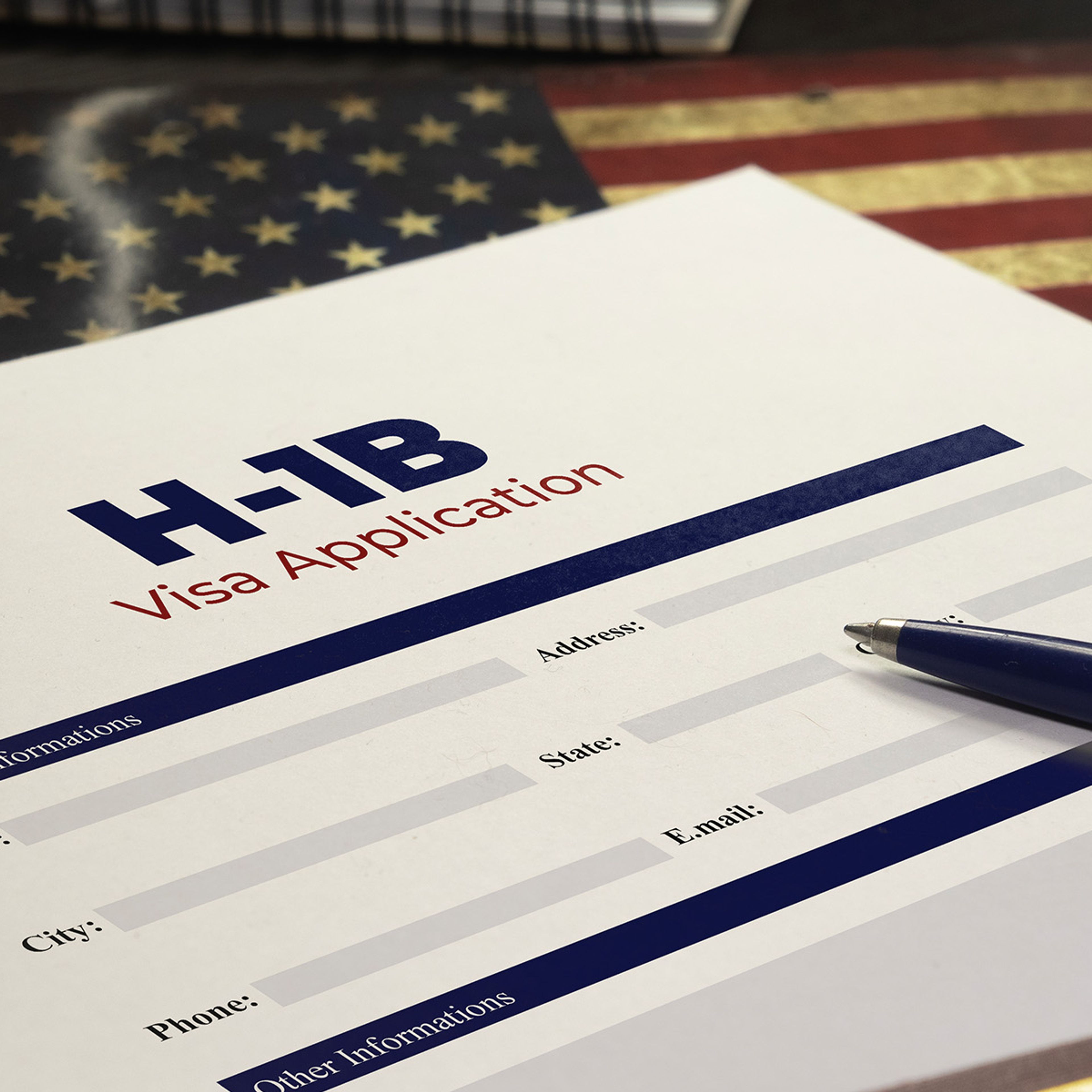
A BILL to substantially increase the number of foreign high-tech workers admitted under temporary visas has stumbled in Congress, mainly because of divisions among Republicans and a strong veto threat from the White House. The House leadership postponed until after the August recess a vote on the bill to increase the number of “H-1B” visas for computer programmers and other skilled workers by almost 200,000 over five years, from the current 65,000 a year to 115,000 by 2002. And the bill may simply fade away because, in the words of one House Republican staffer, “How many people want to vote for 190,000 new foreign workers two months before an election?”
But even if it doesn’t become law this year, the implicit model of immigration it embodies will be with us for some time. Under this new dispensation, “nonimmigrants” (the technical term for those on temporary visas) are admitted for long periods of time to work for specific employers, without the ability to change the terms of employment or switch employers. Though most of today’s immigrants are able to participate freely in the labor market, the number of captive foreign workers has been growing steadily. In 1981, only 44,770 temporary workers and trainees were admitted to the United States; by 1990, the number had grown to 139,587, and by 1996, 227,440. The total number of such workers present at any one time is in the hundreds of thousands (both in the visa categories mentioned above and in others), and proposals like the H-1B bill would increase that number dramatically.




Comments