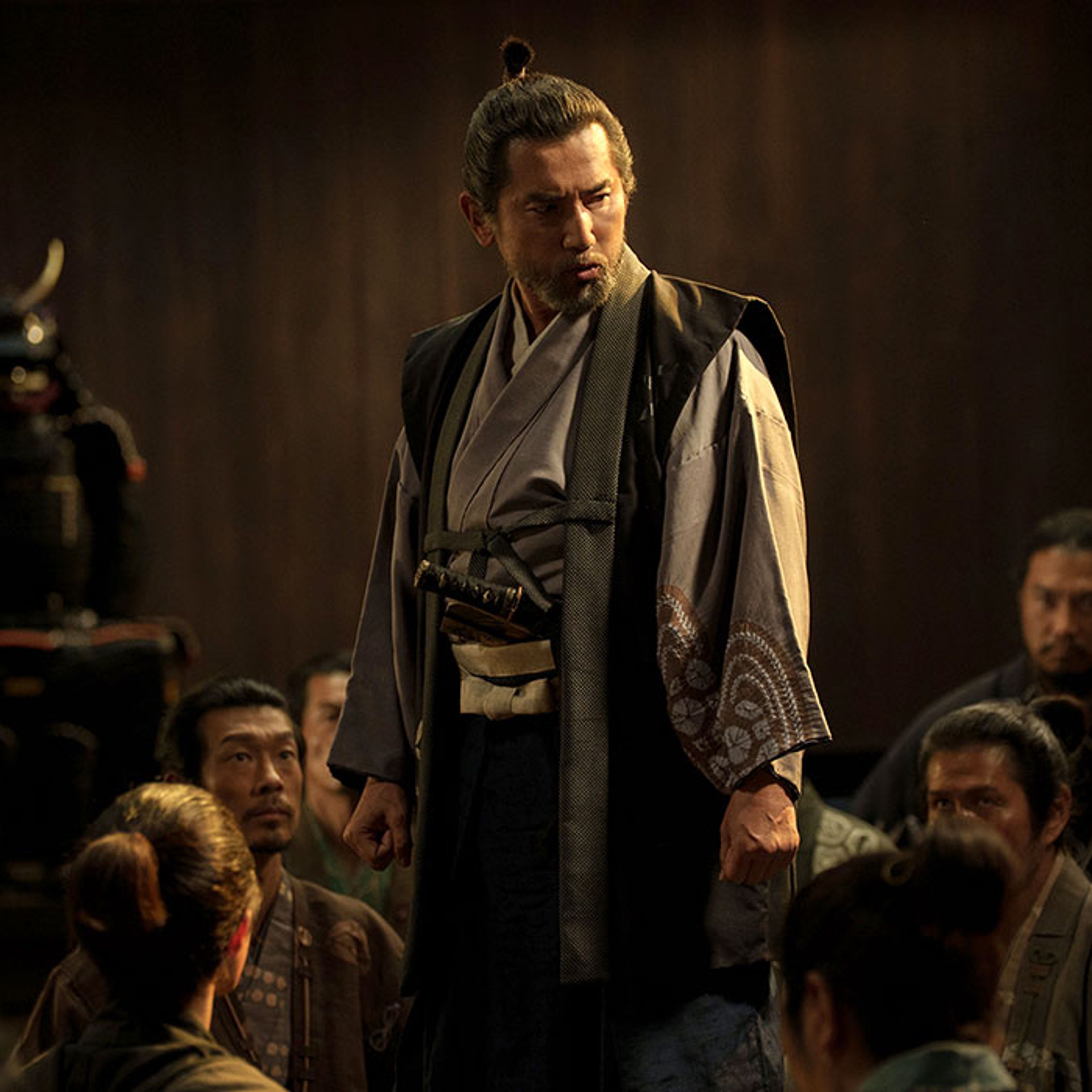
As every American knows, Japan produces the world’s porniest porn, best TVs and cameras, most suicide-prone writers and endless horror flicks and bloody epics about medieval warriors lopping off one another’s heads. Determined film-goers here have almost surely fidgeted through at least one samurai flick, sworn off them and yet returned, grumbling, to see just one more, then declared: never again. Having dragooned various friends screaming and kicking to movie houses to marvel at the latest great seventeenth-century tale, starring, as always, Toshiro Mifune gussied up in High Daimyo Drag, I feel rather like the little boy who cried wolf once too often. But here goes: Please give Japanese film two more chances; namely, director Yasujiro Ozu’s Late Spring, made in 1949, and his Tokyo Story of 1953, both on these shores for the first time.
Ozu died in 1962, his 35 years of film-making highly acclaimed in Japan and Europe, but unknown in America. Both films now making the rounds here employ the device of mundane domestic relationships to express Ozu’s concern with the timeless theme of human affections coming unraveled over time. Both star Chishu Ryu, who appeared in all but two of Ozu’s 54 films, as an old man gradually deprived of the comforts of family. And both juxtapose, as much of the finest Japanese art has for ages, images of human frailty with majestic scenes of nature’s bounty.


Comments