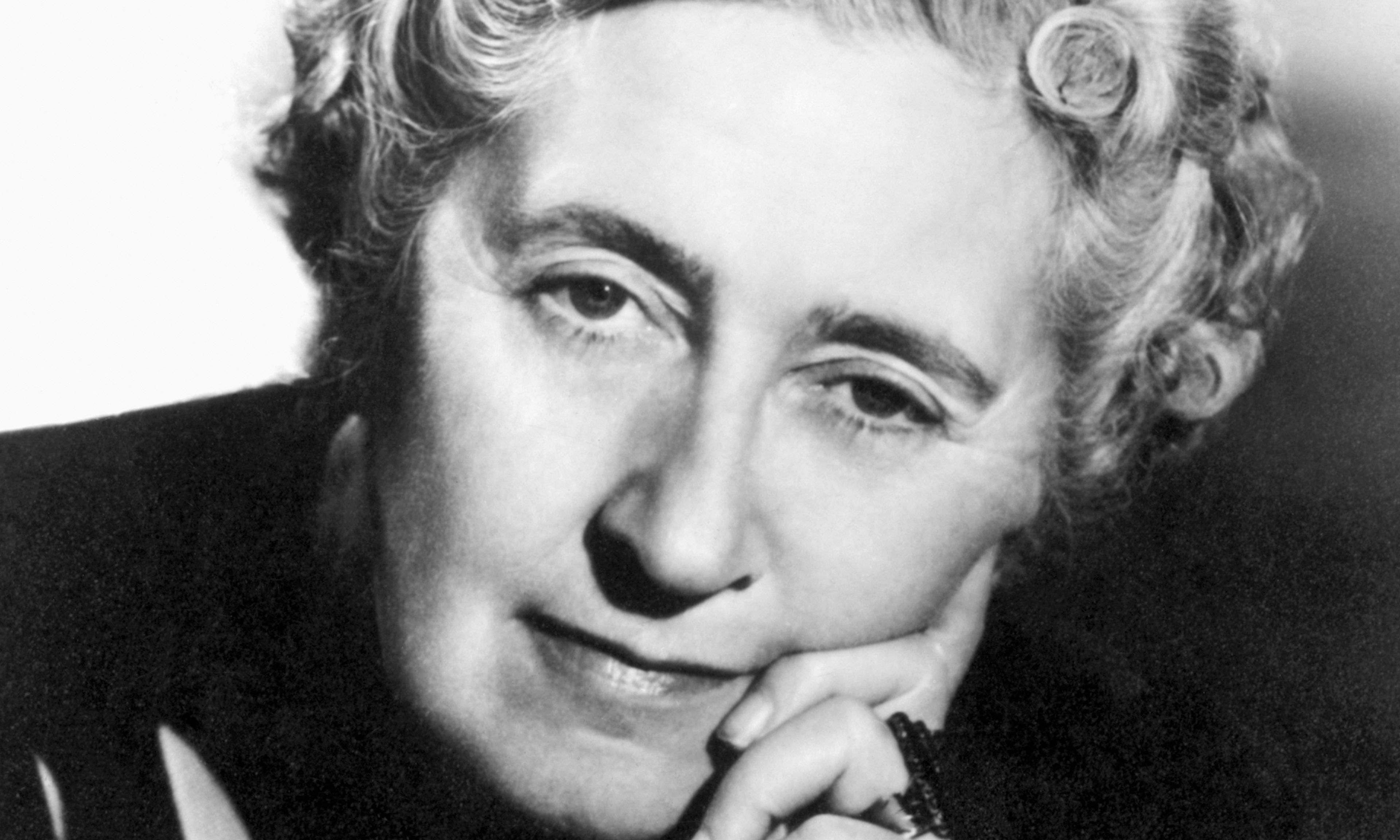
Only the Bible and the works of William Shakespeare have sold more copies than the mysteries of Agatha Christie, it is often said. As theater critic Nicholas de Jongh put it when Christie died in January 1976, “Her career has no parallels.” At least when it comes to mystery novelists, this is surely the case. Who else can claim the longest-running play of all time (The Mousetrap, which has run on the West End since November 1952) and characters who remain household names decades after their author’s death? I was therefore pleased to learn that Theodore Dalrymple, one of the living authors I most appreciate, had written a book about Christie’s craft.
Dalrymple begins by noting that many writers, particularly literary critics, have tended to dismiss summarily Christie’s work. In their estimation, she is entirely devoid of profundity. The critic Edmund Wilson went so far as to write, in 1944, that “her writing is of a mawkishness and banality which seem to me literally impossible to read.” Christie herself considered her novels to be “middlebrow,” but Dalrymple rushes to her defense and reminds us that an author can be a bestseller as well as a writer of artistic merit. Contrary to her critics — many of whom, Dalrymple suggests, might have been motivated more by elitism than fair-mindedness — Dalrymple makes the case that Christie’s novels are replete with insights regarding psychology, human nature, and the period in which she was writing.





Comments